
A French style sofa is less about one specific silhouette and more about a set of design cues, curved arms, tapered legs, and upholstery that looks lived-in rather than showroom-perfect, that you can adapt to a 500-square-foot apartment or a sprawling formal living room. The key is deciding which cues to prioritize, because a carved walnut frame demands a different budget and maintenance routine than a slipcovered linen version. Below are six distinct interpretations, each matched to a specific room size, lifestyle, and price point so you can pick the one that fits your actual floor plan.
Key takeaways
Curves and carving define the French sofa’s silhouette, so prioritize a curved back or rolled arms over ornate trim if you want the look with less upkeep. Formal vs. Updated comes down to fabric: choose linen or cotton for relaxed everyday living, or velvet and silk-blend for a more polished, dressier room. Scale your sofa to the room by leaving 18–24 inches of walkway clearance and matching seat depth (22–24 inches) to your height for real comfort. Budget and rental routes work best with slipcovers and secondhand finds, while a solid hardwood frame with eight-way hand-tied springs is the long-term investment that survives a decade of use.
Curves and Carved Details: The Signature Frame
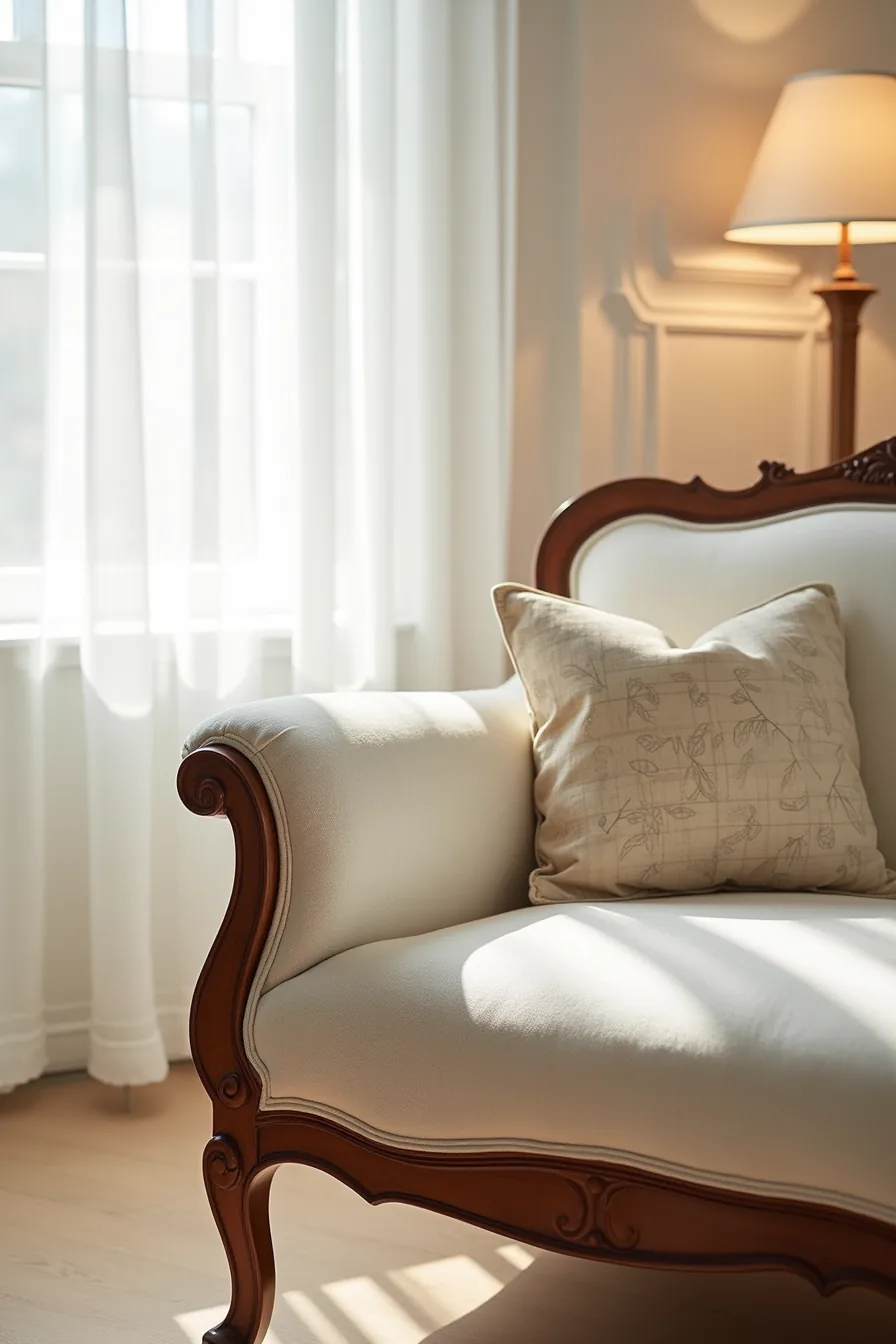
The quickest way to identify a French style sofa is the frame itself. Look for a serpentine back that bows outward in a gentle S-curve, paired with rolled arms that tuck inward rather than standing straight. On a carved wooden frame, typically walnut or beech, you’ll see hand-chiseled floral motifs or acanthus leaves running along the front rail and arm fronts, with exposed wood joints that signal quality joinery rather than hidden staples.
This ornamental construction suits formal living rooms, entryway seating, or any space where the sofa sits against a wall and can be appreciated from three angles. The carved back demands clearance: place it at least 4-6 inches from the wall so the silhouette casts its own shadow. A single decorative pillow resting against the carved back is enough, the frame is the statement, so avoid layering multiple cushions that hide the woodwork.
Skip this style if you’ve toddlers or boisterous pets; carved edges and protruding scrolls are vulnerable to impact damage and are difficult to repair affordably.
Classic vs Updated French: Choosing Your Aesthetic
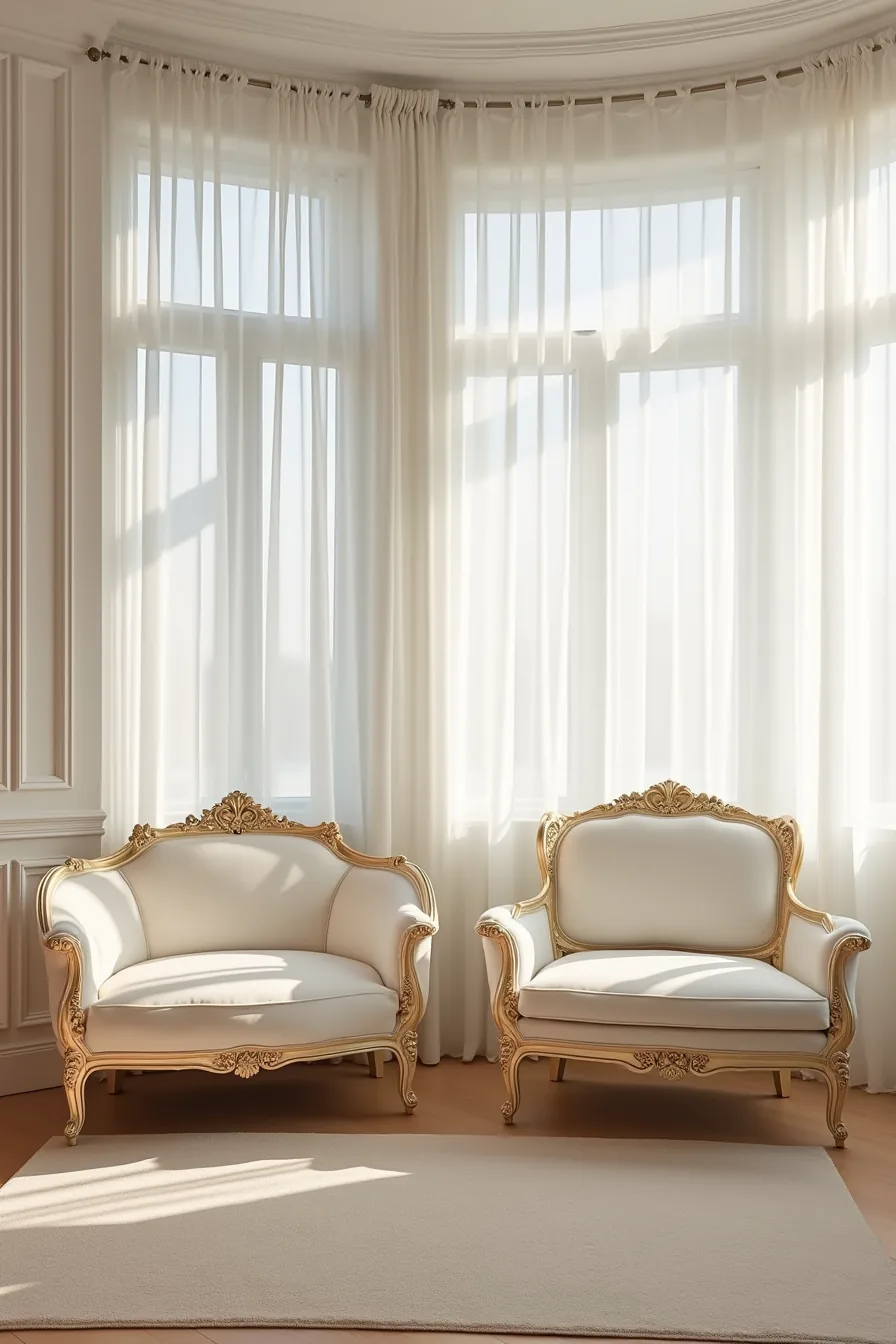
The gulf between a Louis XVI piece and a modern French sofa comes down to how much of the frame does the talking. On the left, an ornately carved sofa with a gilded frame announces itself through every scroll, rosette, and fluted leg, this is furniture as sculpture, demanding high ceilings and ample square footage to breathe. It suits traditionalists who treat the sofa as a focal point and entertain formally, but be ready for the upkeep: gilt surfaces scratch easily and carved crevices collect dust that requires a soft brush weekly.
On the right, the minimalist sofa keeps the same graceful proportions, the curved back and tapered legs remain, but strips away ornament in favor of a simple wooden frame with clean lines and neutral cushions. This updated interpretation works in apartments, coastal homes, or any room where you want French elegance without the museum vibe. Choose this route if you plan to change pillows seasonally or want the sofa to recede rather than dominate.
The deciding question: do you want people to notice the furniture first, or the conversation?
Formal Made Relaxed: Fabric and Color Choices
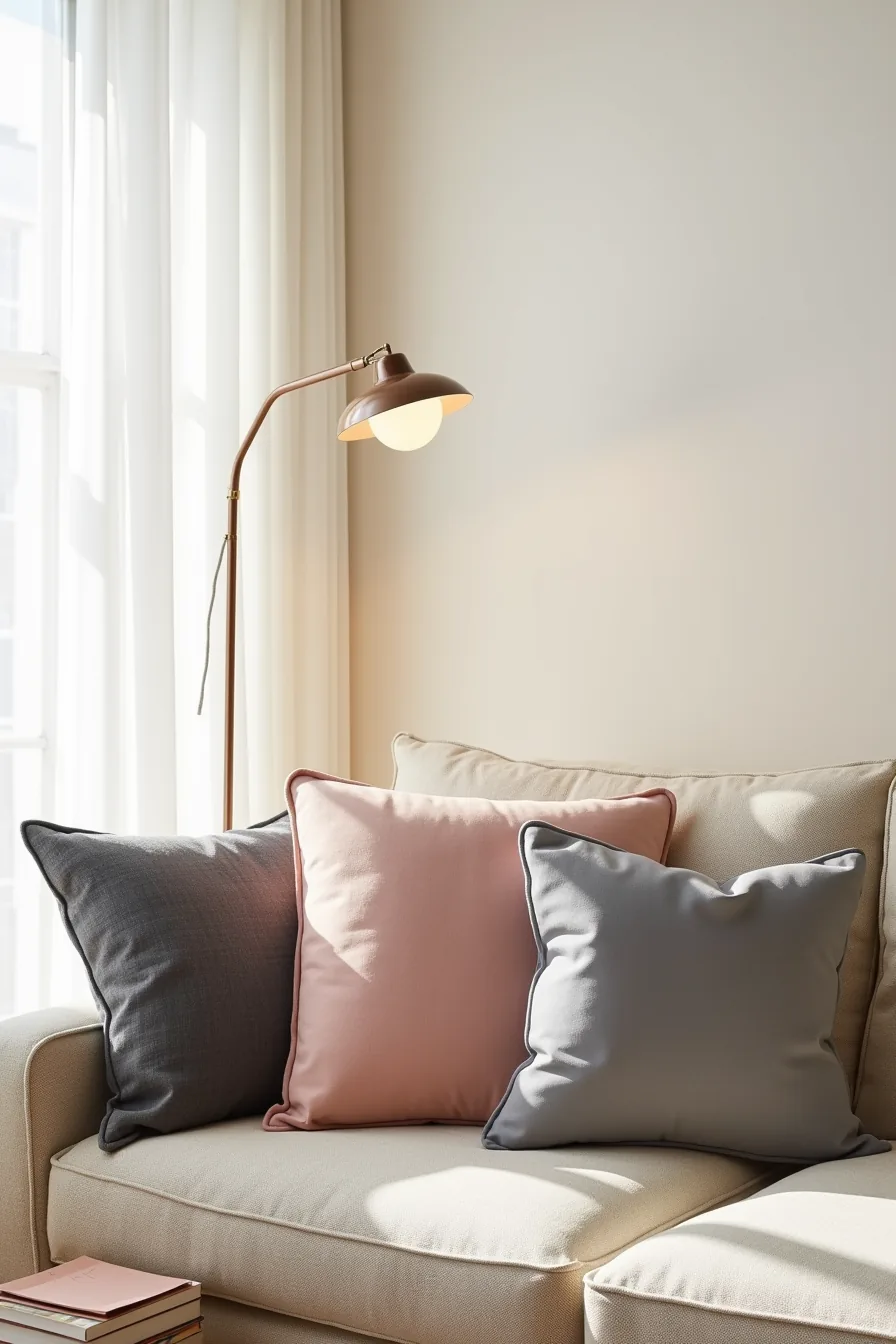
Fabric does more to set a French sofa’s mood than any other single decision. A charcoal linen cushion reads casual and grounded, linen’s natural slubs and breathable weave soften the formality of a carved frame, making it ideal for a sunny living room or a family space where you want elegance without fussiness. Blush velvet flips the script: its short pile catches light and deepens color as you move, injecting warmth and a touch of romance.
It suits a bedroom or a reading nook, but expect it to show crush marks and require occasional steaming, that’s part of its charm, not a defect.
For high-traffic households, gray performance fabric is the pragmatic middle ground. It mimics the texture of wool or linen but resists spills and fading, handling pets or daily use far better than either natural option. When you pair a performance fabric cushion with a classic frame, you get French Style Sofas for an Effortlessly Romantic Room without the anxiety of permanent stains.
The swatch card leaning against the cushions shows how these three options differ in weight and hand-feel, run your fingers over each before committing, because the same sofa silhouette transforms completely based on what covers it.
Scaling French Style to Your Room Size
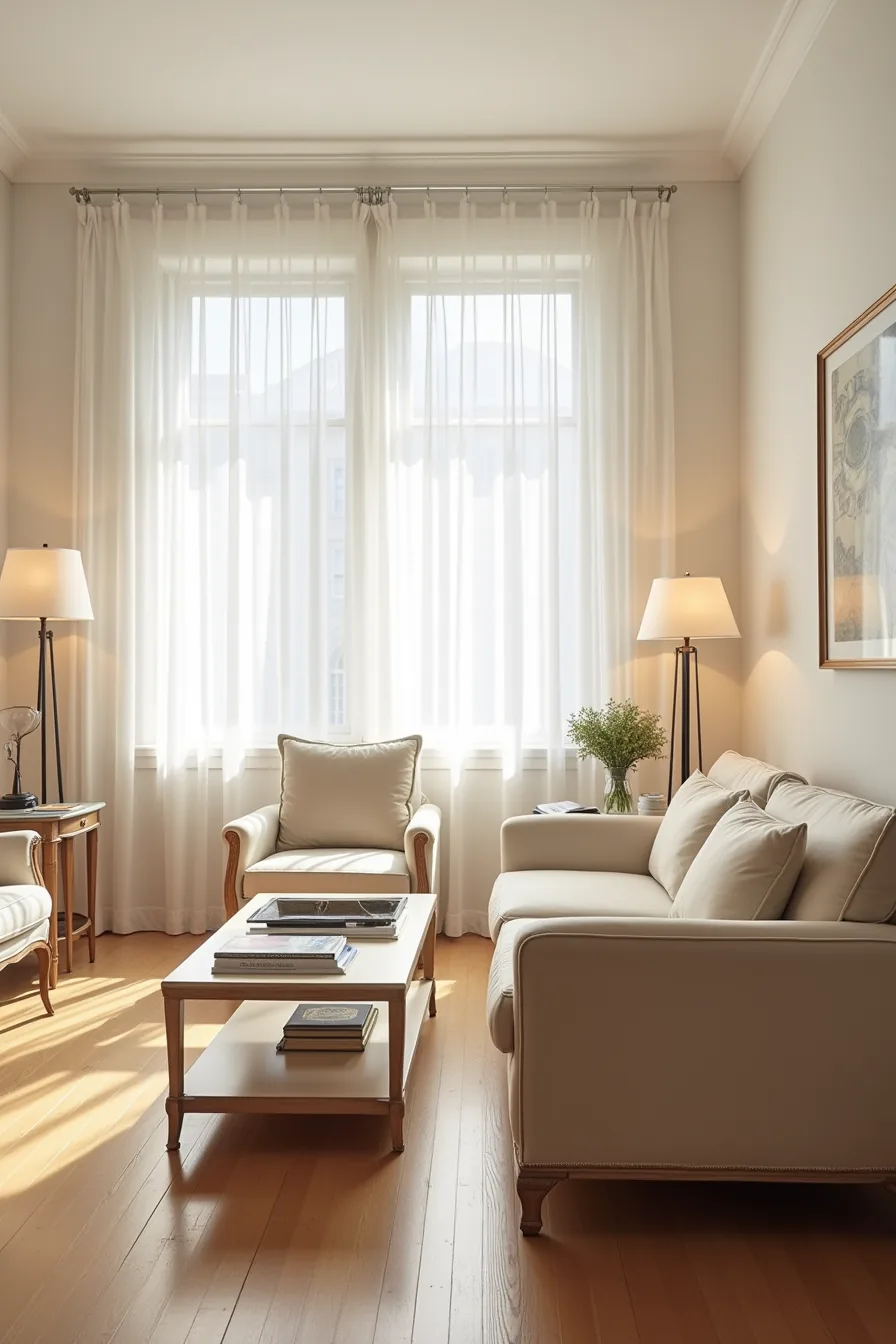
Proportion determines whether a French sofa reads as the room’s anchor or its mistake. For a small studio like the one you see here, keep the sofa’s width between 60 and 72 inches and its depth under 34 inches. That compact scale leaves enough floor space for clear walking paths on three sides, preventing that boxed-in feeling that oversized furniture creates in tight layouts.
Placement matters as much as dimensions. Positioning the compact sofa flat against the longest wall opens the center of the room for movement, while a slim coffee table and two accent chairs frame the seating zone without blocking sightlines. In a medium living room, scale up to a 75–85 inch sofa and float it slightly off the wall to create a visual corridor behind it.
For large spaces, a 90–100 inch piece works best anchored perpendicular to a fireplace or window, with chairs arranged to define two distinct conversation areas rather than leaving the sofa stranded in the middle.
Budget, Rental, and Investment Routes
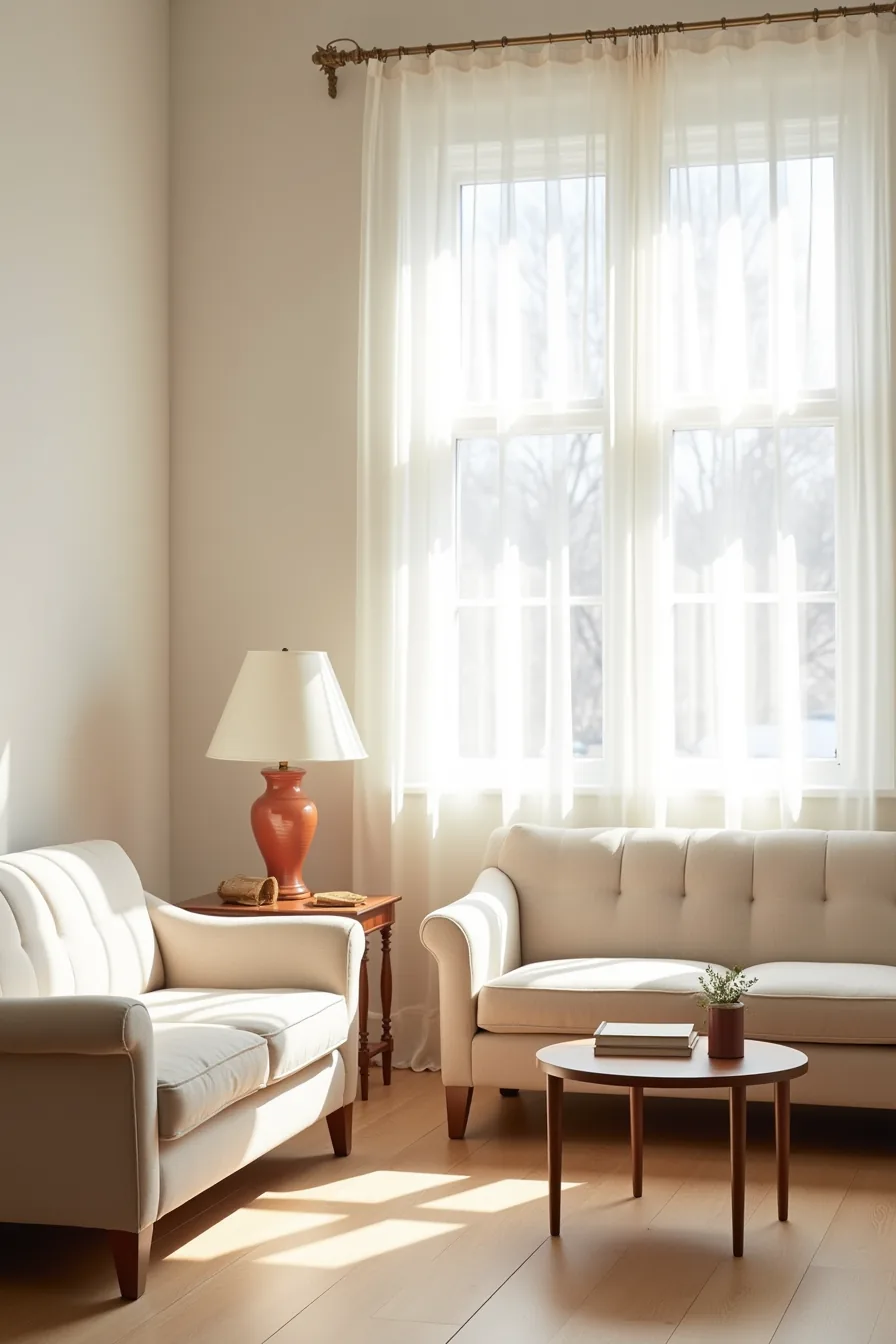
Three distinct paths lead to a French style sofa, and each suits a different stage of homeownership. The budget route starts around $600–$1,200 for a new upholstered frame with a carved wood base and linen-blend fabric. These pieces typically use kiln-dried hardwood in the frame core but skip the hand-tied spring system, opting instead for sinuous coils that compress noticeably within five to eight years of daily use.
Choose this route if you expect to move within that timeframe or want to test whether the high-back, low-seat proportions actually suit your lounging habits before committing to something permanent.
The renter-friendly alternative sits in the $1,200–$2,500 range and pairs a removable-leg design with a slipcovered seat that you can unzip and wash in a standard machine. Detachable legs reduce the footprint to a flat slab that fits through narrow stairwells and into compact elevators, while the washable cover protects against the unknown wear of a transient space. This works best for apartments where freight elevators are small or leases run shorter than three years.
The investment route begins around $3,500 and climbs steeply for antique frames with hand-carved beechwood, eight-way hand-tied springs, and down-blend cushions. A well-constructed piece from a reputable atelier lasts 20–30 years with proper support, and the patina that develops on aged wood actually increases resale value rather than diminishing it. Budget roughly $200–$400 annually for professional reupholstery every decade and spring tightening when you notice sagging, maintenance costs that the lower-priced routes avoid but also never reward you for.
Maintenance, Placement, and Long-Term Care
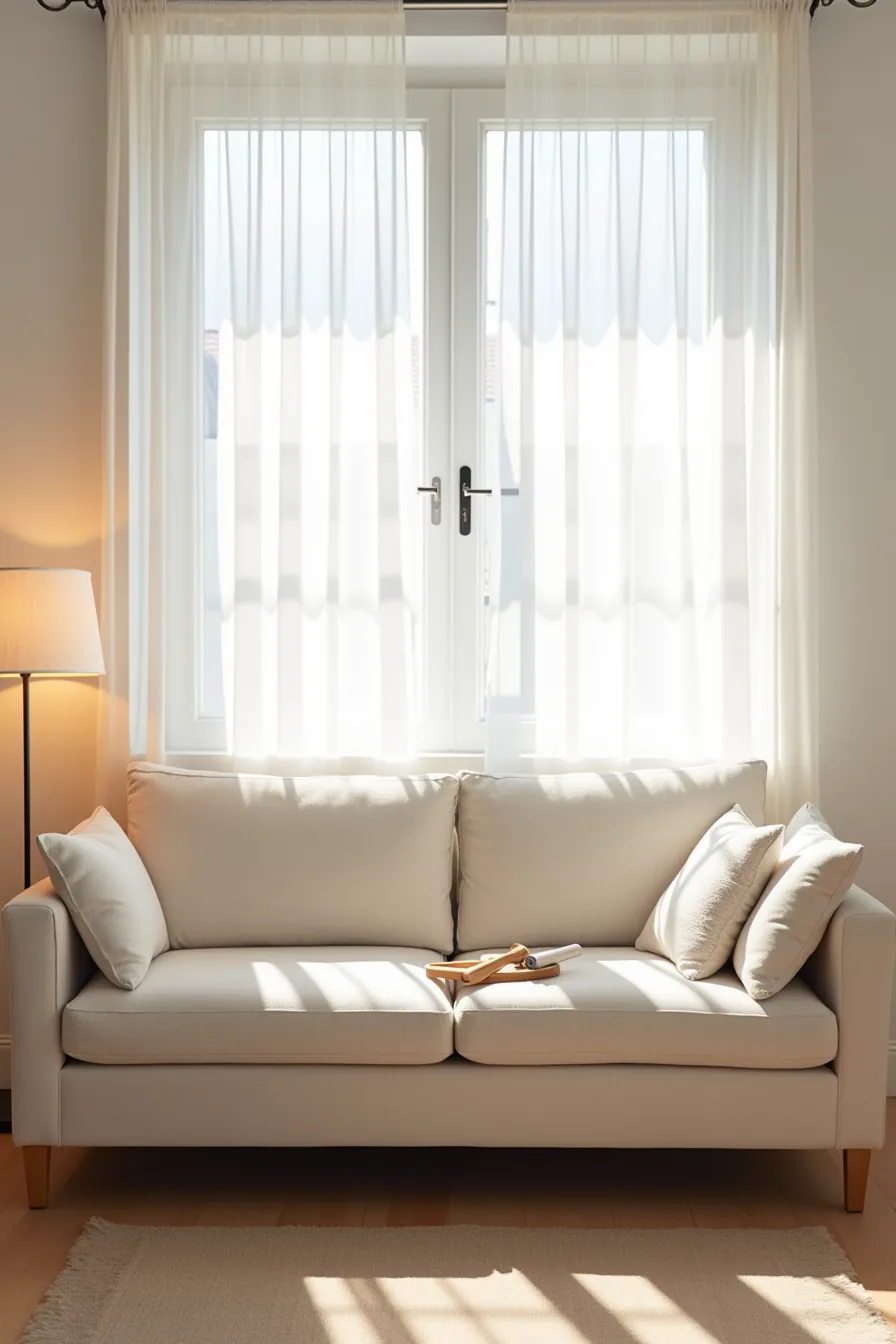
A cream linen sofa perpendicular to a window, the exact setup with a sheer curtain filtering direct light, protects your upholstery from the ultraviolet fade that bleaches fabric within two to three seasons of sustained exposure. Position any French style sofa this way rather than parallel to an unshaded south-facing pane, and rotate cushions weekly during the first month to distribute seat compression evenly.
Keep a lint roller and fabric brush on the arm rests, where you’ll reach them daily. Linen and cotton blends attract pet hair and dust visibly, so a two-minute brushing session every few days prevents particles from embedding into the weave where they accelerate abrasion. The wooden feet elevating this sofa create clear space underneath, run a vacuum with a crevice tool through that gap monthly to stop grit from grinding into the base finish.
Professional upholstery work becomes worth the cost when you notice seat sagging beyond a two-inch depression after standing, loose corner stitching, or springs that creak audibly. Addressing these issues early, typically within the first decade, costs $400–$800 and extends the frame’s life considerably. Waiting until fabric tears or webbing snaps turns a repair into a full rebuild that can exceed the sofa’s original price.
Your decision checklist
Before you buy, confirm four things: the seat depth matches how you actually sit (lounging needs 22–24 inches, dining requires 19–21), the frame uses kiln-dried hardwood rather than particleboard, the fabric withstands your daily reality, and the piece clears your doorways and stairwells by at least 2 inches. Measure your room’s longest wall and keep the sofa to two-thirds of that length.
Start your search with a tape measure in hand, not a color swatch. Measure your entry points first, then browse within your size constraint.
Frequently Asked Questions
What is the difference between a French sofa and a regular sofa?
A French sofa features exposed wooden frames, curved arms, and tapered legs, often with upholstered backs lower than standard sofas. Regular sofas prioritize deep cushions and blocky silhouettes, while French styles emphasize elegance, lighter visual weight, and refined proportions.
Can a French style sofa work in a small apartment?
Yes, if you choose a compact two-seater with slim arms and short legs. Look for widths around 55–65 inches and avoid deep seats. Pair it with a small coffee table to maintain clear walking paths.
How do I keep a French style sofa looking good with kids and pets?
Choose performance fabrics like Crypton or tightly woven linen blends with stain-resistant finishes. Remove cushions weekly to vacuum crumbs, and use washable throw covers on seats. Spot-clean spills immediately with mild soap and water, never rub.
Is a French style sofa worth the investment, or should I buy budget-friendly?
If you want longevity, invest in kiln-dried hardwood frames and eight-way hand-tied springs, these last 15–20 years. Budget options use particleboard and sinuous springs, lasting 3–5 years. For rentals or temporary homes, budget works; for permanent spaces, invest.