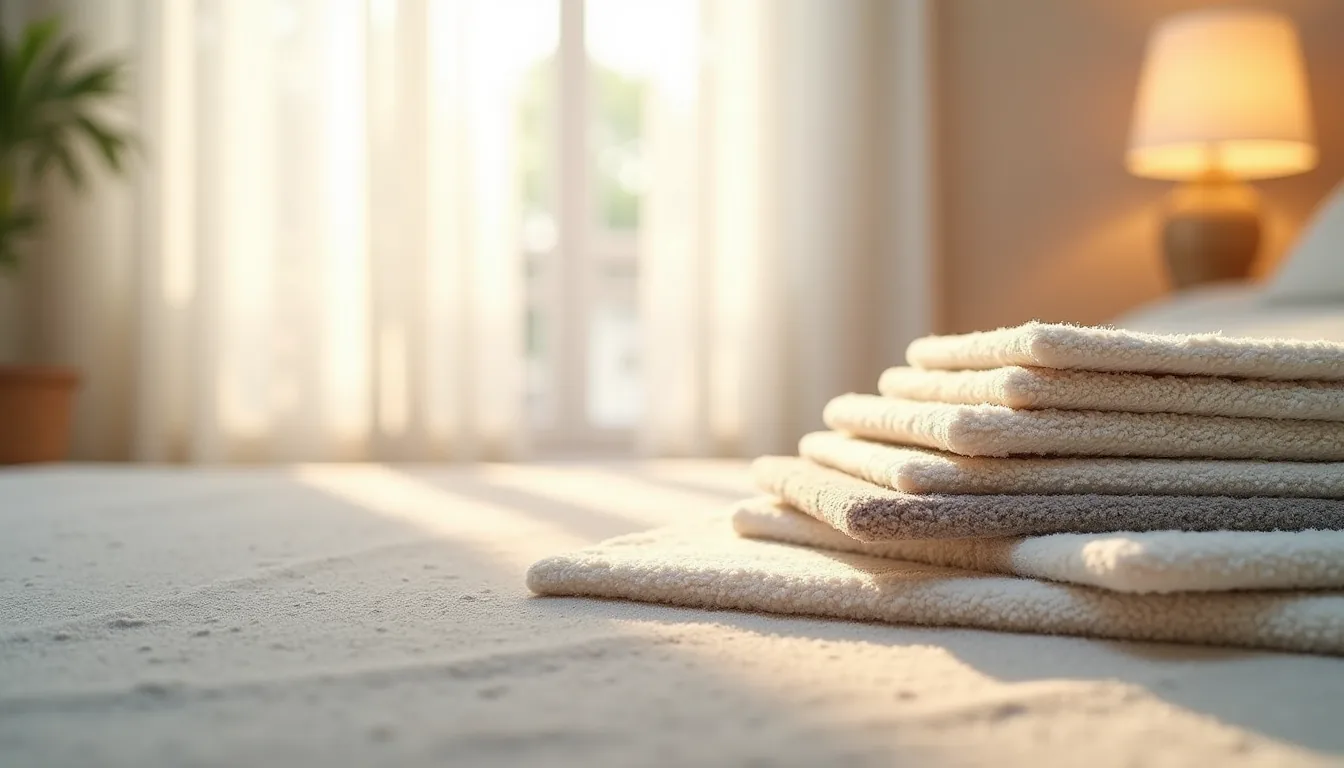

Luxury carpet texture isn’t a single look but a spectrum of pile heights, fiber blends, and finishing techniques that change how a room feels underfoot and sounds when you walk across it. Before you commit to a high-end feel, you need to match the texture to your lifestyle, room size, and maintenance tolerance. The right choice hinges on three variables: pile density, fiber type, and how the carpet is cut or looped, and getting those wrong turns a premium purchase into a costly regret.
Below are six distinct interpretations, each with the practical trade-offs you need to decide which one belongs in your home.
Key takeaways
- Plush carpets suit bedrooms best when pile height falls between 0.5 and 0.75 inches, but require vacuuming twice weekly to prevent matting.
- Low-pile textures (under 0.4 inches) outperform plush in hallways and living rooms, reducing visible footprints and extending lifespan by roughly 3-5 years.
- Sheen effects come from fiber cross-sections like trilobal nylon, not from added coatings, so check yarn composition before buying to avoid a slippery finish.
- Loop-pile carpets with a 1/8-inch loop height handle daily traffic in entryways and stairs, but skip them if you’ve pets with claws that snag loops.
Plush vs Low Pile: Understanding the Foundation
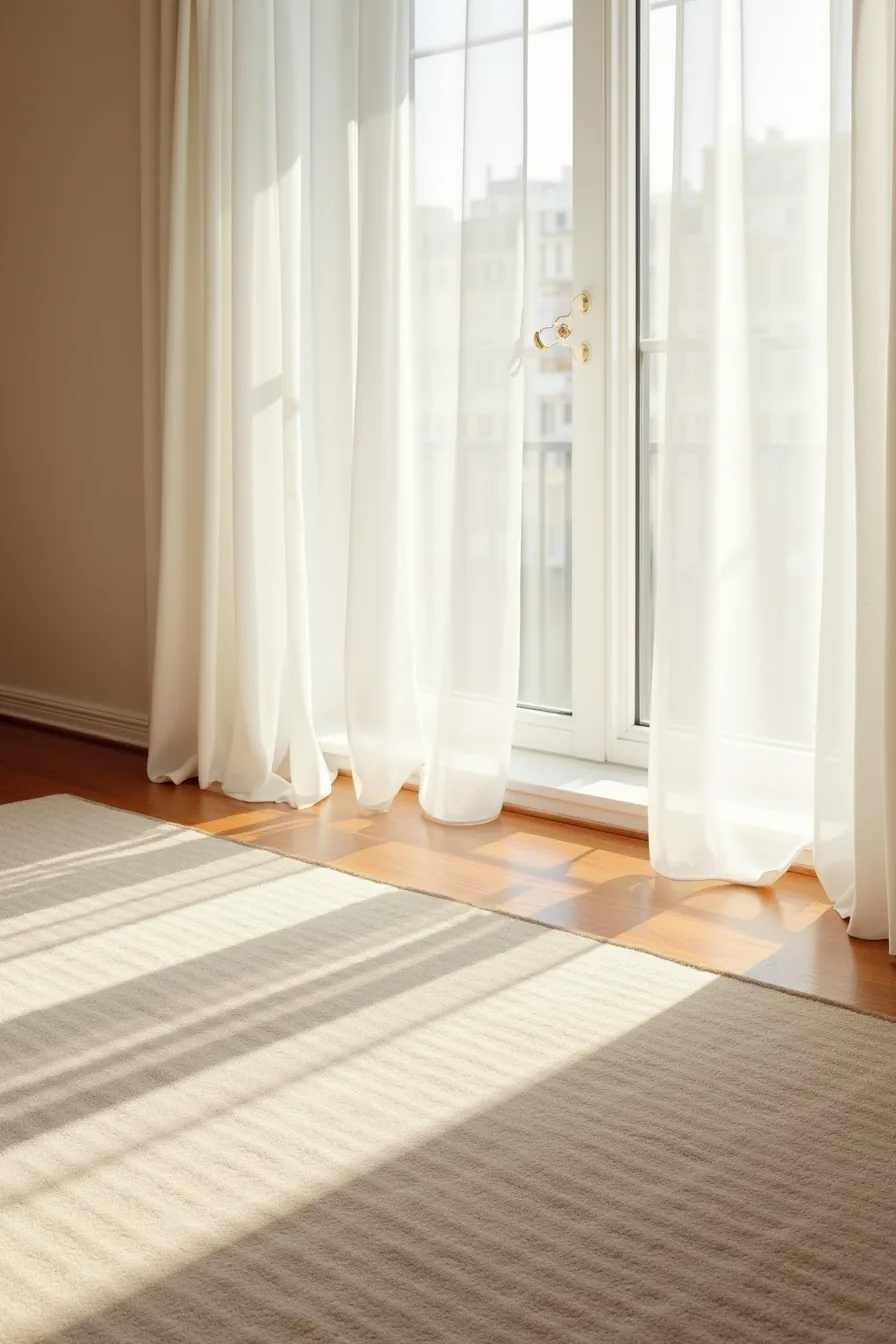
The split between plush and low-pile carpet is the single most important decision you’ll make about Luxury Carpet Texture, because it dictates how the room feels and functions. A plush surface, with fibers typically 0.5 to 0.75 inches tall, delivers that deep, sink-in sensation underfoot but shows footprints and vacuum tracks almost immediately. Low-pile loop carpet, by contrast, keeps fibers at 0.25 inches or less, creating a firmer, more resilient surface that hides daily wear and supports heavy furniture without crushing.
Consider a wooden threshold splitting two zones in the same room: low-pile loop texture with a geometric pattern on one side, high-pile plush on the other. This dual approach works because it assigns each texture to its ideal use, the low-pile zone handles the traffic path, while plush defines a relaxation area you won’t walk across repeatedly. Choose plush for bedrooms and media rooms where bare feet matter more than durability; opt for low-pile loops in hallways, home offices, and family living areas where you need the geometric pattern to stay crisp and the surface to resist matting.
The trade-off is straightforward: plush gives you comfort now but requires more frequent vacuuming and professional cleaning every 12 to 18 months, while low-pile costs less to maintain and lasts 5 to 10 years longer in active households.
Deep Plush for Bedroom Comfort Focus
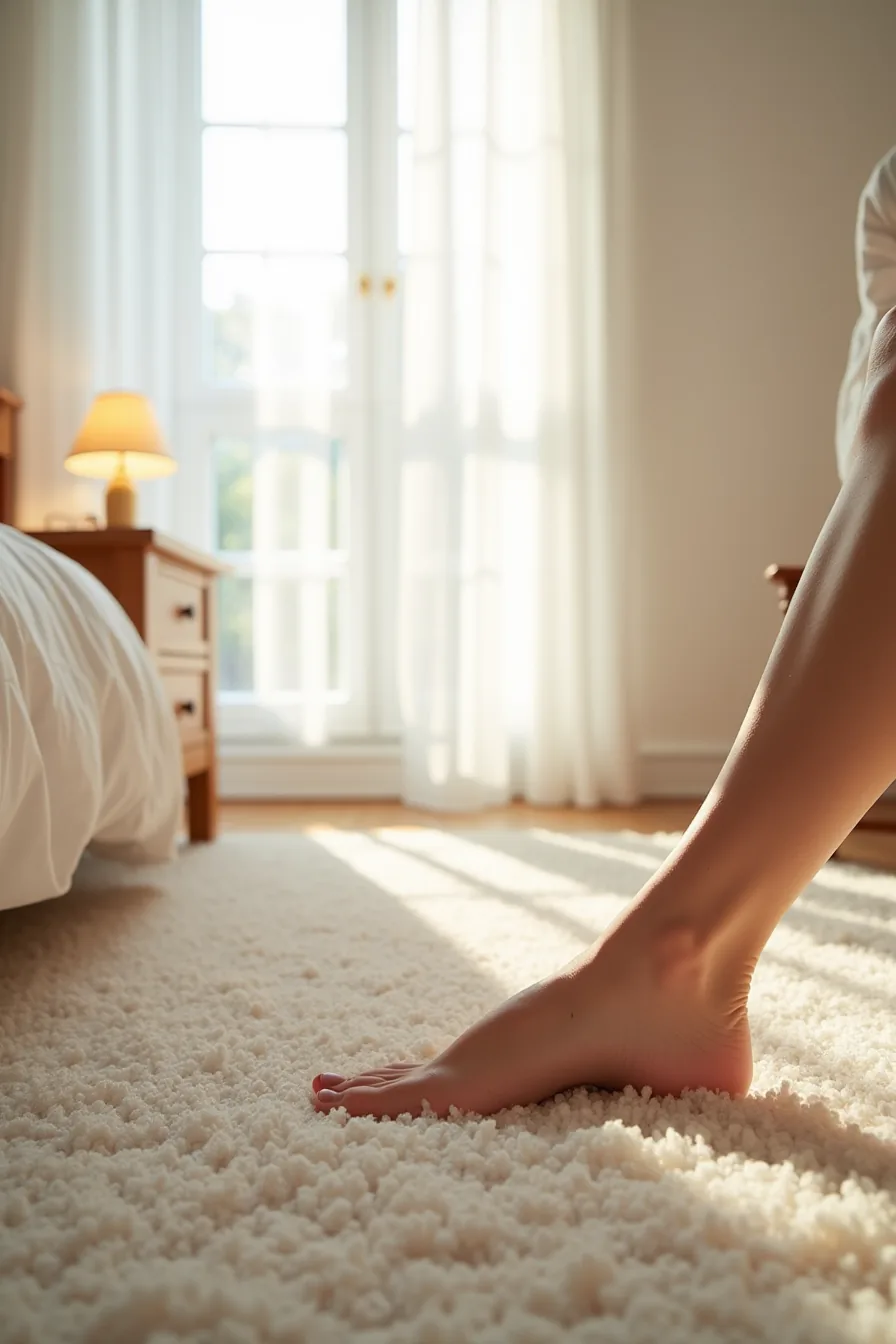
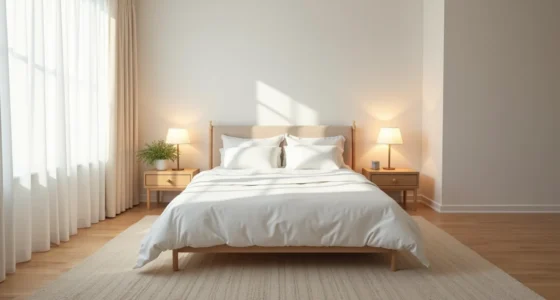
A bare foot pressing into deep plush carpet beside a wooden bed frame defines the bedroom comfort focus. Pile heights here run 0.75 to 1.5 inches, with the upper range reserved for master suites where you step directly onto the floor from bed. The visible compression underfoot, surrounded by undisturbed plush, confirms the fiber’s recovery, a trait that slim underlays can’t compensate for, so budget for a quality 8-pound density pad beneath.
For small bedrooms, cap the pile at 0.75 to 1 inch. Taller fibers visually shrink the floor area and soften the edges of rug-to-wall layouts, which makes a compact room feel crowded. Master bedrooms can absorb the full 1.5-inch height, particularly when you anchor the cotton bedding corner with a neutral tone that lets texture, not color, carry the space.
Maintenance is the real constraint. Deep plush traps dust and dander at the base, so vacuum weekly with a beater bar disengaged to avoid matting, and schedule a hot-water extraction every 12 months, twice that if you sleep with pets.
Subtle Sheen Effect Through Fiber Selection
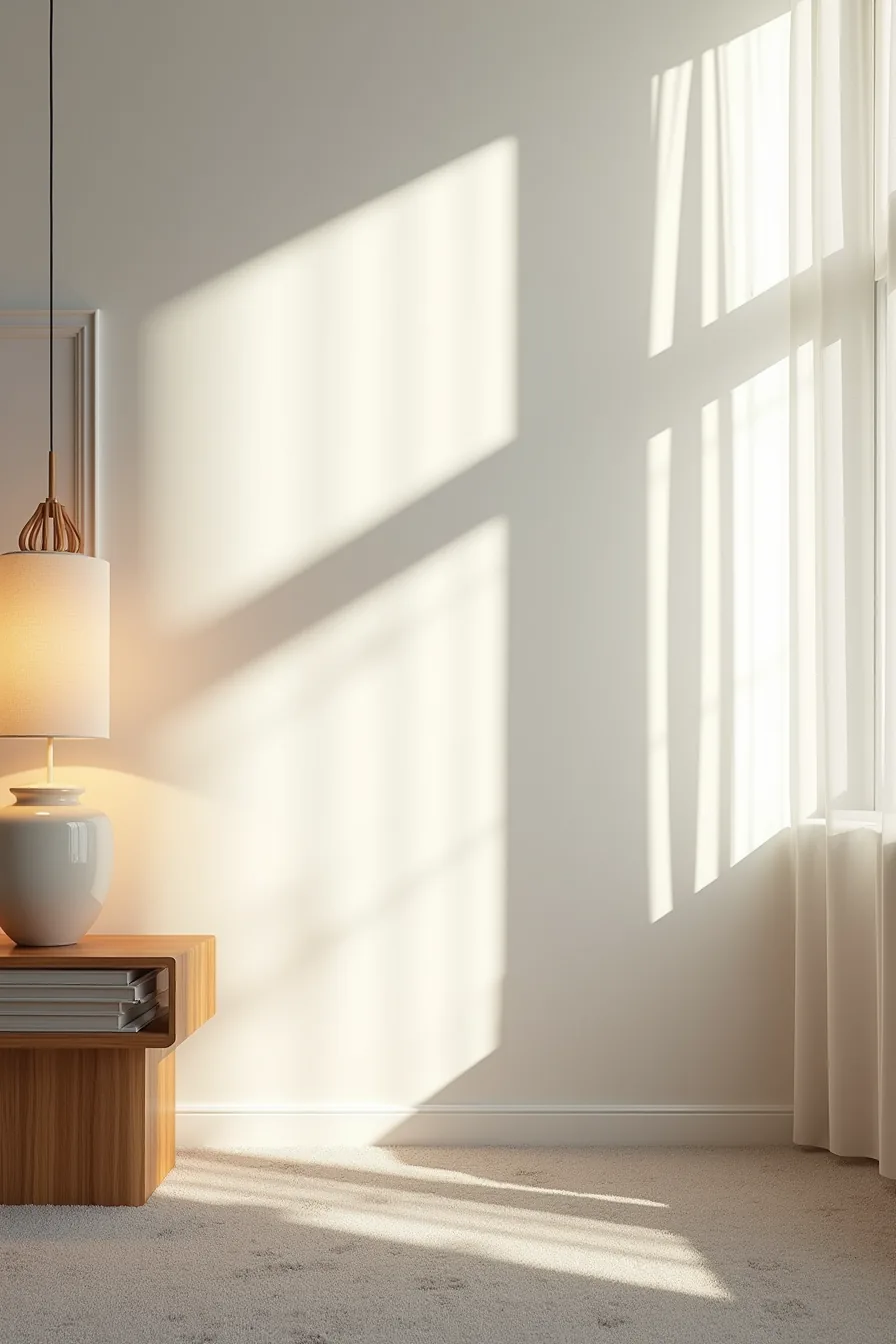
A wool-blend carpet in warm gray achieves its quiet glow through fiber choice, not finish. Wool’s natural scales scatter light irregularly, while a low percentage of nylon, typically 10 to 20 percent, adds a refined luster that reads as expensive rather than glossy. The angled side-lighting across the surface catches the fiber direction, creating a sheen that shifts as you walk past.
This effect suits north-facing rooms where direct sunlight is scarce. Warm gray works because it reflects enough light to show the luster without washing out; avoid cool tones here, as they dull the sheen. The ceramic vase and wooden side table anchor the carpet, proving the texture pairs well with matte, natural materials.
Expect to pay 15 to 30 percent more for wool blends over pure nylon, and vacuum weekly with a soft brush attachment to keep the fibers lying in one direction.
Textured Loop Pile for High-Traffic Areas
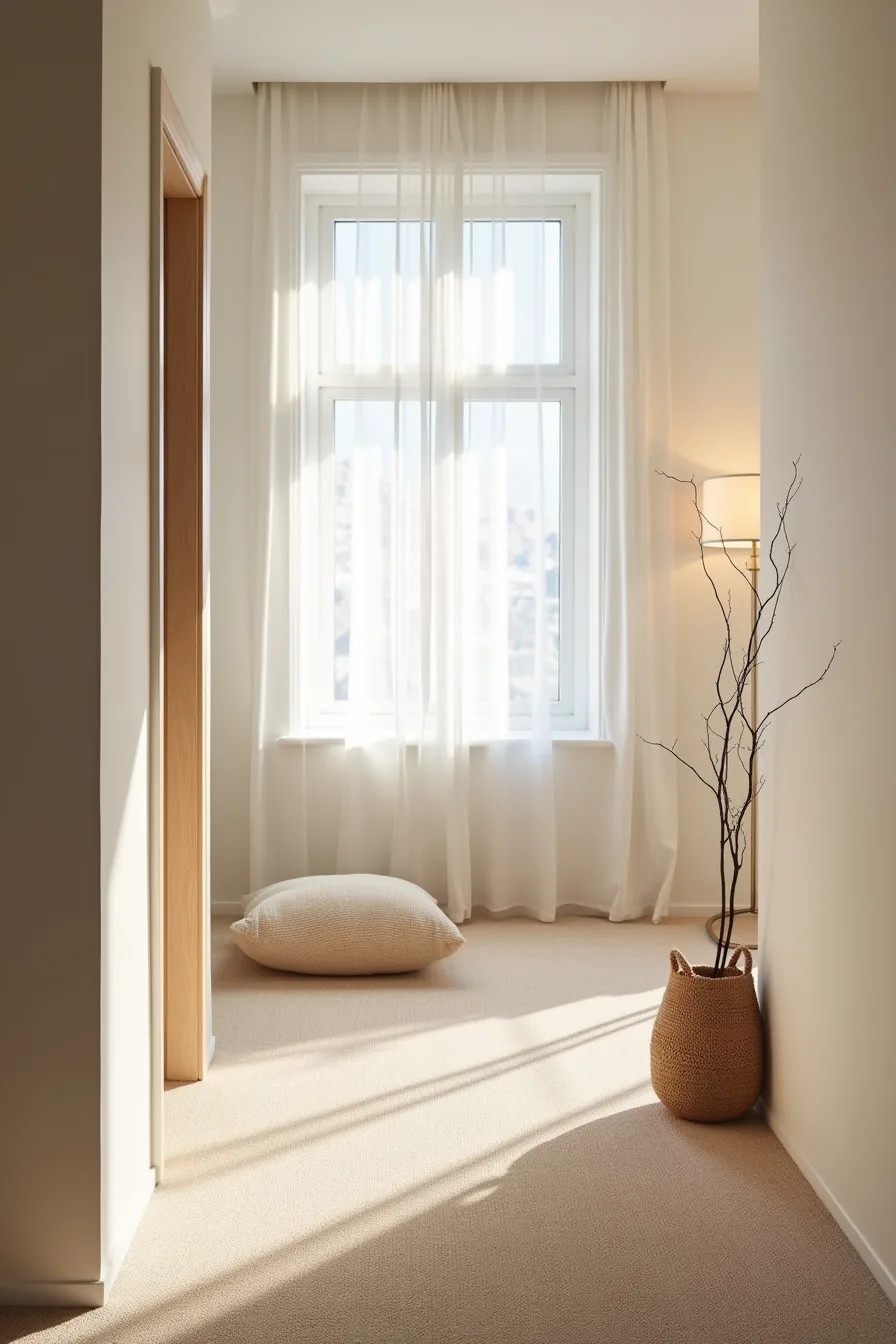
Multi-level loop pile creates a dimensional surface where raised and recessed loops form subtle geometric patterns. Because the loops are uncut, they resist crushing and matting far better than plush textures, expect a textured Berber or patterned loop to show 40 to 60 percent less visible foot traffic wear over five years than a comparable cut pile. The varying heights also disguise footprints and vacuum marks, which is why this construction dominates luxury apartments with open-plan layouts.
This setup places a sculptural floor cushion and a woven basket directly on the carpet at a hallway junction. The basket’s coarse weave contrasts with the carpet’s tighter loops, while the cushion adds a soft seating spot without interrupting the flow between hallway and living area. Choose a loop pile with a pattern density of at least 8 to 10 stitches per inch; looser weaves can snag on heels or furniture casters.
For hallways, select a loop height between 4 and 6 millimeters, lower loops clean more easily and let doors swing freely, while higher loops feel plusher underfoot but require more frequent vacuuming.
Budget, Renter, and Investment Routes
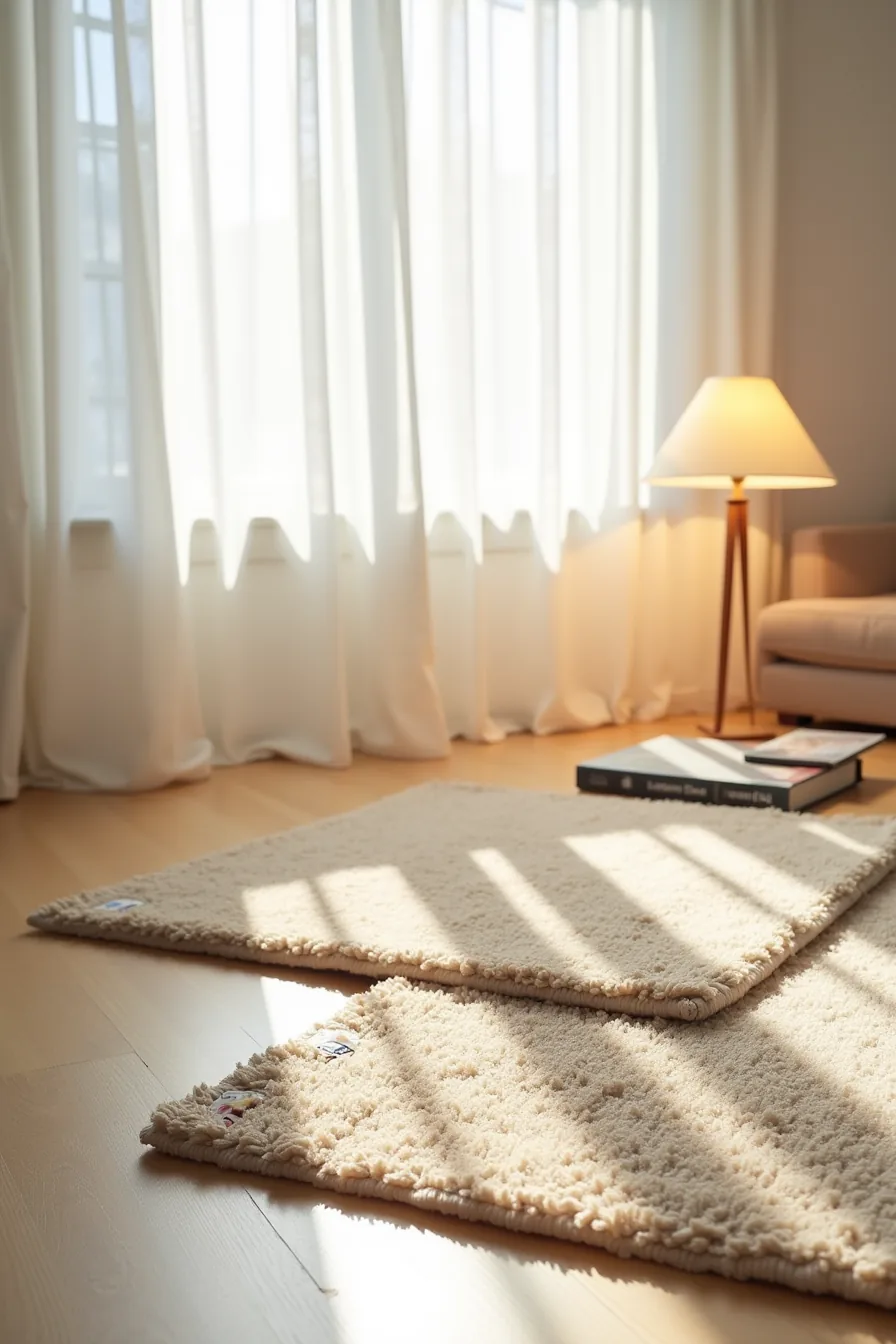
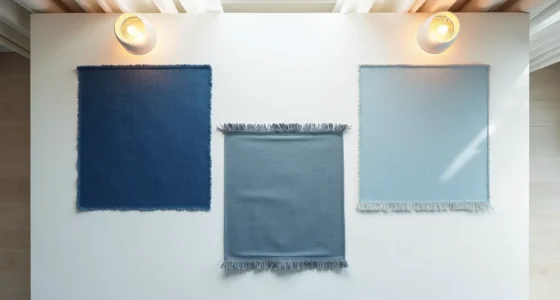
A synthetic pile swatch, a temporary area rug corner, and a premium wool sample side by side clarify your three real options. The synthetic route, typically polyester or polypropylene, costs $2 to $5 per square foot installed and lasts 5 to 8 years. It delivers the looped or textured look you want at a fraction of the price, though it flattens faster in sunny windows and holds onto oily stains more stubbornly than wool.
The renter-friendly path is a high-quality area rug with serged or taped binding, running $3 to $7 per square foot. Because it sits on top of existing flooring, you take it with you when you move; a dense 1/4-inch pile with a non-slip pad underneath gives you that cushioned, expensive feel without a permanent commitment. Expect 5 to 10 years of life, depending on traffic.
The investment route, 100 percent wool, often with a patterned loop or cut-and-loop construction, starts around $8 to $15 per square foot installed and can outlast 20 years with proper care. Wool resists crushing, hides soil in its natural lanolin coating, and actually improves in appearance as the fibers relax. You pay more upfront, but the cost per year of use often beats replacing cheap synthetic twice in the same decade.
Match the route to how long you plan to stay in the home, not just how much you want to spend today.
Make Luxury Carpet Texture Feel Inviting Underfoot
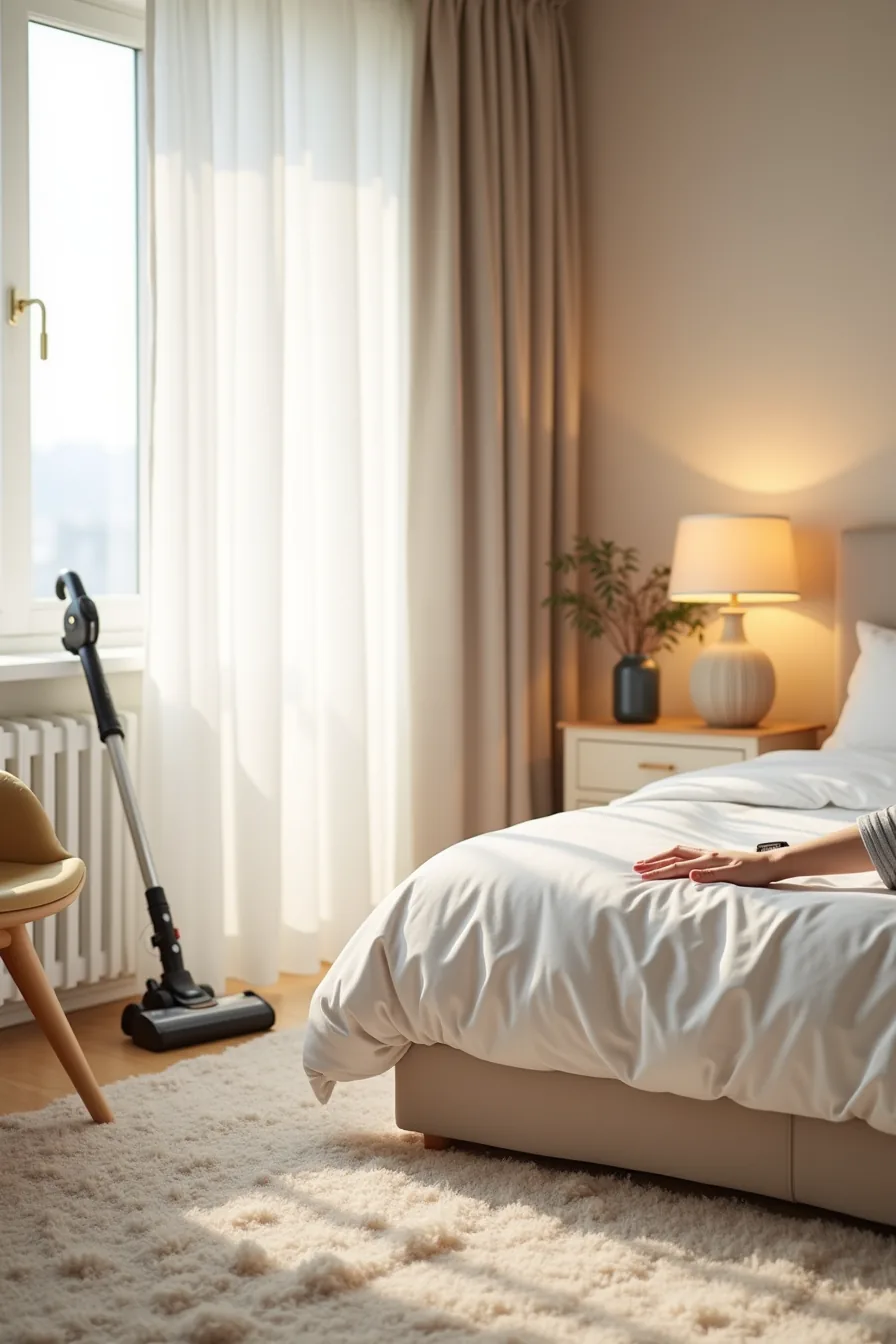
The tactile experience starts below the surface. A quality underlayment, 8 to 12 millimeters of bonded polyurethane foam or rebond rubber, adds a springy cushion that makes a 1/2-inch plush pile feel significantly more substantial under your feet. You can feel the difference the moment you step on it; the carpet compresses gently, then recovers, rather than hitting a hard subfloor.
Color depth plays a surprising role in how soft a carpet feels. Deep, saturated tones, navy, forest, charcoal, hide the individual fiber shadows that make lighter carpets feel visually flat and physically coarse. When you run your hand across a deep-colored plush surface, the longer pile fibers (typically 3/4 to 1 inch) bend and recover smoothly, creating that inviting, sink-in sensation.
Pattern scale matters too. A large, low-contrast pattern, think 12-inch repeating geometric motifs, adds visual interest without creating the stiff, bristly feel of tight, high-contrast loops. Keep the vacuum’s beater bar off this pile; use suction-only settings to preserve the fiber loft and that soft, welcoming texture for years.
Your decision checklist
Before you buy, weigh three factors: pile height (low for hallways, high for bedrooms), fiber type (wool for longevity, synthetics for stain resistance), and padding thickness (a dense 8-pound pad extends carpet life more than the carpet itself). Compare samples in your actual lighting, not under showroom spots.
Walk barefoot on each contender for a full minute. If you feel cold or prickly, move to the next sample.
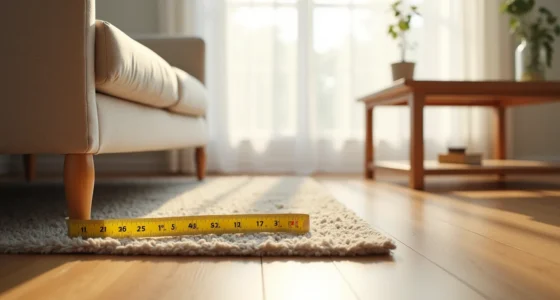
What to do first: Measure your room’s longest wall and order a 2×3-foot swatch of your top two textures. Live with them for a week before committing a single dollar.
Frequently Asked Questions
What is the difference between plush and low pile carpet, and which is better for luxury homes?
Plush features a dense, cut-pile surface with a soft, formal appearance, while low pile is shorter and tighter, offering durability. For luxury, plush excels in low-traffic bedrooms; low pile suits high-use living areas without sacrificing elegance.
How do I maintain luxury carpet texture to keep it soft and looking new?
Vacuum weekly with a beater bar, and address spills immediately with blotting, not rubbing. Professionally steam-clean every 12–18 months, and use a pile lifter to restore texture. Rotate furniture periodically to prevent matting in high-traffic zones.
Can I install luxury carpet texture in a rental apartment, or should I use an area rug instead?
In a rental, wall-to-wall installation risks losing your deposit, so choose a large area rug instead. A rug delivers the same plush feel, defines spaces, and moves with you, ideal for renters seeking flexibility without permanent changes.
What fiber types create a subtle sheen effect without looking overly glossy?
Wool, silk-blend, and triexta fibers produce a soft, lustrous sheen that catches light elegantly. Opt for a cut-pile or saxony construction; these fibers reflect light gently, unlike synthetic options that can appear shiny or plastic-like.