Outdoor storage starts with a hard truth: the right bin, bench, or shed won’t fix a cluttered yard until you know exactly what you’re storing, how often you need it, and where water, sun, and pests actually reach your space. Skip that inventory and you’ll simply pay to shelter items you never use. The payoff comes from matching six proven systems, from weatherproof deck boxes to modular wall grids, to your specific traffic patterns and climate, so you can reclaim square footage without sacrificing curb appeal or access.
Key takeaways
- Audit first, buy later: Sort your outdoor items into keep, donate, and discard piles before measuring your space, since most homeowners overestimate usable yard area by 20–30% until they clear it out.
- Fixed sheds win on volume: A 6×4-foot metal or resin shed holds roughly 150–200 cubic feet, making it the only option that comfortably stores lawnmowers, bikes, and bulk soil bags without crowding your walkways.
- Renters should anchor, not drill: Freestanding deck boxes with locking lids and wall-mounted rail systems that use tension rods or adhesive hooks protect your deposit while still keeping tools off the ground and away from moisture.
- Match materials to your climate: Powder-coated steel resists rust in coastal salt air, while cedar or teak needs annual oiling but handles extreme sun better than plastic, which can crack below freezing.
Audit Your Outdoor Inventory Before Buying Containers
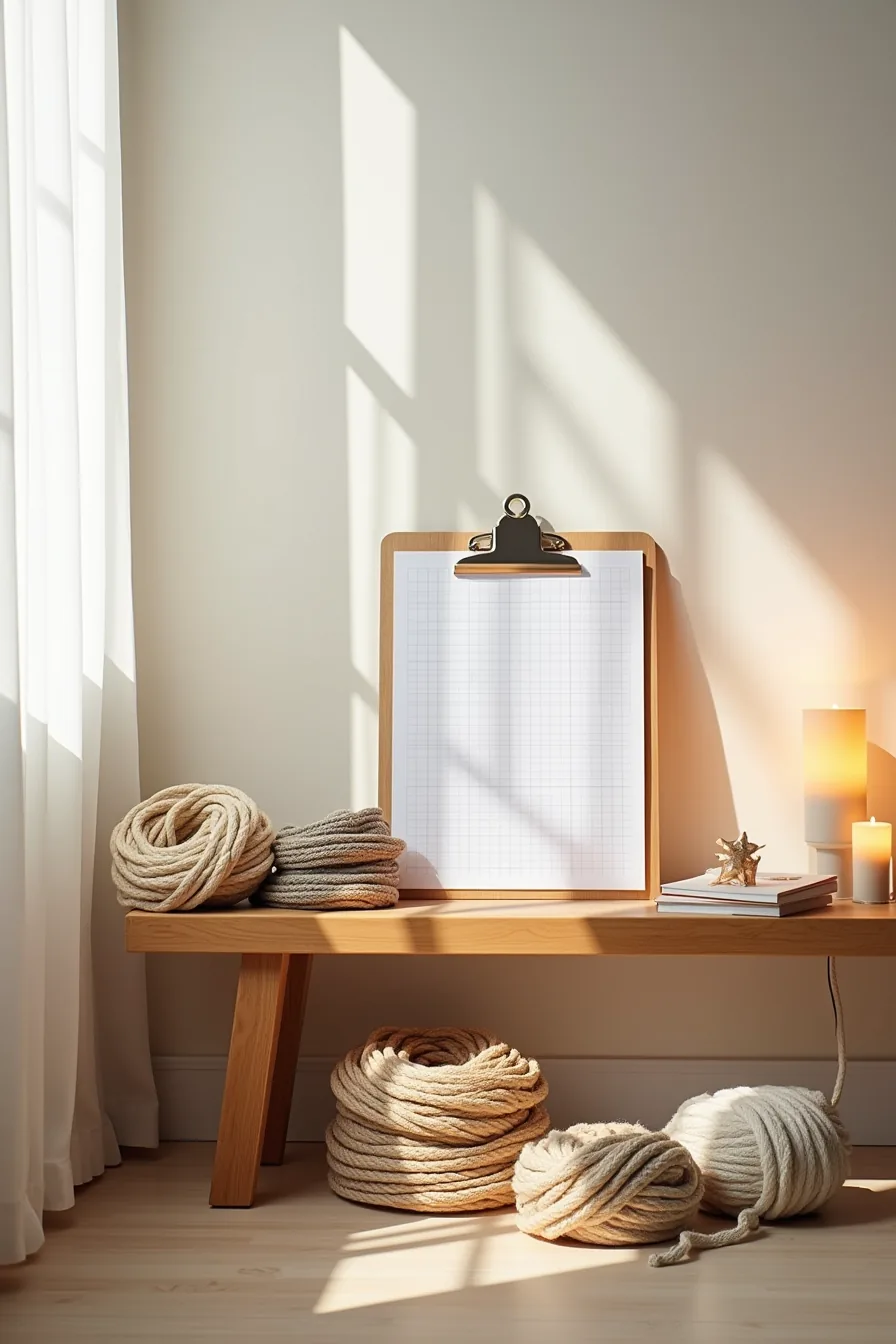
Sort everything you currently keep outside into piles: rope and cordage, small hardware like screws and hooks, seasonal decorations, and cleaning supplies. A clipboard with grid paper helps you map the volume of each category, jot down approximate dimensions rather than guessing by eye. You’ll likely discover that half of what you store outdoors belongs indoors or in the trash.
Rusted tools, half-empty paint cans, and brittle plastic planters don’t justify premium storage. Group the keepers by how often you access them: weekly items need eye-level access, while holiday décor can sit high or far back. Measure the footprint of each pile and add 20 percent for future purchases.
That total, not your available shed space, determines what storage capacity you actually need.
Fixed Storage Sheds: Best for Permanent, High-Capacity Needs
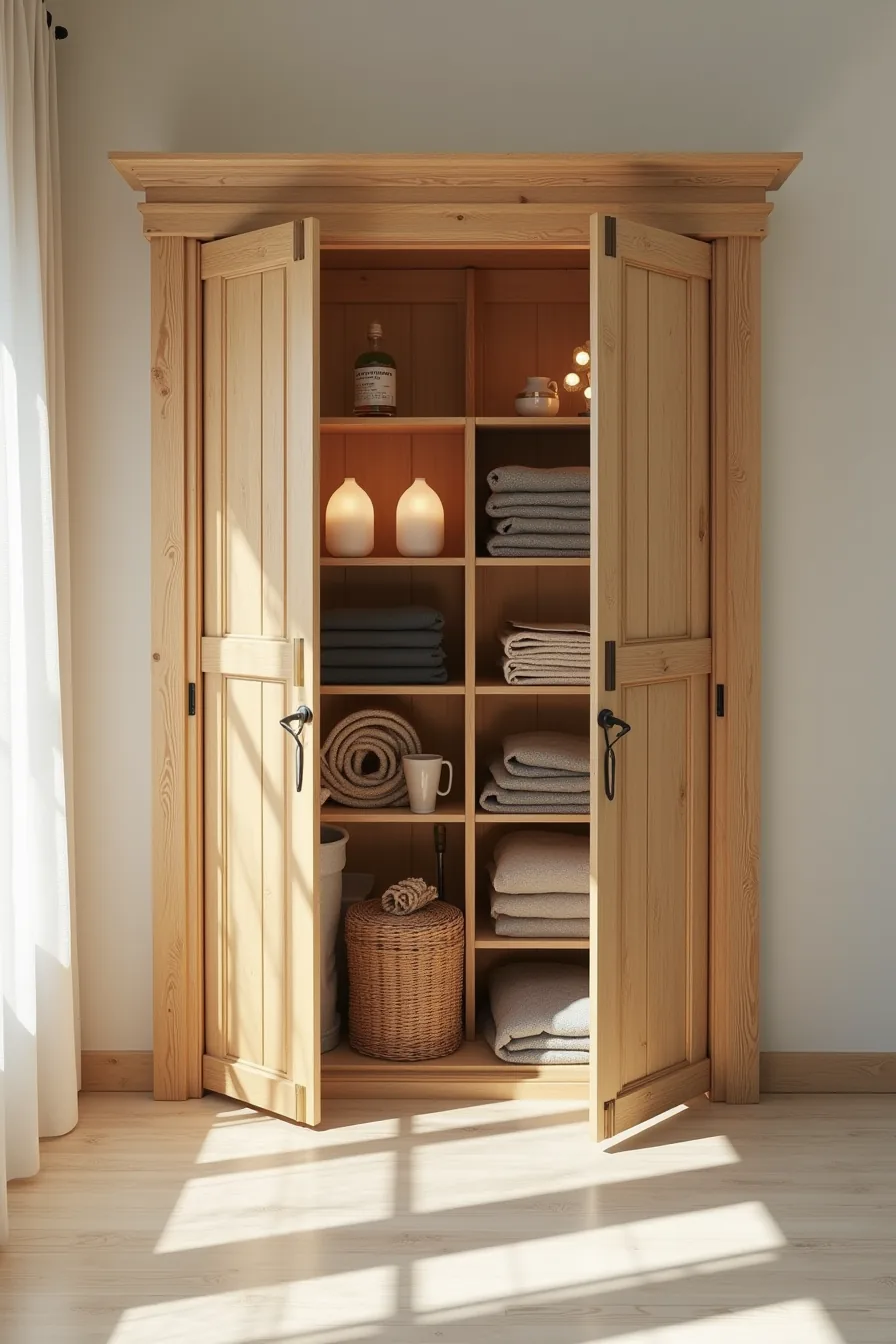
A fixed shed justifies itself when your sorted inventory exceeds roughly 50 square feet of floor space or includes bulky items like wheelbarrows and lawn mowers. Typical footprints run 6 by 8 feet up to 10 by 12 feet, with peak heights around 7 to 9 feet so you can store long-handled tools vertically. You’ll need a level, compacted base of gravel or concrete pavers; a resin shed on bare soil will rack and its door will bind within a season.
Wood sheds cost the least upfront but demand the most upkeep, plan to repaint or re-stain every 2 to 3 years. Metal sheds resist rot but dent easily and can sweat condensation onto metal tools. Resin models never need painting, but their walls flex, so anchor them to the foundation in high-wind zones.
The shed in this setup uses hinged double doors, which give you a clear, full-width opening for sliding out a mower or dragging folded tarps from the shelves without sidestepping a rolling door track. Coiled rope and garden equipment stay on open shelving so you can see what you’ve before buying duplicates.
Adjustable Shelving and Wall-Mounted Systems for Small Yards
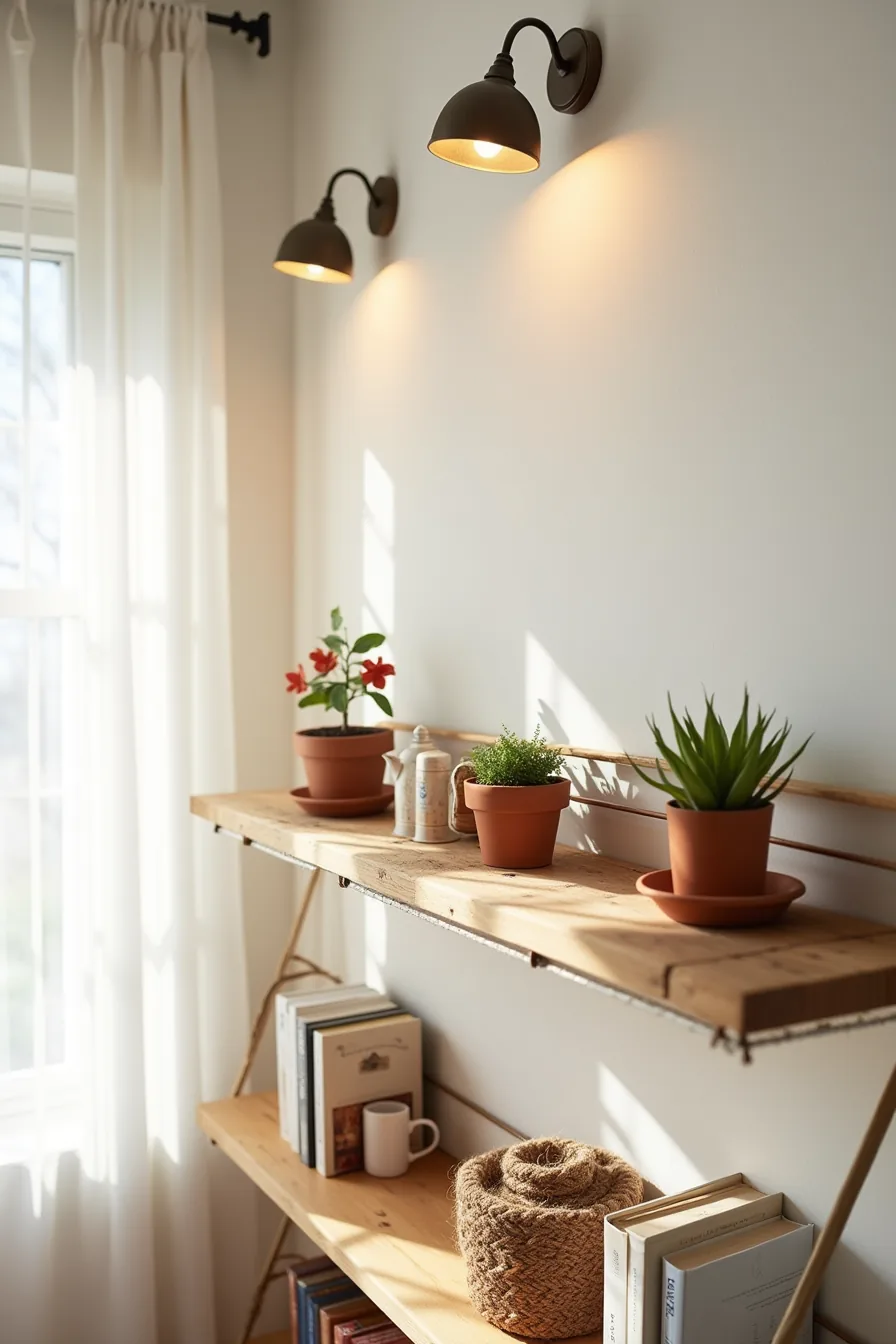
When floor space is measured in feet rather than yards, vertical storage becomes the practical default. Wall-mounted metal shelves with adjustable brackets let you stagger heights to fit a watering can under a row of terracotta pots, while a narrow fence section holds the entire system in roughly 2 to 3 feet of width. Each shelf carries 30 to 50 pounds when anchored into studs or masonry, don’t mount into hollow fence panels expecting the same support.
The trade-off is exposure. Unlike a shed, this setup has no roof, so everything on the shelves must tolerate rain and UV. Terracotta pots, a metal watering can, and coiled twine handle that fine, but you’ll need to bring in anything fabric, paper-labeled, or rust-prone during wet months.
Open shelving also puts your inventory on display, so group items by frequency of use, daily tools at eye level, seasonal pots higher up. For a small yard, this system costs roughly $80 to $200 and takes under an hour to install, making it a low-commitment patio storage solution that keeps the ground clear for seating or planting.
Renter-Friendly Storage: Portable and Non-Permanent Solutions
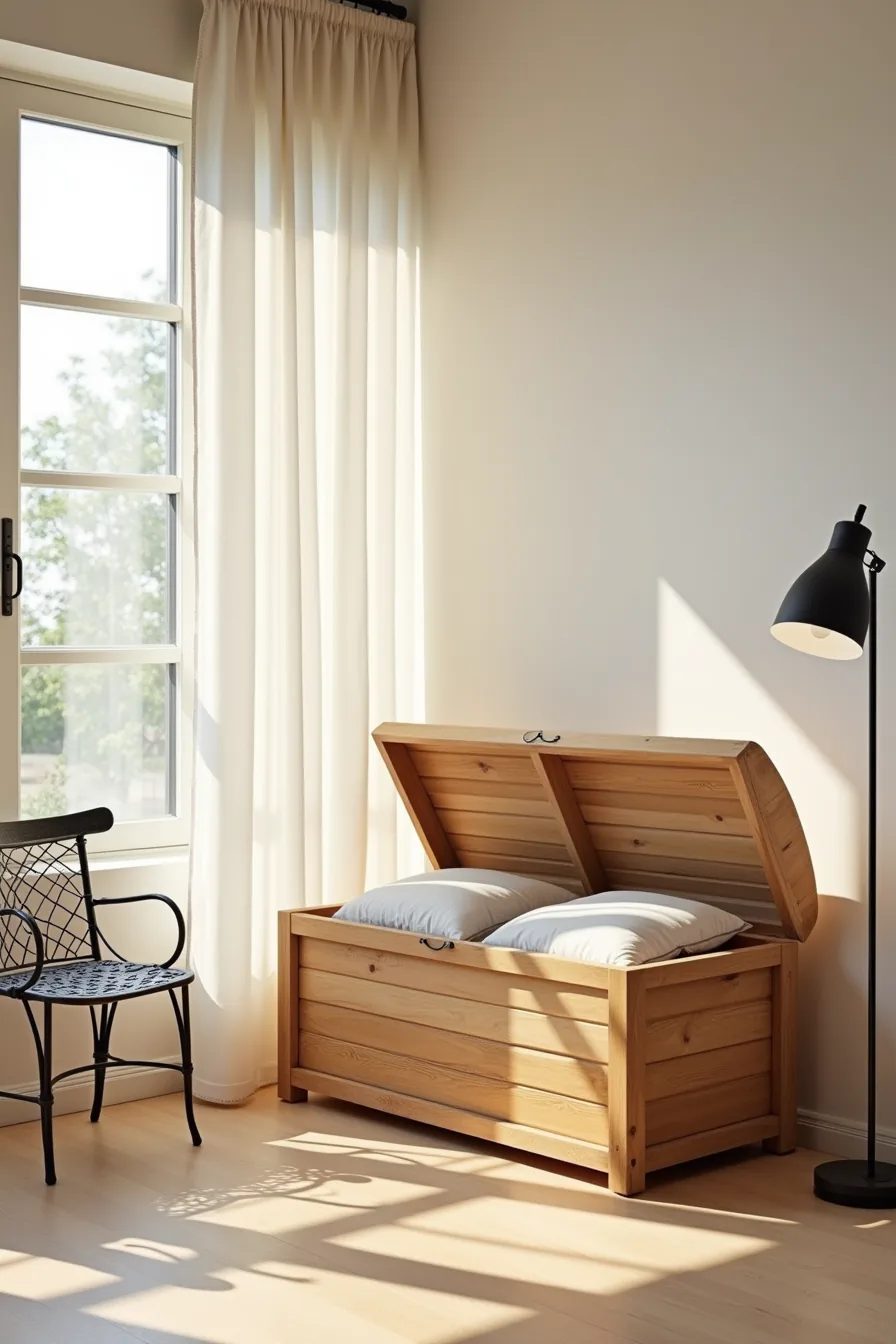
A freestanding deck box in the patio corner gives you 60 to 100 gallons of sealed storage that requires zero drilling, mounting, or anchoring, everything a landlord will approve. Resin and polypropylene versions weigh 20 to 35 pounds empty, so you can drag one across the yard when the seating arrangement changes or haul it to a new apartment entirely. The lid stays weatherproof against light rain, though you should expect water pooling on top rather than leaking inside; tilt the box slightly with a paver underneath for drainage.
The portable metal bench beside it serves as a dry spot for potting trays and a spare seat for gatherings, but it isn’t a substitute for the deck box. Use the bench for items you grab daily, hand tools, a trowel, a kneeling pad, so the box holds the seasonal bulk like folded cushions and outdoor textiles. When you move out, both units load into a car trunk in under five minutes, leaving no holes in the wall and no argument with the security deposit.
Budget $90 to $250 for a quality deck box, and look for locking lid clips if the patio faces a shared walkway.
Weather-Ready Materials and Protective Finishes
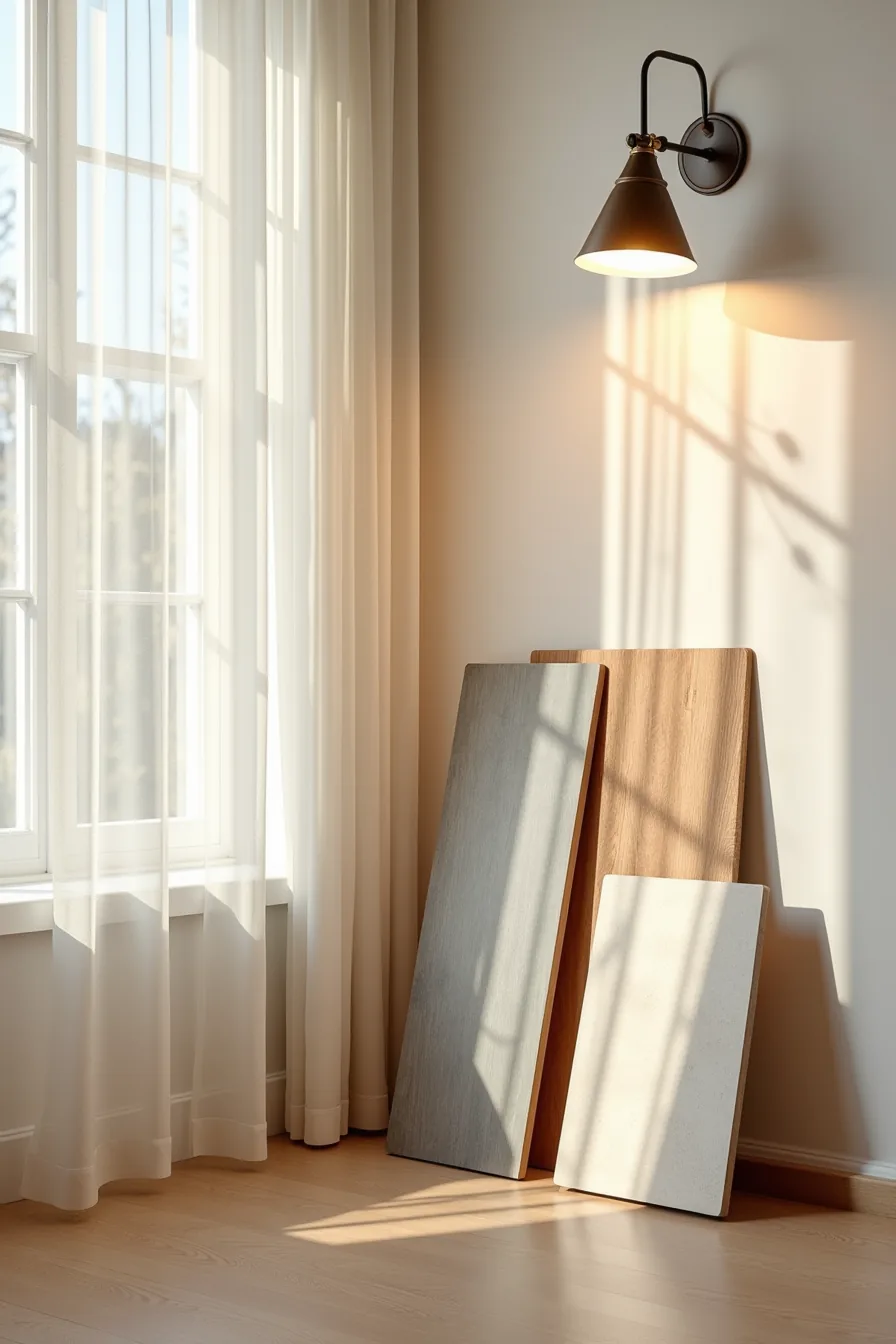
The three samples against that weathered fence tell you everything about material longevity. The sealed wood plank, cedar or redwood, most likely, survives 10 to 15 years outdoors only if you reapply penetrating oil or UV-blocking sealant every 12 to 18 months. Skip that $30 annual maintenance, and you’ll see gray splintering by year three.
The rust-resistant metal panel, typically galvanized steel with a powder-coat finish, handles freezing winters and desert summers without cracking, but inspect the edges annually: any scratch down to bare metal becomes a rust point within two seasons.
The resin composite sheet is the low-maintenance winner. It withstands UV exposure without fading for roughly 8 to 12 years, tolerates temperature swings from -20°F to 120°F without warping, and never needs sealing. Expect to pay 20 to 40 percent more upfront than treated pine, but you eliminate recurring stain and sealer costs entirely.
For coastal yards with salt spray, skip bare metal entirely, even powder-coat fails within 4 to 6 years when salt embeds in scratches. Match your material to your climate’s worst condition, not its average day.
Labeling, Access, and Safety for Outdoor Storage Systems
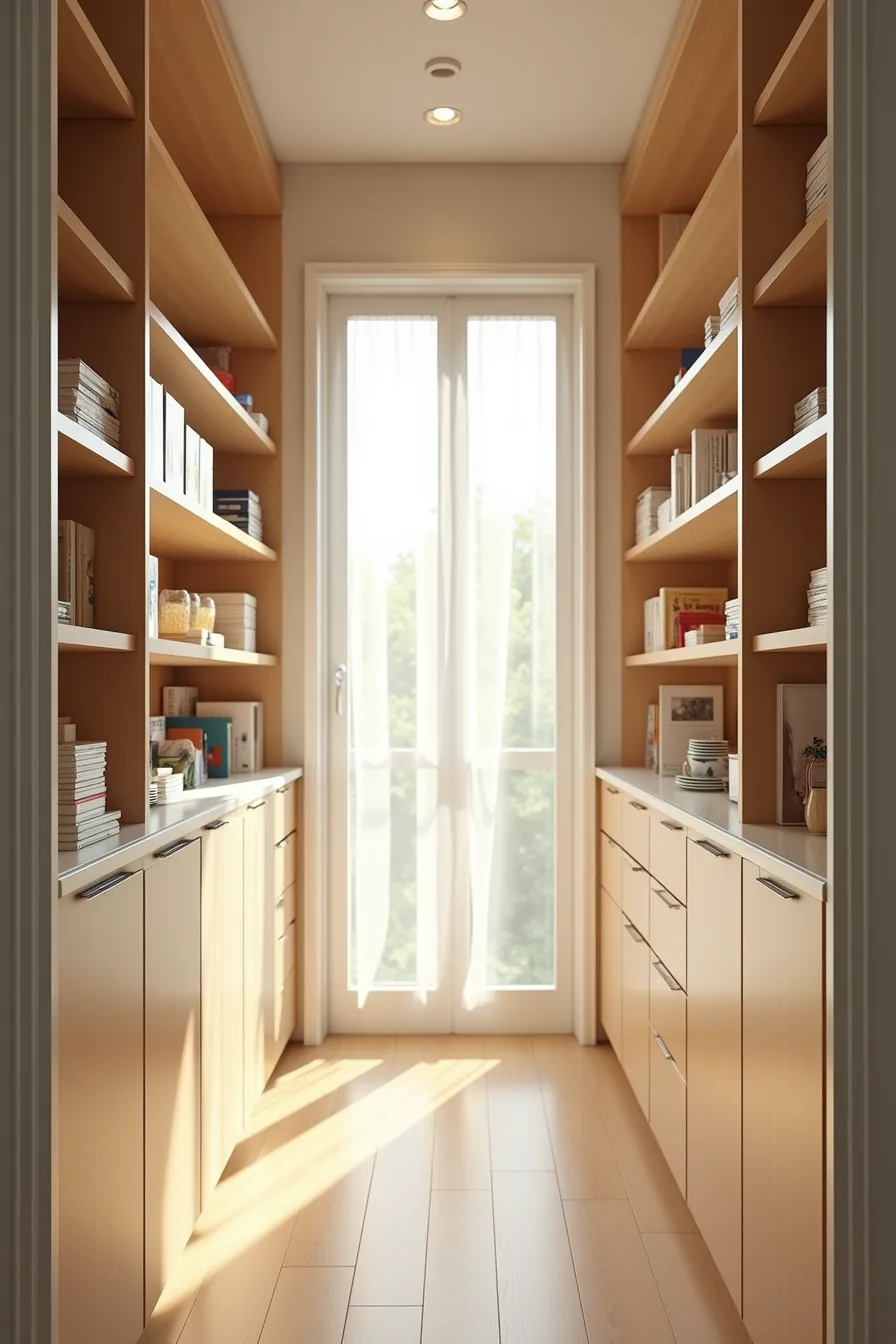
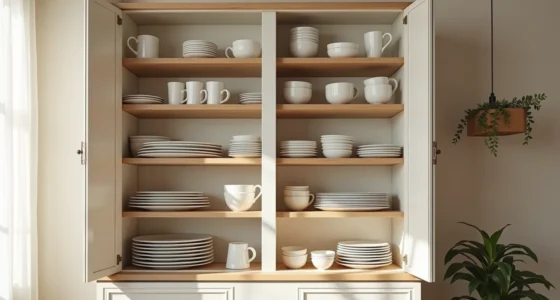
Organize the interior of that storage cabinet so every item has a retrieval time under 60 seconds. Group by category, planters and potting supplies in the drawers, grill tools and fuel on the middle shelves, pool and yard chemicals in the topmost locked container. Use color-coded weatherproof bins: opaque versions hide the contents while UV-resistant labels, printed on a P-Touch and laminated, survive 2 to 3 rainy seasons without smudging.
Skip permanent markers on bare plastic; they fade to unreadable within months.
Position the cabinet so you leave a 36-inch clearance path in front of the doors, anything narrower forces you to shuffle sideways with an armful of pots. The ventilation gaps visible along the back panel aren’t decorative: they allow airflow that prevents mildew on stored cushions and canvas bags. Keep heavy items like bagged soil and full watering cans on lower drawers to prevent tip-over injuries, and store all chemicals in their original containers, sealed, away from any metal shelving that could corrode.
Check quarterly that nothing has shifted to block the latch or hinges.
For renters or anyone avoiding permanent fixtures, freestanding modular shelving with weatherproof covers achieves the same organized access without drilling into walls. Pair it with strap anchors rated for your region’s wind speeds if you live where gusts exceed 40 mph. The system should let you see every shelf from a standing position, bending and stretching to find items is how patio accidents happen.
What to Do First
Skip browsing containers until you’ve emptied and sorted what you actually need to store. Group items by frequency of use, daily access items like bikes and grilling tools belong closest to the door, while seasonal gear can sit deeper in the layout. Measure your available footprint before buying anything.
Match your system to your space type: renters benefit from freestanding, tool-free cabinets; homeowners can invest in fixed built-ins. Budget-friendly resin deck boxes work well for cushions and pool supplies, but they won’t survive extreme winters without cracking.
Your next step: photograph your outdoor area, measure it, and list every item you’re keeping. Bring those numbers to your storage shopping, you’ll avoid the two most common mistakes, buying too small or oversized for the space.
Frequently Asked Questions
What size outdoor storage shed do I need for a small yard?
For a small yard, choose a shed between 4×6 and 6×8 feet. This fits a lawn mower, folding chairs, and basic tools while leaving at least 3 feet of clearance around it for airflow and access.
Can I use indoor storage containers outside, and for how long?
Indoor containers degrade in direct sun within one to two seasons, they crack, fade, and lose waterproofing. Use them only under a covered porch for short-term storage, never exposed to rain or frost.
How do I prevent rust and mold in metal and wooden outdoor storage?
Apply a rust-inhibiting primer and paint to metal annually, and seal wood with exterior-grade varnish every two years. Improve both off the ground on pavers, and drill small drainage holes to stop standing water from forming mold.
What’s the difference between a storage bench and a deck box for patio clutter?
A storage bench holds lightweight items like cushions and blankets, with a seat height of 16-18 inches for comfortable sitting. A deck box offers deeper, wider capacity for bulky tools and sports gear, but it doubles as occasional seating only, not regular chairs.