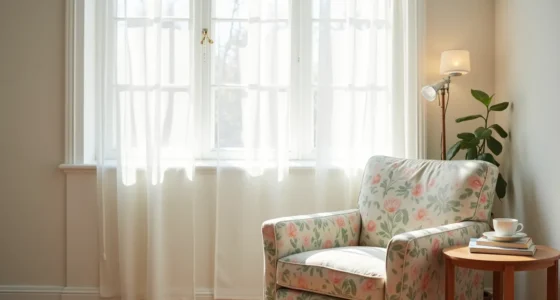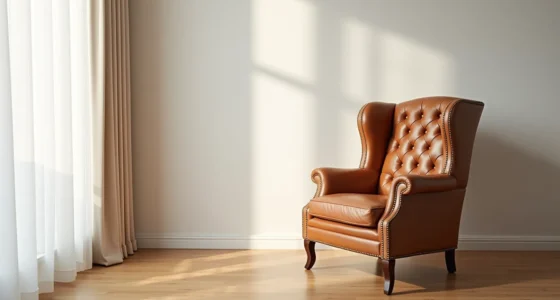

Royal Chair Design isn’t a single look, it’s a spectrum from carved, throne-like silhouettes to clean-lined upholstered statements, and the version that works for you depends entirely on your room’s scale, your budget, and how much maintenance you’re willing to commit to. Before you buy, you need to match the chair’s footprint to your floor plan, choose materials that survive your daily life, and decide whether you’re after a focal point or a subtle accent. The six approaches below break down what each style demands in space, cost, and care, so you can pick the one that fits your actual room rather than a Pinterest fantasy.
Key takeaways
Carved frames anchor the look, choose solid wood with deep relief detailing over veneer, since the shadow work creates the “royal” effect and costs $200–$800 for a refurbished piece. Upholstery dictates the mood, velvet or damask in jewel tones (emerald, sapphire, burgundy) reads regal, while linen or leather skews modern; expect to pay $150–$400 for reupholstering a single chair. Scale follows your room’s footprint, a 24–30-inch-wide throne-style chair suits small nooks, but for large spaces, push toward 36–42 inches wide and pair it with an ottoman to balance visual weight. Rental-safe swaps exist, use a slipcover in a rich texture over a thrifted armchair, or add a temporary tufted back panel with adhesive strips, avoiding permanent modifications.
Carved Frame Detail as Your Starting Point
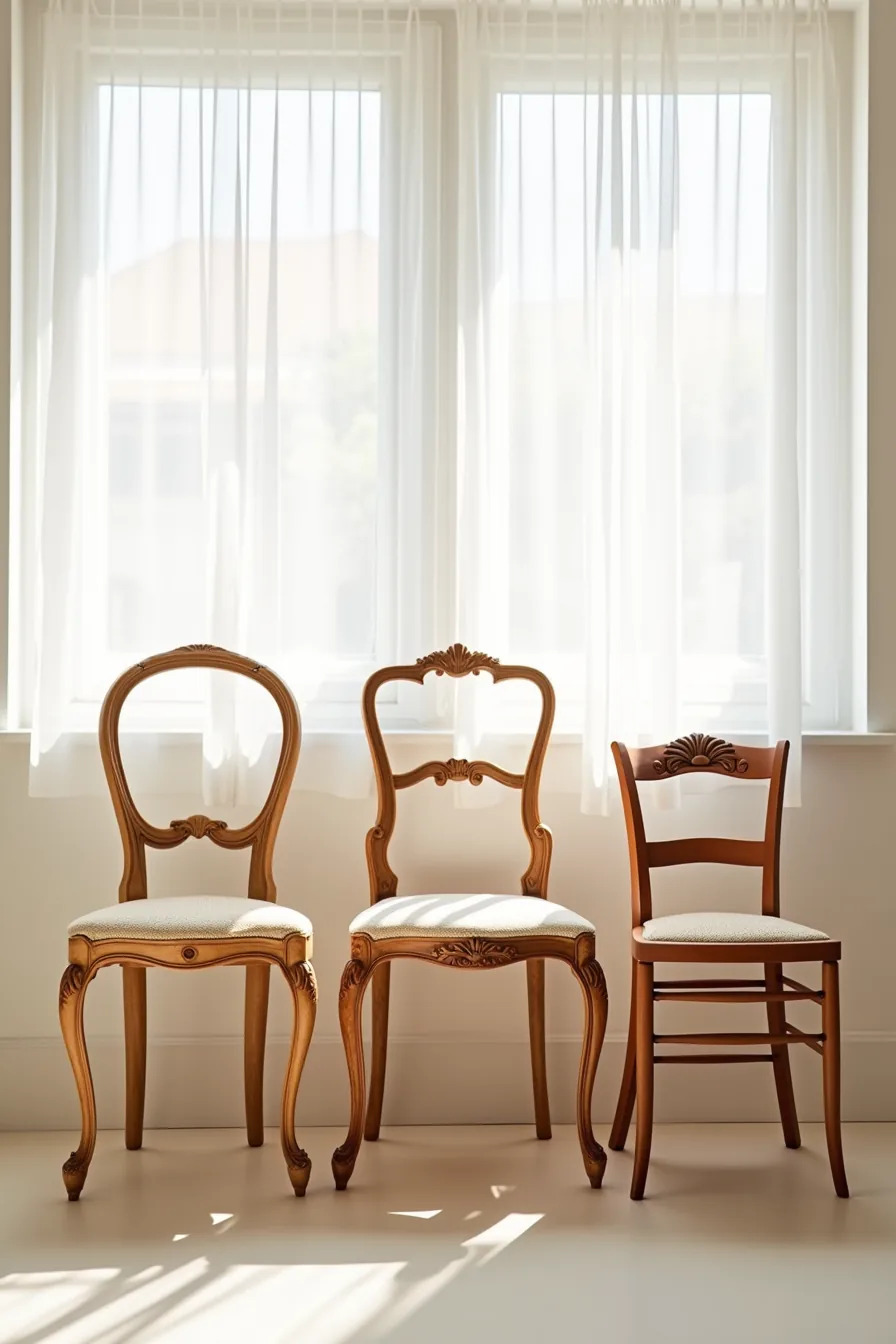
The quickest way to commit to Royal Chair Design is through the frame itself, before fabric ever enters the equation. Compare three bare wooden frames side by side and you’ll see the full stylistic spectrum: a ball-and-claw foot with fluted legs reads as formal and heavy, suited to a traditional dining room or study where you want visual weight; a cabriole leg with a shell motif on the knee feels more transitional, elegant enough for a living room corner but less imposing than its ornate counterpart; and a straight tapered leg with minimal carving is the quietest entry point, working in a modern apartment with mixed furniture styles.
For most rooms, the middle option wins on versatility. The shell carving adds the “royal” cue without demanding a period-accurate space around it. If you’re working with a 70–90 sq ft seating area, choose a frame where the carving is concentrated on the knees and crest rail rather than spread across the entire back, it will read as intentional from across the room but not overwhelm close up.
Budget-wise, expect solid wood frames with hand-carved details to run 2–3 times the cost of machine-carved or resin-reinforced versions; the latter lose crispness on the fine lines within five years of regular use. For renters, look for a frame with a removable slipcover over a simple carved base, you get the texture without committing to a permanent upholstered piece.
Dramatic Upholstery: Fabric, Color, and Texture Choices
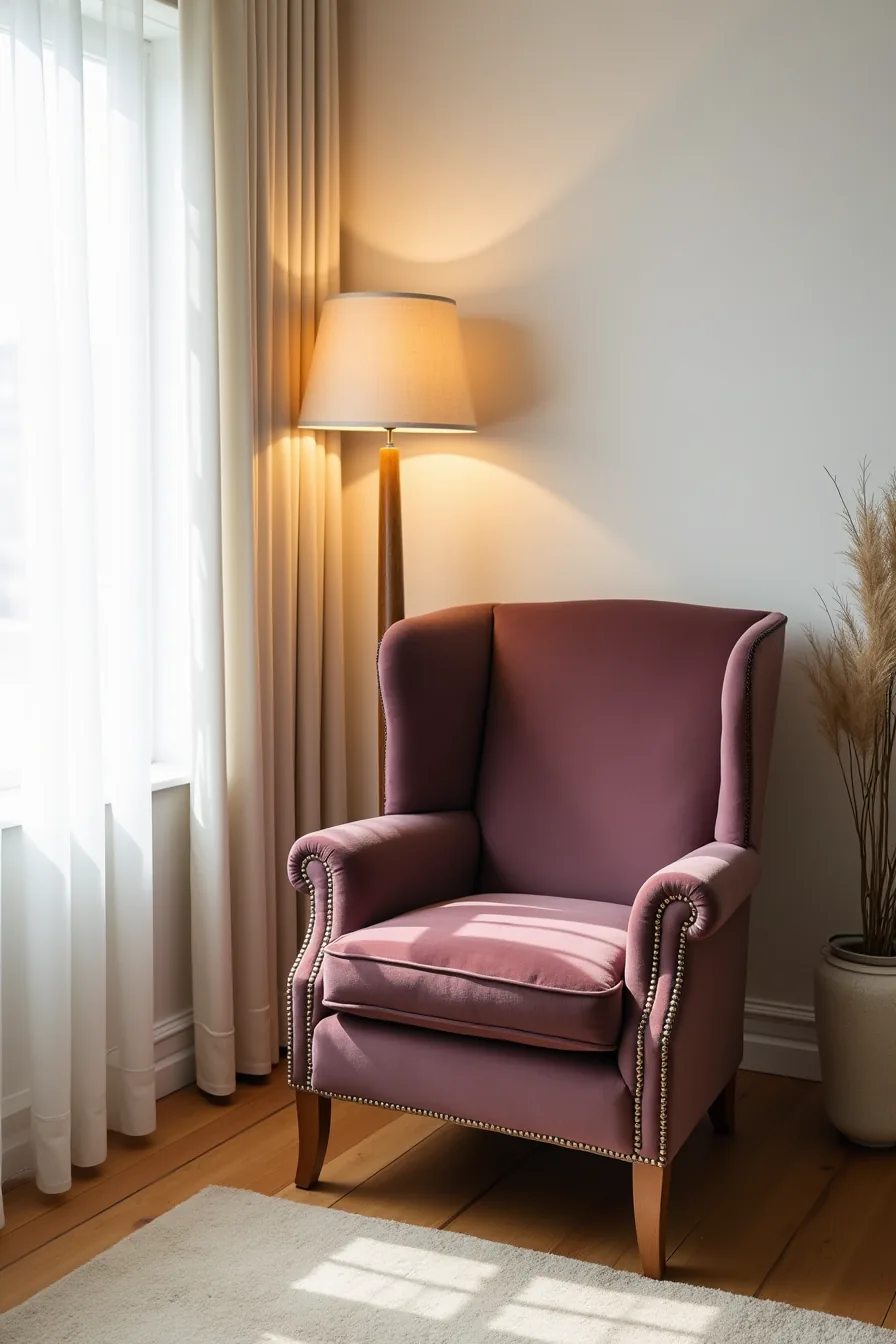
Velvet is the default for a reason: its pile depth catches light differently with every shift in the room, making a single armchair feel alive. On a frame with visible wooden legs and armrests, choose a deep jewel tone, emerald or sapphire, that contrasts sharply with the bare wood, so the frame reads as part of the design rather than disappearing into the fabric. A 2–3 inch pile height gives you that plush, regal depth without swallowing the silhouette; anything longer starts to look shaggy and obscures the carved lines.
Nailhead trim along the seat edge and arms is your finishing move. It adds structure and visual weight, anchoring the chair in a medium room (150–250 sq ft) without making it feel like a throne. For small spaces, keep the trim to a single row in a finish that matches the wood, brass on dark wood, silver on light, so it doesn’t compete with the fabric.
Expect to pay 15–25% more for velvet with a high rub count (over 50,000 double rubs); standard velvet will show wear on the seat within three years of daily use. If you rent, opt for a washable velvet slipcover in the same jewel tone, you get the texture and color impact, and you can swap it out when you move.
Scale and Proportion for Small, Medium, and Large Spaces
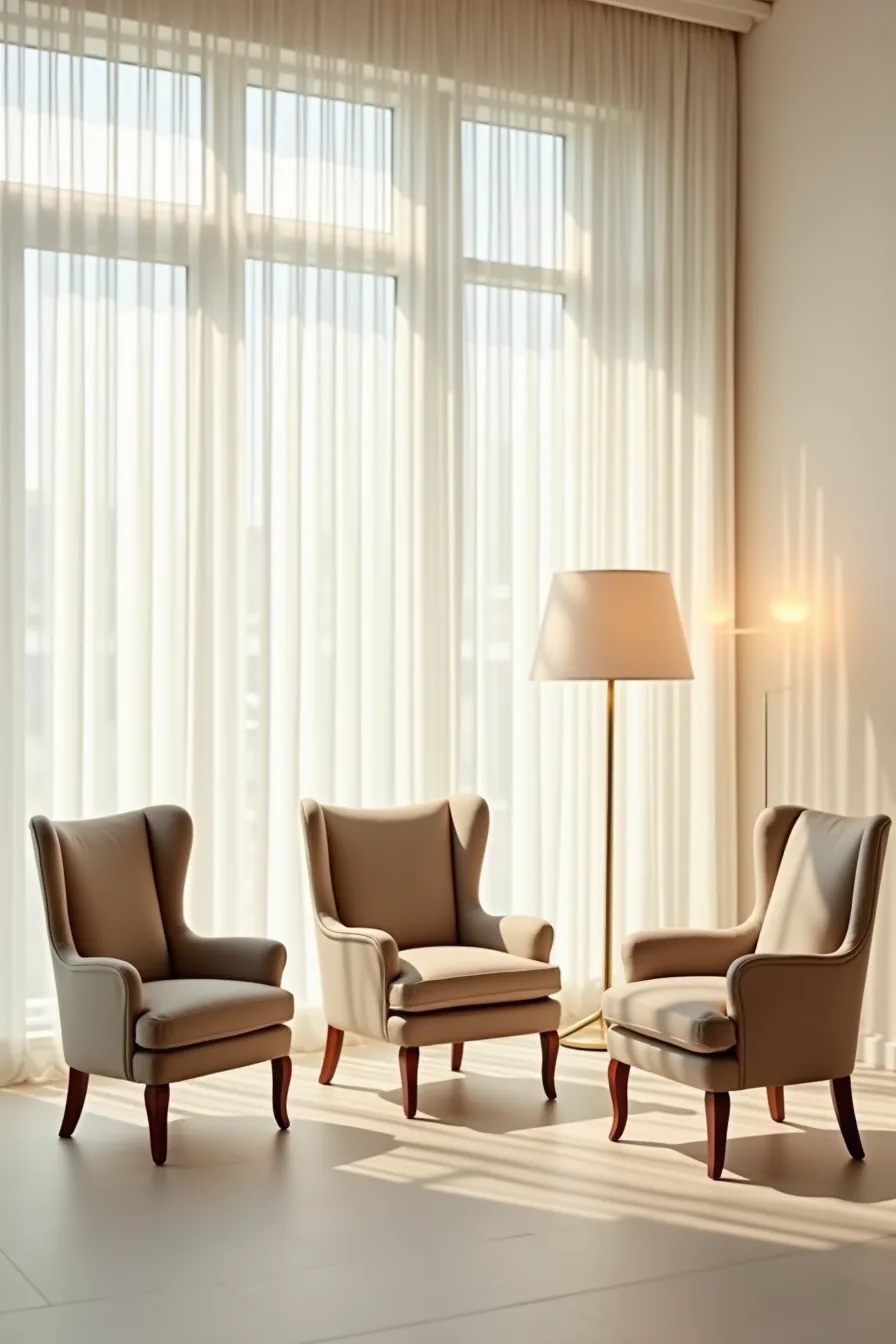
A compact wingback at roughly 28 inches wide suits rooms under 120 square feet. Keep the seat height between 18 and 20 inches, standard for most adults, and the arm width under 6 inches so the chair doesn’t block a narrow hallway or crowd a reading corner. The floor baseline stays visible around the legs, which visually lightens the piece.
For a medium living area (150–250 sq ft), a standard club chair around 36 inches wide hits the proportional sweet spot. Match the arm height to your sofa’s arm height within 2 inches to create a cohesive seating group; mismatched heights make the arrangement feel accidental. A 21–23 inch seat depth works for most body types, but add 2 inches if you’re over 6 feet tall.
An oversized throne chair near 48 inches wide demands a large open room, 300 square feet or more, with at least 36 inches of clearance in front for circulation. In any size, the chair’s total height shouldn’t exceed 70 percent of your wall height; otherwise, the piece dominates rather than anchors the space.
Traditional vs Modern Throne Interpretations
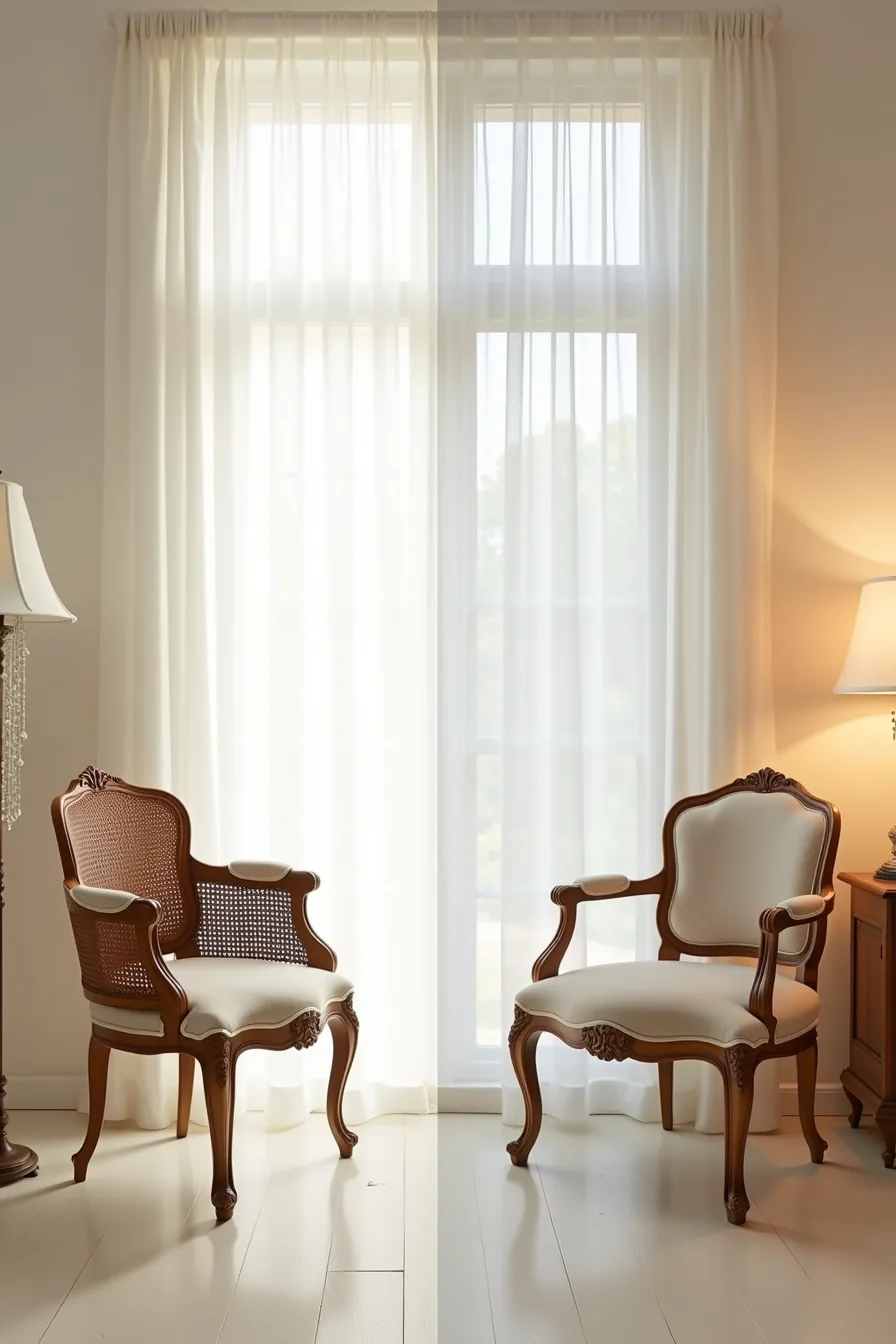
A traditional throne chair leans on dense surface detail: deep hand-carved motifs, scrolled arms, and cabriole legs that terminate in padded or claw feet. The upholstery is typically velvet or damask in jewel tones, and the frame itself carries most of the visual weight. This interpretation suits formal living rooms, studies, or entry spaces where the chair acts as a statement piece rather than daily seating, expect to treat the carving with periodic wax or polish to prevent dust buildup in the crevices.
The modern counterpart strips the silhouette down to a simple wooden frame with minimal carving, upholstered in solid linen or wool. You still get the commanding presence of a high back and substantial scale, but the clean lines let the chair sit comfortably in a Scandinavian, Japandi, or contemporary-industrial room without competing with other furniture. A modern throne works well as a reading chair in a bedroom or a single accent in an open-plan living area where ornate detail would feel cluttered.
Choose the traditional route if you want a heritage focal point; choose the modern if you need versatility across changing decor styles.
Budget, Rental, and Investment Routes
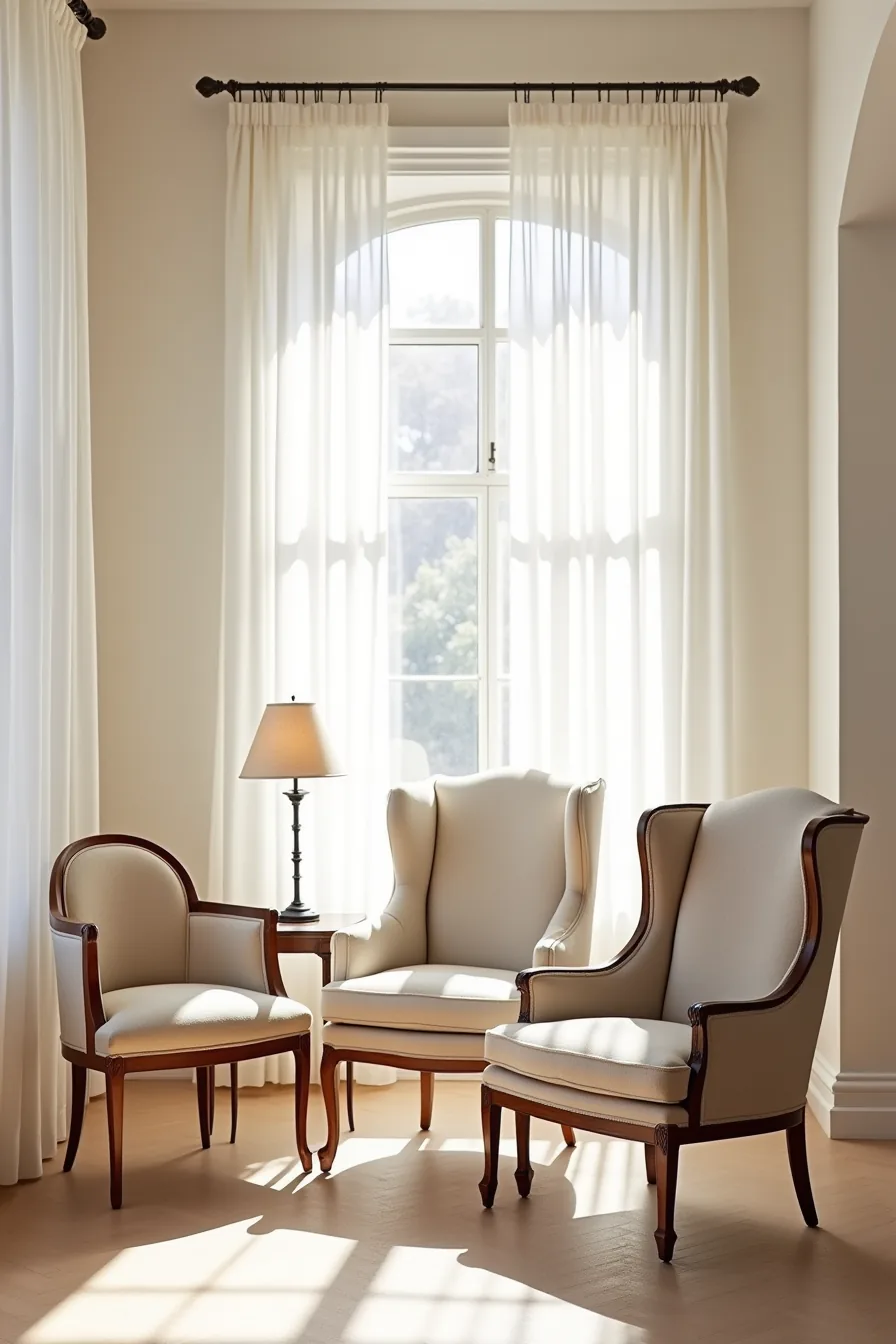
Your budget route starts with a reupholstered vintage frame. Source a solid-wood chair from a thrift store or estate sale for $100–$300, then spend $400–$800 on new basic fabric and foam. The total lands well under a new designer piece, and you control the color palette, choose a durable performance velvet if you’ve pets or high traffic.
The trade-off is time: expect a 3–6 week wait for a professional upholsterer, and inspect the frame for loose joints before committing.
A mid-range contemporary wingback in neutral upholstery offers the renter-friendly middle ground. Look for pieces in the $600–$1,500 range with removable, washable cushion covers and a kiln-dried hardwood frame, these hold up for 5–10 years of daily use without dominating your deposit. Choose a light gray or oatmeal tone that works across rental wall colors, and skip nailhead trim if you plan to move the chair frequently; the detailing can loosen during transport.
For a long-term investment, a carved mahogany chair with detailed cushioning and trim typically runs $2,500–$6,000 from a reputable maker. The solid-wood joinery and hand-tied springs justify the price, this piece should outlast two decades of regular use and can be reupholstered twice before the frame needs attention. You’re paying for structural longevity, not just ornament; verify the carving is solid wood rather than applied resin composite.
Budget an extra $200–$400 for professional delivery and placement, since these chairs rarely fit through standard doorways without careful maneuvering.
Placement, Maintenance, and Room Integration
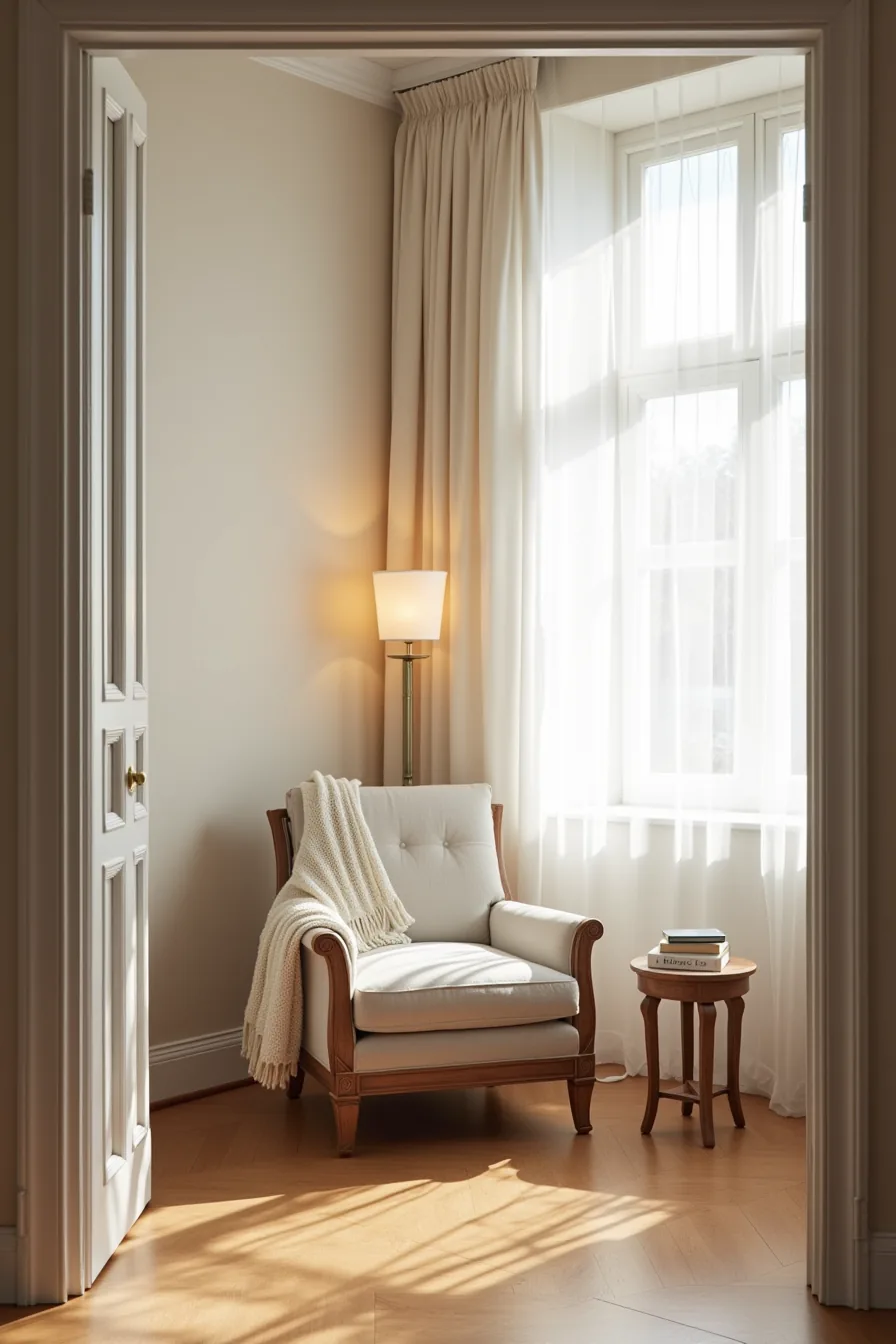
Position the chair at a 30–45 degree angle toward the room’s center rather than flat against a wall. This orientation invites conversation while keeping the piece visually anchored. In a corner arrangement, pair your royal chair with a side table on the arm side (not the entry side) and a floor lamp placed slightly behind the shoulder line, this creates a functional reading or conversation nook without blocking traffic paths.
Leave at least 18–24 inches of clearance in front for comfortable standing and sitting.
Maintenance depends entirely on your upholstery choice. Performance velvet and microfiber blends resist staining but still need a weekly vacuum with an upholstery attachment to prevent dirt from grinding into the fibers. For removable cushion covers, wash them every 3–4 months on a cold, gentle cycle, then air-dry flat to prevent shrinkage.
Spot-clean spills within 60 seconds using a mild detergent and cold water, never rub, which spreads the stain; blot instead. Rotate cushions monthly if they’re reversible to ensure even wear, and keep the chair at least 12 inches from radiators or direct sunlight to prevent fabric fading and wood drying.
Prevent isolation by echoing one material or color from the chair elsewhere in the room. Match the wood tone to your coffee table, or repeat the chair’s primary fabric color in throw pillows on a nearby sofa. Drape a throw blanket over one arm in a contrasting texture, this softens the formal silhouette and signals the chair is for use, not display.
The side table should hold a functional item (a lamp, a book, a drink coaster), not decorative clutter, so the arrangement reads as intentional rather than staged.
What to do first
Before you shop, measure your room’s floor area and ceiling height. A royal chair needs 24-36 inches of clear space in front for comfortable sitting and standing, plus breathing room around its arms. If you’re renting, prioritize peel-and-stick molding and a slipcover over permanent upholstery, you can transform a $150 thrift-store find without losing your deposit.
Start with one piece: choose a wingback with carved wooden legs, place it at a 45-degree angle to your sofa, and anchor it with a small side table. That single seating corner will tell you whether the scale works before you invest further.
Frequently Asked Questions
What is Royal Chair Design and how does it differ from a regular armchair?
It’s a statement piece defined by a high, often winged back, pronounced arms, and ornate detailing, carved wood, tufting, or metallic trim. A regular armchair prioritizes compact comfort; this prioritizes visual dominance and ceremonial presence.
Can I fit a Royal Chair Design in a small bedroom or apartment?
Yes, if you choose a compact version under 30 inches wide with a low, open base. Place it angled in a corner, not against a busy wall, and skip a matching ottoman to preserve walking space.
How do I keep a dramatically upholstered royal chair clean without professional cleaning every month?
Vacuum weekly with a brush attachment, blot spills immediately with a dry cloth, and use a removable, washable slipcover on seat cushions. For high-traffic areas, apply a fabric protector spray rated for your upholstery type every six months.
Is a carved wooden frame royal chair better than an upholstered modern one for a refined interior?
Only if your room has existing traditional cues, wainscoting, antique rugs, or period lighting. A carved frame adds gravitas but costs more and needs yearly dusting of crevices; a modern upholstered version reads refined in minimalist spaces and hides wear better.