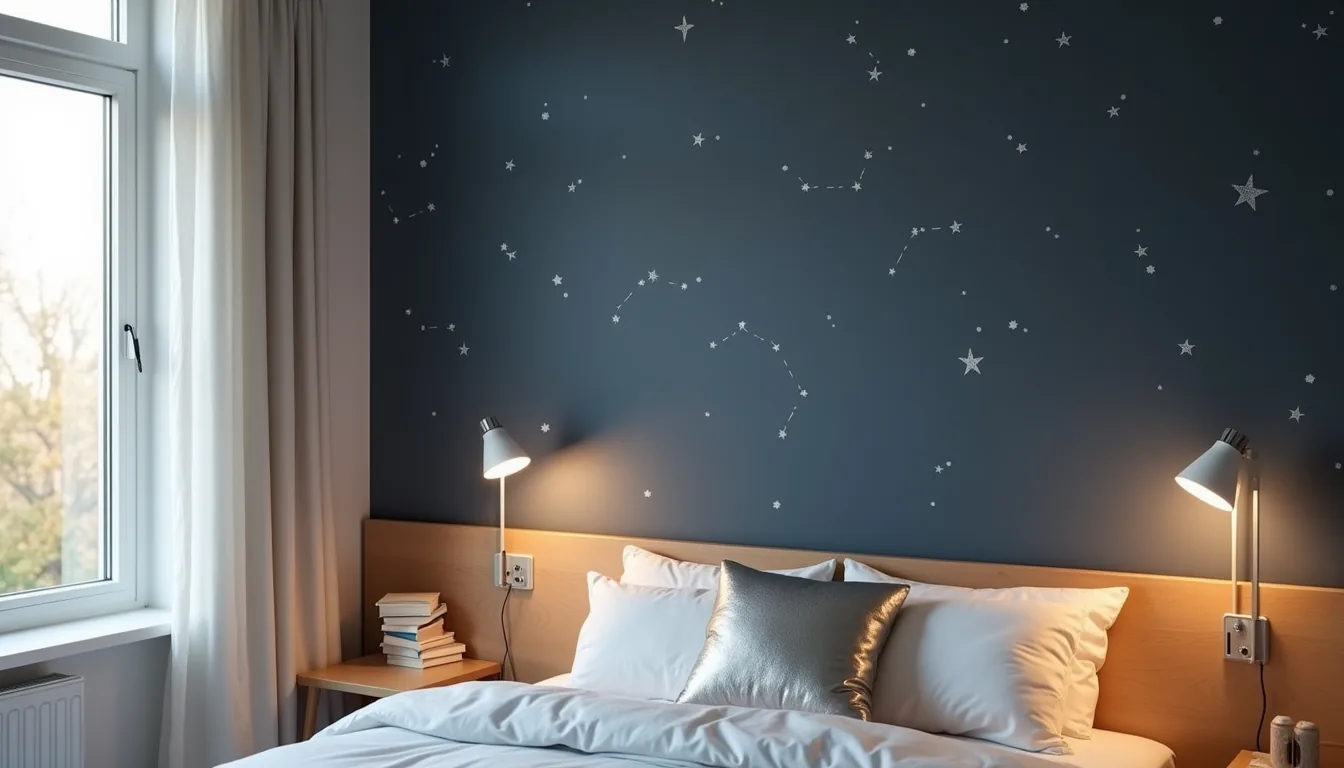
A space themed bedroom isn’t a single look, it’s a design system that ranges from a few glowing stars on a ceiling to a full-scale observatory with motorized projection and acoustic paneling. The practical difference comes down to how much light control, surface area, and budget you can commit. This guide breaks down six distinct interpretations, each matched to a specific room size and lifestyle, so you can pick a direction without overbuilding.
Key takeaways
- Anchor the room with a 3D or glow-in-the-dark ceiling treatment, which visually expands small spaces and costs $50–$200 in materials.
- Layer lighting strategically with dimmable LED strip lights under bed frames and ceilings, plus a single star projector, to achieve ambient effect without harsh overhead glare.
- Match scale to age by using bold, graphic wall decals for kids under 10, then swapping to metallic accents and constellation maps for teens, no full redecoration needed.
- Choose your route first: peel-and-stick wallpaper and removable decals suit renters, blackout curtains and adhesive film work under $100 budgets, while recessed lighting and custom murals are the long-term investment.
Astronomical Ceiling as Your Anchor
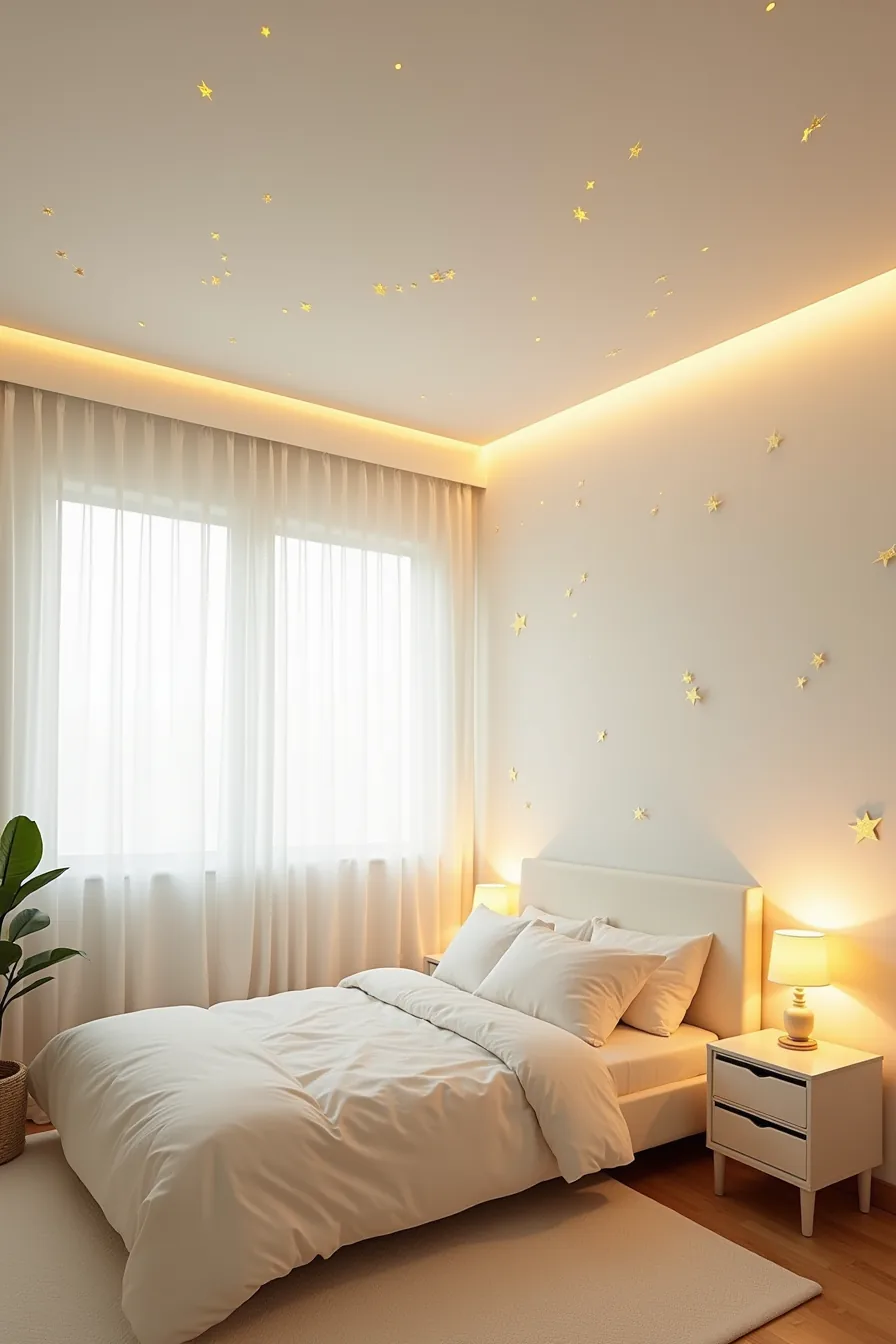
The ceiling offers the most immersive canvas in a space themed bedroom because it dominates your field of view from bed. A white base coat with glow-in-the-dark paint applied in constellation clusters creates a layered night sky, while adhesive vinyl star decals in varied sizes add depth without requiring artistic skill. The warm LED strip light running along the crown molding perimeter frames the scene and provides a soft transition to the walls, preventing the dark ceiling from feeling like a cave.
This approach suits small rooms particularly well, since it draws the eye upward and makes the space feel taller than it’s. In larger bedrooms, scale up the constellation clusters and increase decal density toward the center to avoid a sparse look. Expect to spend two to four hours painting the clusters, but skip the glow paint if you need total darkness for sleep, it emits a faint green luminescence for roughly 30 to 60 minutes after lights-out.
Subtle Space Theme Through Color and Texture
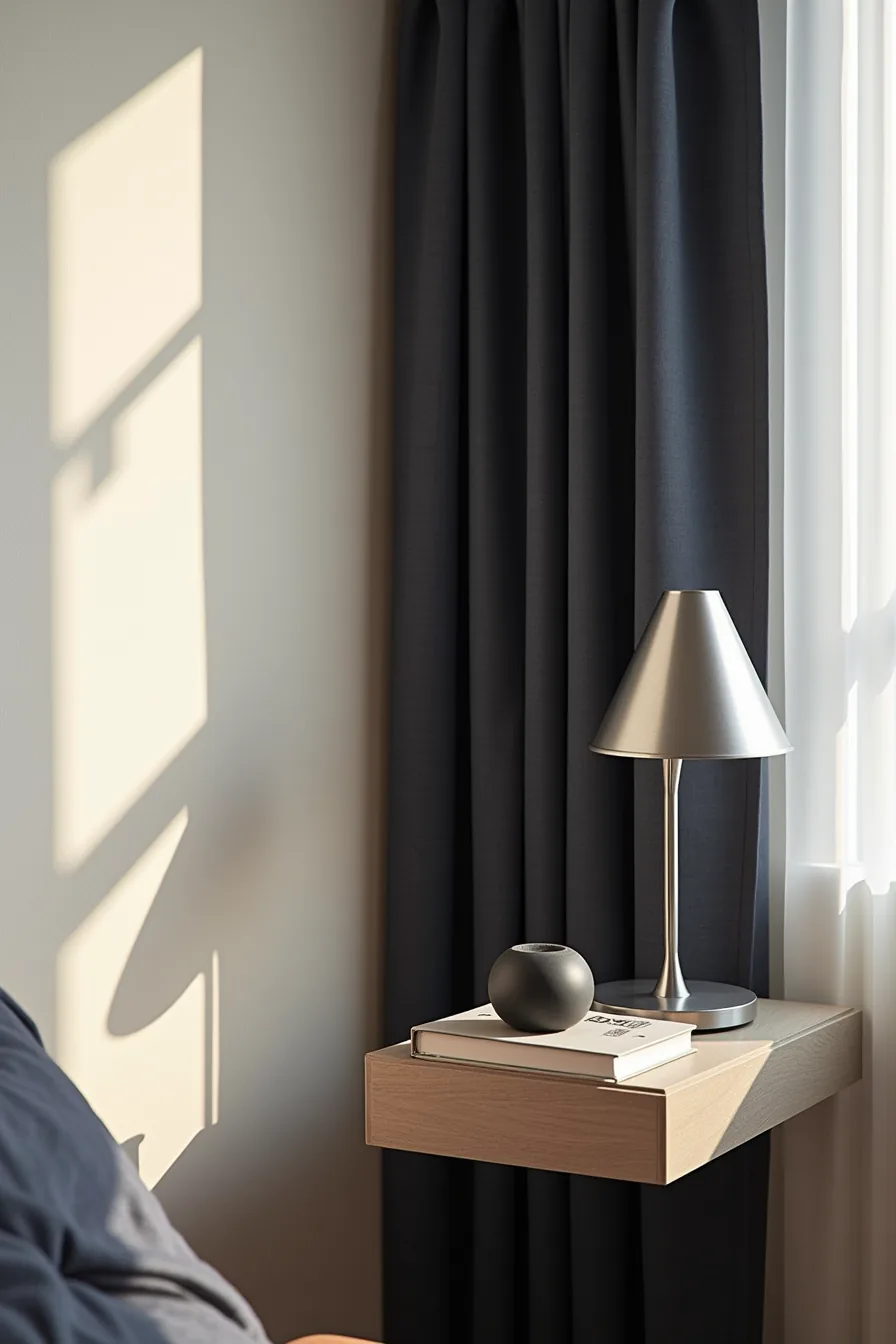
A subtle space theme avoids literal planets and rockets entirely, relying instead on a palette pulled from deep-sky photography: charcoal, navy, and brushed metals. Texture carries the motif, a charcoal wall with a rough, plaster-like finish evokes the moon’s surface, while navy linen curtains with a tight geometric weave catch afternoon light and shift tone like a nebula.
The corner setup works because nothing is literal. A brushed-silver metal floating shelf anchors the wall, holding a matte black ceramic sphere that stands in for a celestial body without announcing itself, beside a polished chrome desk lamp whose reflective base picks up the navy from the curtains. This suits teens and adults who want the atmosphere of space without a themed bedroom that feels juvenile or dated.
Reproduce it with one textured accent wall, expect to pay 20–40% more for textured paint or specialized wall panels over standard flat paint. Keep the remaining walls in matte off-white or light gray to prevent the charcoal from shrinking the room visually, and choose curtain fabric with at least a 2–3% natural fiber content for that subtle irregular weave.
Night-Sky Lighting Ideas for Ambient Effect
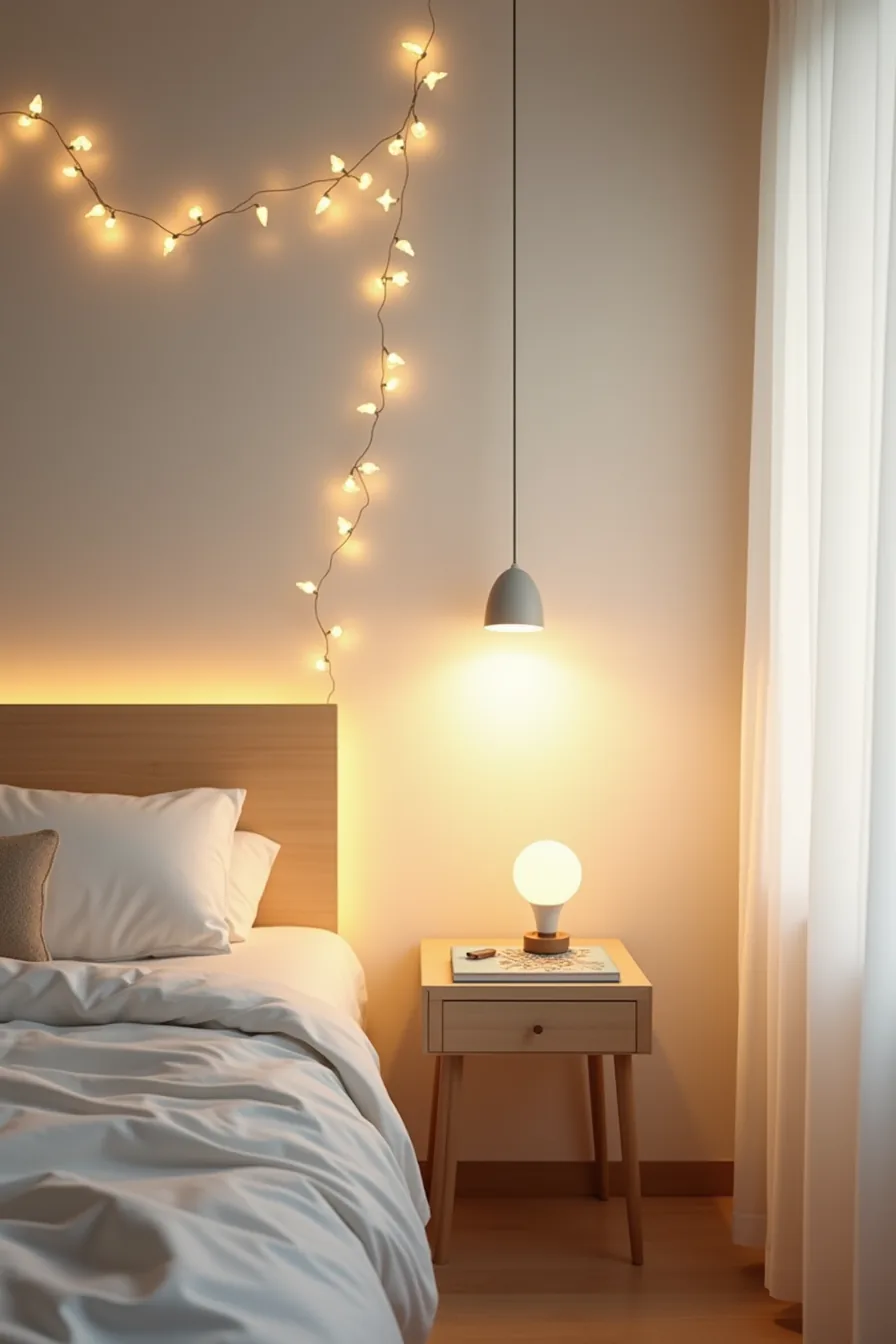
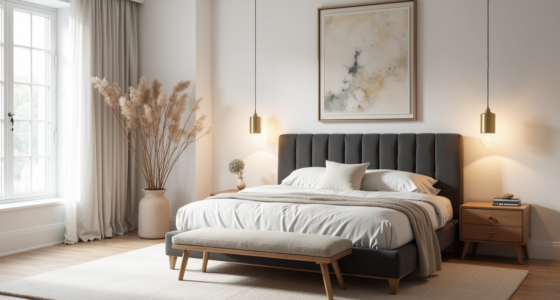
Layered lighting reproduces a credible night sky while keeping the room functional. Mount a fiber-optic panel behind the headboard, a 24- by 18-inch panel typically runs $60–$120 and casts 200–400 pinpoint dots that pass for stars without glare. Pair it with a table lamp fitted with a smart RGB bulb set to a warm white, not the clichéd blue, during reading hours; you can lower the bulb to a dim amber for a post-sunset glow that doesn’t punish your circadian rhythm.
Add LED star string lights draped loosely across the upper wall corner to create depth the panel can’t. Keep them 6–10 inches from the ceiling, and avoid wall-to-wall runs, which flatten the effect into one glowing grid. You’ll need one outlet per layer, so plan for a six-outlet strip with a switch you can reach without climbing the bed.
Furniture and Decor Placement for Small Spaces
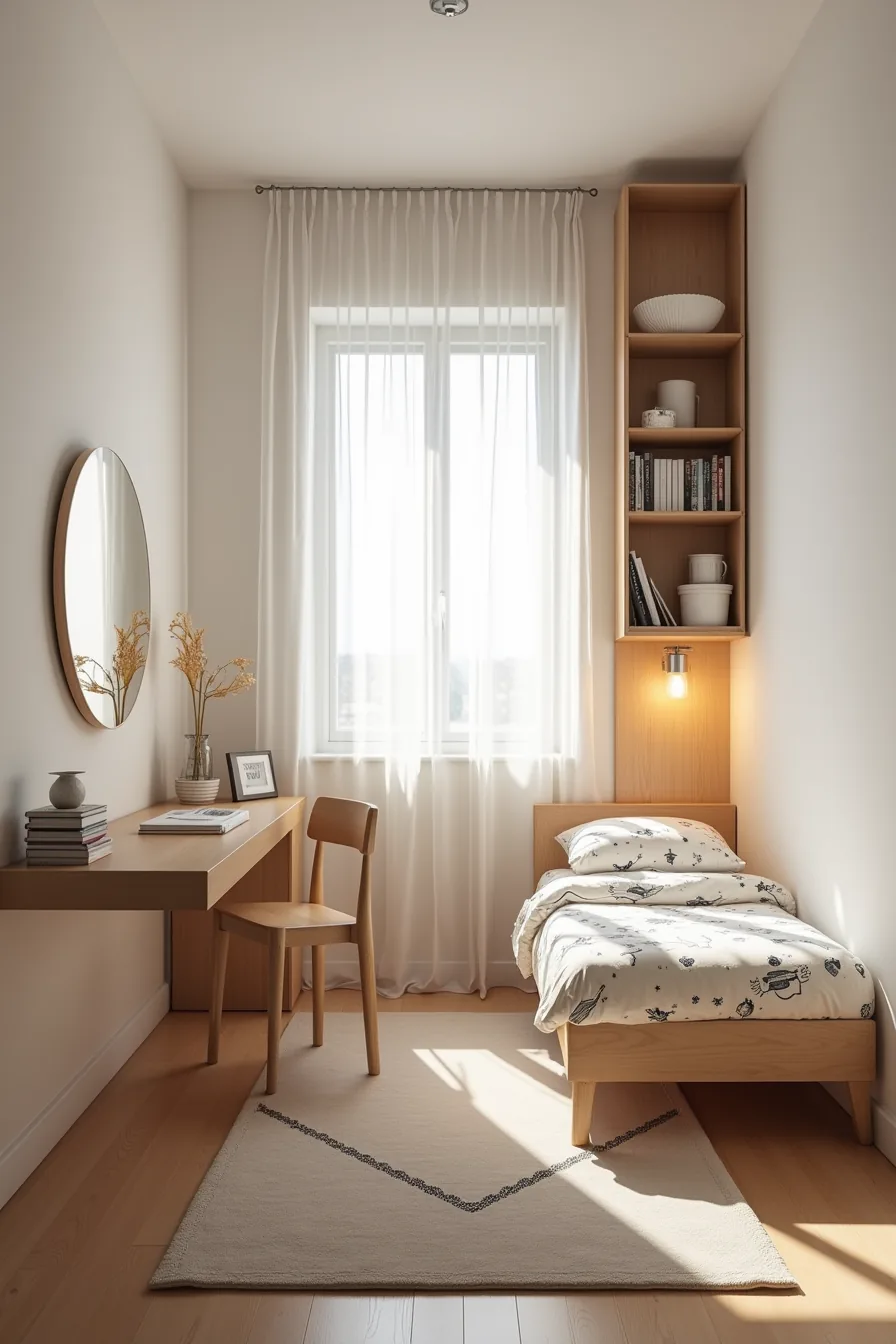
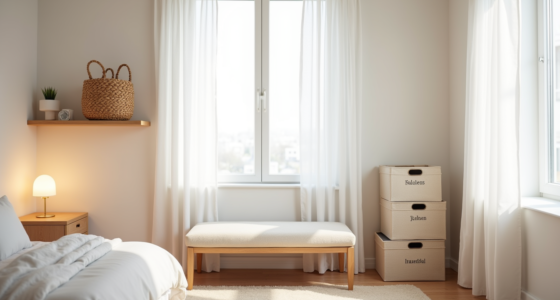
A compact room forces you to think vertically before you add a single astronaut figurine. Mount a floating desk along one wall, a 40- to 48-inch surface sits one person comfortably without eating floor area, and stack a vertical shelving unit beside it. Fill the lower shelves with solid storage boxes to hide clutter, then reserve the top two tiers for your space-themed pieces: a small rocket model, a stack of astronomy books, a framed star chart.
This keeps the theme at eye level where it reads intentionally, not scattered at ankle height where it adds visual noise.
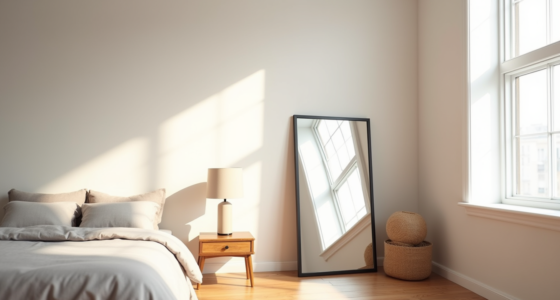
On the opposite wall, hang a metallic-frame accent mirror sized at roughly 60–70 percent of the bed’s width. It bounces window light across the room and makes the perceived depth increase by a noticeable margin, a trick that matters more than any glow-in-the-dark decal in a tight footprint. Keep the floor plane clear between the bed and desk: a continuous walking path of at least 24 inches prevents the room from feeling like an obstacle course.
A single twin bed with a space-themed throw blanket anchors the look without demanding square footage, and the mirror’s reflection doubles the visual interest of the shelving display behind you.
Kids Room vs. Teen Room: Age-Appropriate Styling
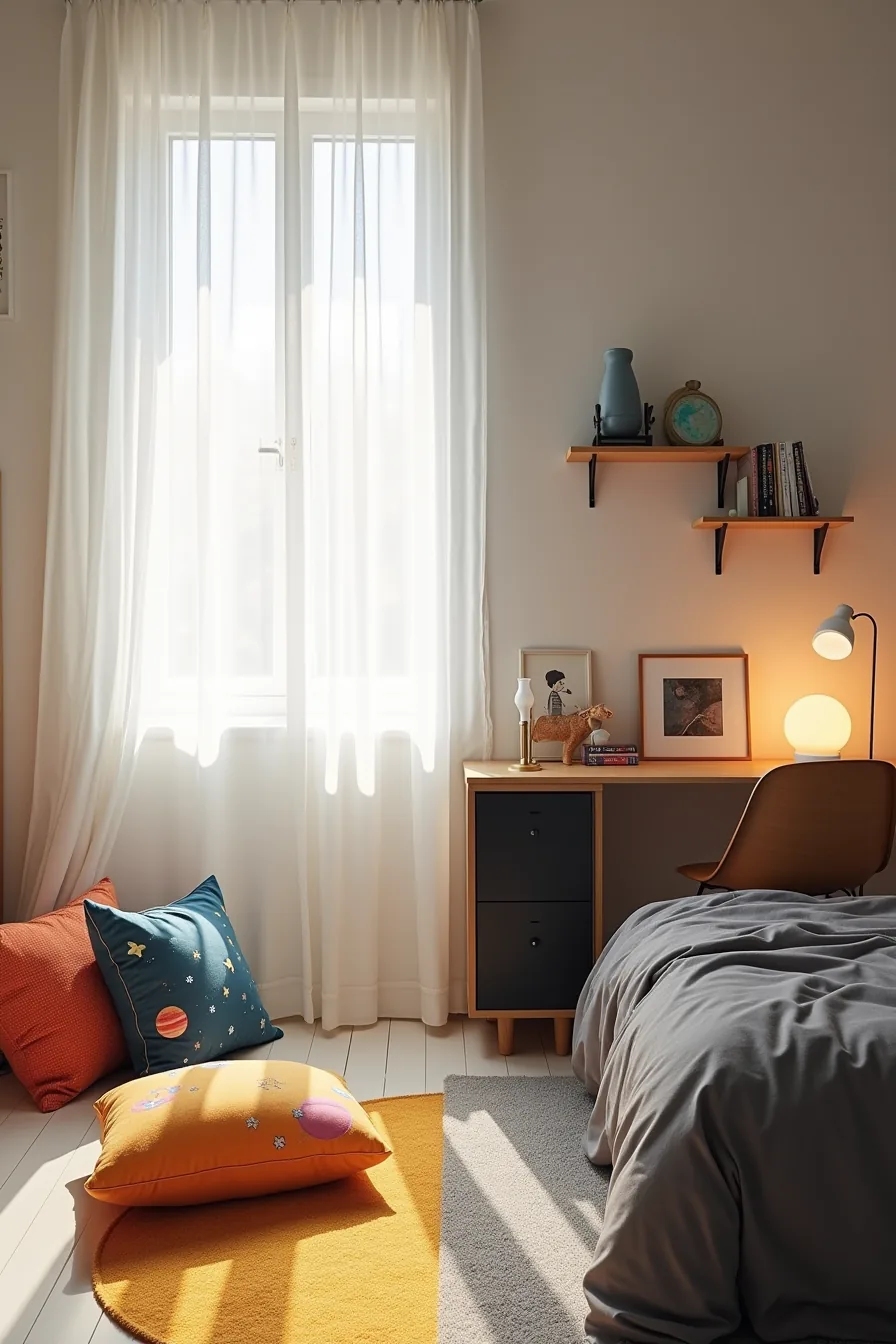
For a child under eight, prioritize tactile interaction over visual accuracy. Planet pillows scattered on the floor create a soft landing zone for play, while glow-in-the-dark sticker stars on the ceiling deliver a payoff only after lights-out, a bedtime motivator that costs under $20 and peels off without damaging paint. Anchor the space with a bright primary-color rug that hides juice spills and marker accidents; choose a low-pile polypropylene option that wipes clean rather than a wool version that stains permanently.
A teenager needs the same theme executed with restraint. Swap the colorful pillows for a single monochrome planet model on a matte black shelf, it reads as décor rather than toy. Charcoal bedding without visible patterns keeps the room calm enough for homework and sleep, while the space motif lives in the room’s architecture: a blackout curtain liner printed with a faint star map or a desk lamp with an industrial, NASA-inspired arm.
The rule of thumb: kids get interactive elements at floor level, teens get statement pieces at eye level. If you’re styling a room that must serve both ages, keep the walls neutral and change only the accessories, that transition costs under $100 and takes an afternoon.
Budget, Renter, and Investment Routes
Path one costs under $200 and takes under an hour: adhesive vinyl stars and planets in glow or matte white, applied directly to a standard painted wall. They peel off in seconds when the lease ends, but they read flat up close and lose the depth that painted gradients provide.
Path two uses semi-permanent fabric panels in navy, fixed with command strips distributed every 6–8 inches along edges. Fabric at 8–10 ounces per square yard hangs without sagging, camouflages cracks or patched holes, and removes cleanly after 18 months. Expect $120–$180 in materials for a 10-by-8-foot feature wall, your security deposit stays intact.
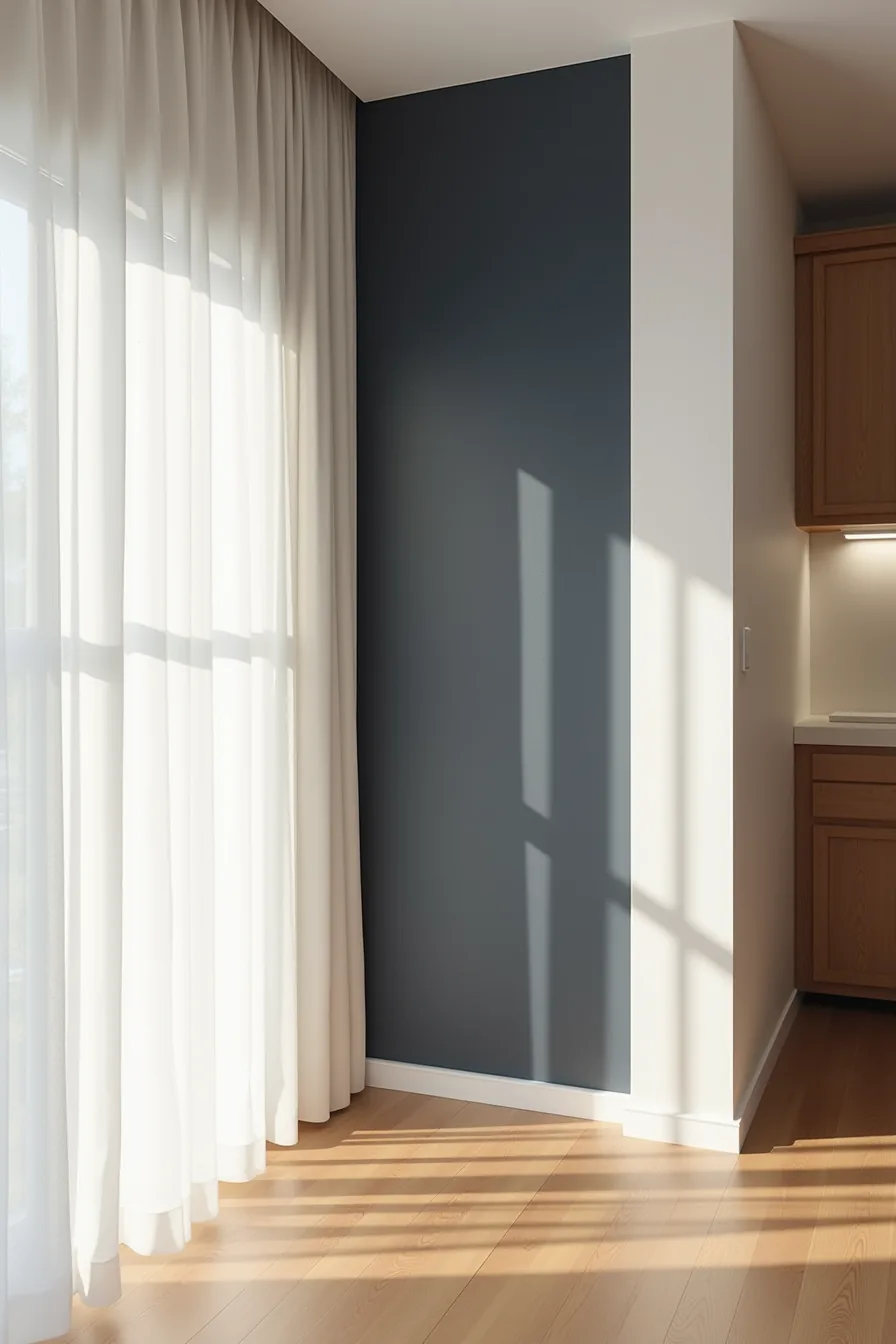
Path three is permanent: deep-charcoal paint at a matte finish (touching up chips on matte is impossible without repainting the full wall, so account for that maintenance) with recessed lights installed above a blackout curtain rail. Expect decades of service from the lighting and 5–7 years before the paint needs re-rolling. You’ll pay $600–$900 for materials and professional install, but the effect is a smooth night-sky wash that no peel-and-stick product matches.
Choose this route only if you own the home or have a landlord who writes off improvements against rent.
Your first move
Start with the wall. It carries 60 percent of the visual weight in any bedroom, so a single dramatic change there sets the entire tone. Choose your route based on your lease and budget before buying anything else.
If you rent, peel-and-stick murals or removable star decals cost $30–$150 and come off cleanly with a hairdryer. If you own, matte navy paint at $40–$60 per gallon plus a $20–$40 glow-in-the-dark star kit gives you the same effect with zero residue concerns.
Measure your accent wall tonight, width and height, then order one product that fits it. That single purchase turns an abstract idea into a concrete plan you can build on tomorrow.
Frequently Asked Questions
What’s the difference between a space themed bedroom and a galaxy bedroom?
A space themed bedroom features rockets, planets, and astronauts as focal objects. A galaxy bedroom emphasizes swirling nebula colors and starfields across walls or ceilings, often using projection or murals. Both overlap, but space leans structural, galaxy leans atmospheric.
Can you create a space themed bedroom in a room with low ceilings?
Yes. Skip hanging planets or mobiles that drop below 7 feet. Instead, use wall-mounted decals, a ceiling-projected starfield, or a low-profile rocket shelf.
Keep bulky furniture under 30 inches tall to preserve visual headroom.
How do you maintain glow-in-the-dark paint and LED lighting in a space themed bedroom?
Glow paint needs 4-6 hours of bright light daily to charge; reapply every 2-3 years. LED strips last 25,000-50,000 hours, but clean dust from adhesive channels monthly to prevent overheating. Replace batteries in wireless controllers yearly.
Is a space themed bedroom suitable for a master bedroom, or only for kids?
It suits adults if you mute the palette. Choose charcoal walls, brass accents, and a single statement piece like a moon lamp. Avoid toy-like rockets and primary colors to keep the room restful and sophisticated.