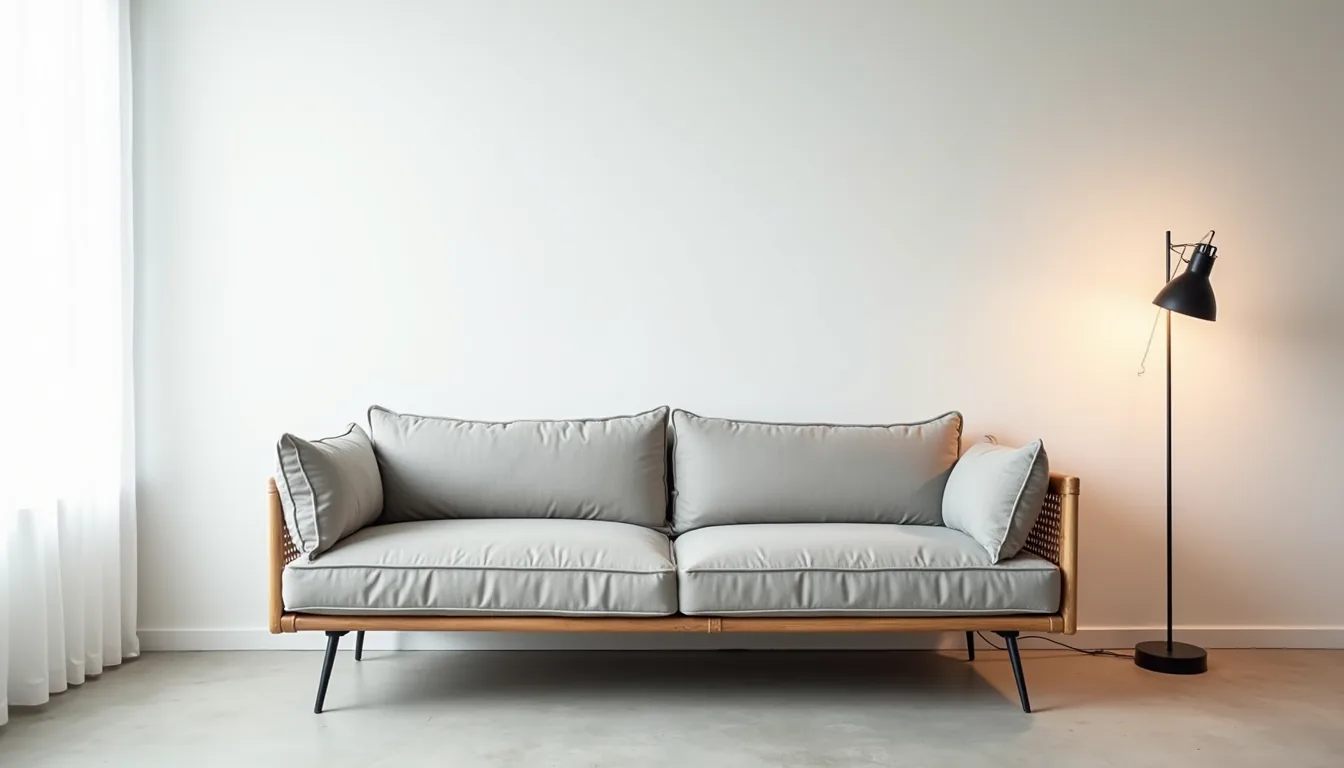
A steel sofa pairs a rigid metal frame with substantial cushions, giving you seating that shrugs off scratches, pets, and daily use while anchoring a room with an unmistakable industrial edge. What follows are six distinct interpretations, from budget builds to heirloom-grade investments, each with the exact dimensions, materials, and maintenance trade-offs you need to decide if this look fits your floor plan, your lifestyle, and your tolerance for cold metal against bare skin.
Key takeaways
Slim-frame steel sofas work best in tight spaces when paired with 3- to 4-inch cushions, keeping the visual weight low without sacrificing sit comfort. Steel plus thick cushions (6 inches or more) delivers both the industrial edge and the lounging ease most households need for daily use. Raw steel finishes require regular oiling or waxing every few months to prevent rust, while powder-coated options need almost no upkeep. For renters or budget buyers, look for modular steel frames with bolt-together joints, they disassemble into flat pieces that move through narrow doorways and stairwells.
Slim Frame Aesthetic with Minimal Cushioning
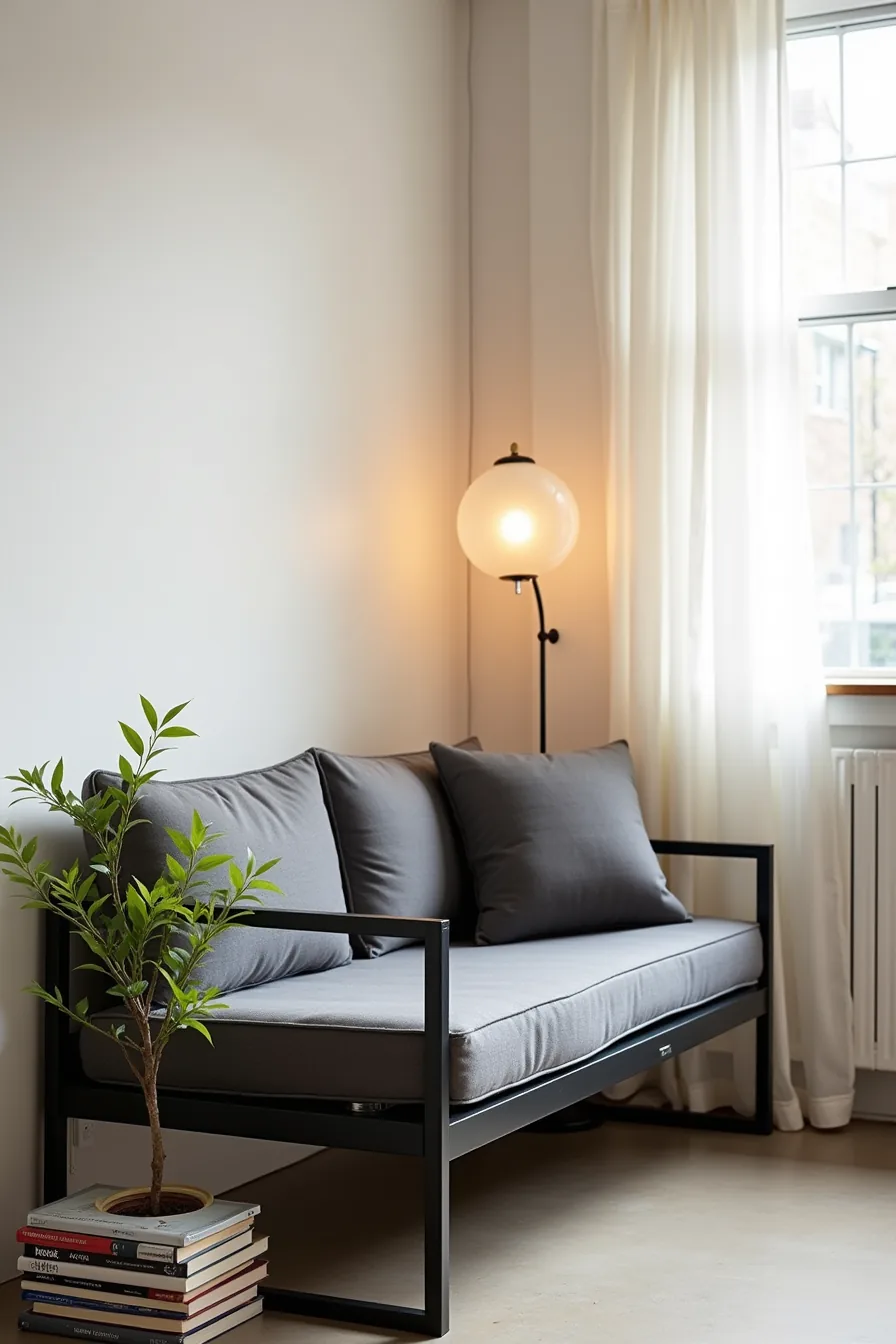
A narrow steel frame loveseat with charcoal linen cushions delivers the visual weight of a bench while keeping sightlines open, critical when floor space is measured in inches. The exposed welded joints aren’t flaws; they’re the design’s structural honesty, so look for clean, consistent welds rather than hidden fasteners. You’ll gain roughly 6–8 inches of visual clearance compared to a skirted or fully upholstered piece, which makes a studio corner feel less crowded.
The potted fern beside the arm softens the industrial edge without competing with the frame’s geometry. This route suits minimalists who prioritize negative space, but budget for removable, dry-clean-only cushion covers, linen at this thickness wears faster than heavier canvas. Pair it with a polished concrete floor or wide-plank oak; anything busier will muddy the slim frame aesthetic.
Steel Plus Soft Cushions for Comfort and Edge
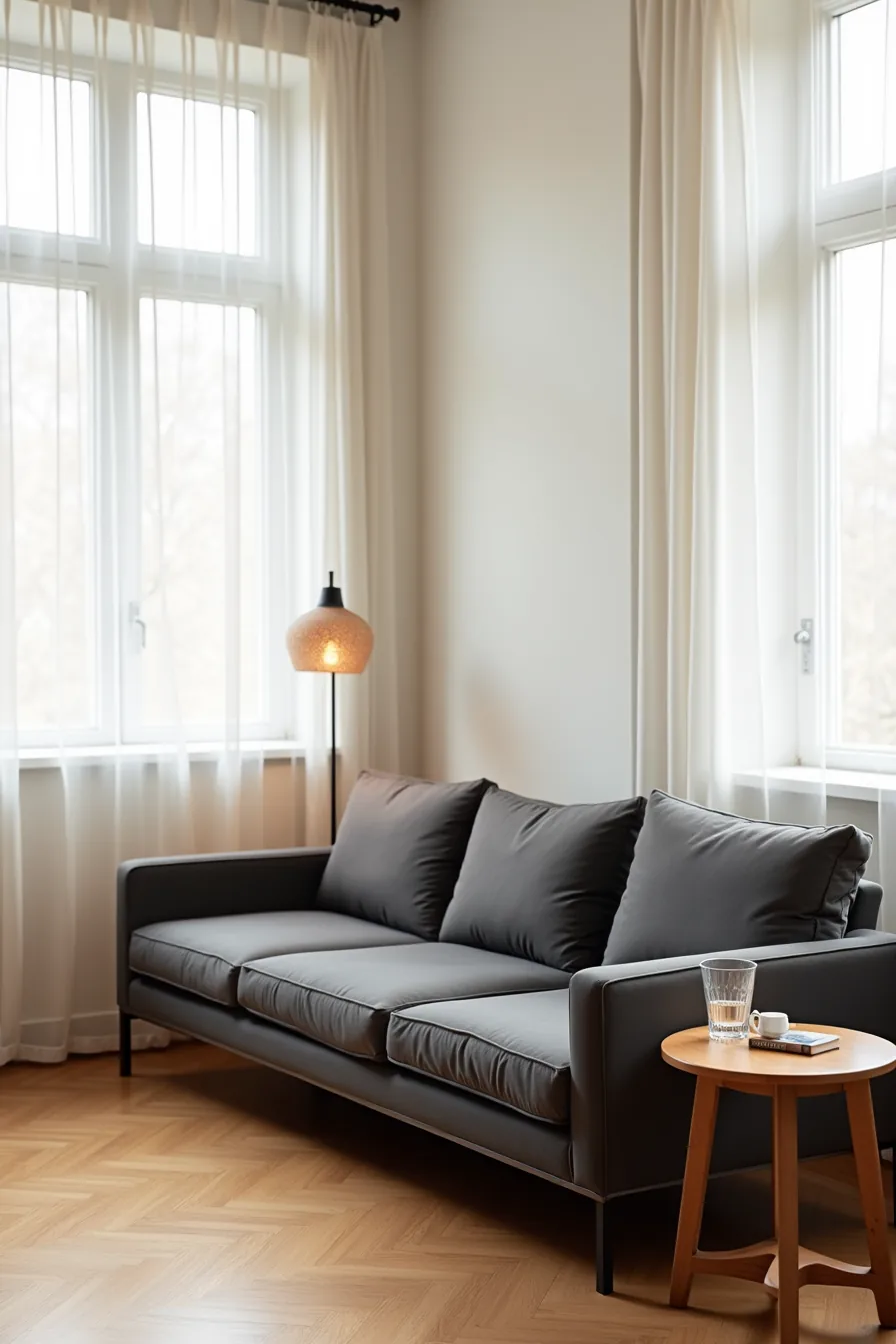
The steel plus soft cushions approach is where the material’s rigidity becomes a counterpoint to genuine lounging comfort. A matte black steel frame paired with deep charcoal upholstery lets the metal disappear into the background while the cushions carry the visual weight, creating a piece that reads modern but doesn’t punish your spine during a movie marathon. Brushed steel armrests offer a cool, smooth resting surface that contrasts with the plush seating, a tactile detail that prevents the sofa from feeling monotonously soft.
This combination works best in medium to large living rooms where you want a focal point that bridges industrial and cozy aesthetics. The key to this look is proportion: the seat cushion depth typically runs 22–24 inches to support proper sitting posture, while the back cushion angle should lean slightly, not bolt upright. You can pair it with a wooden side table to warm the metal’s starkness, but keep the overall palette muted, the steel frame handles the edge, so the surrounding decor doesn’t need to.
Budget for high-resilience foam cores wrapped in down-blend to avoid sagging; expect to pay 15–25 percent more than a fully upholstered equivalent, and plan for professional cushion rotation every six months. If you’re renting, this is a safer investment than exposed raw steel finishes because the upholstery softens the piece’s aesthetic, making it easier to integrate into a neutral, landlord-approved color scheme.
Modern Industrial Mood with Raw Steel Finishes
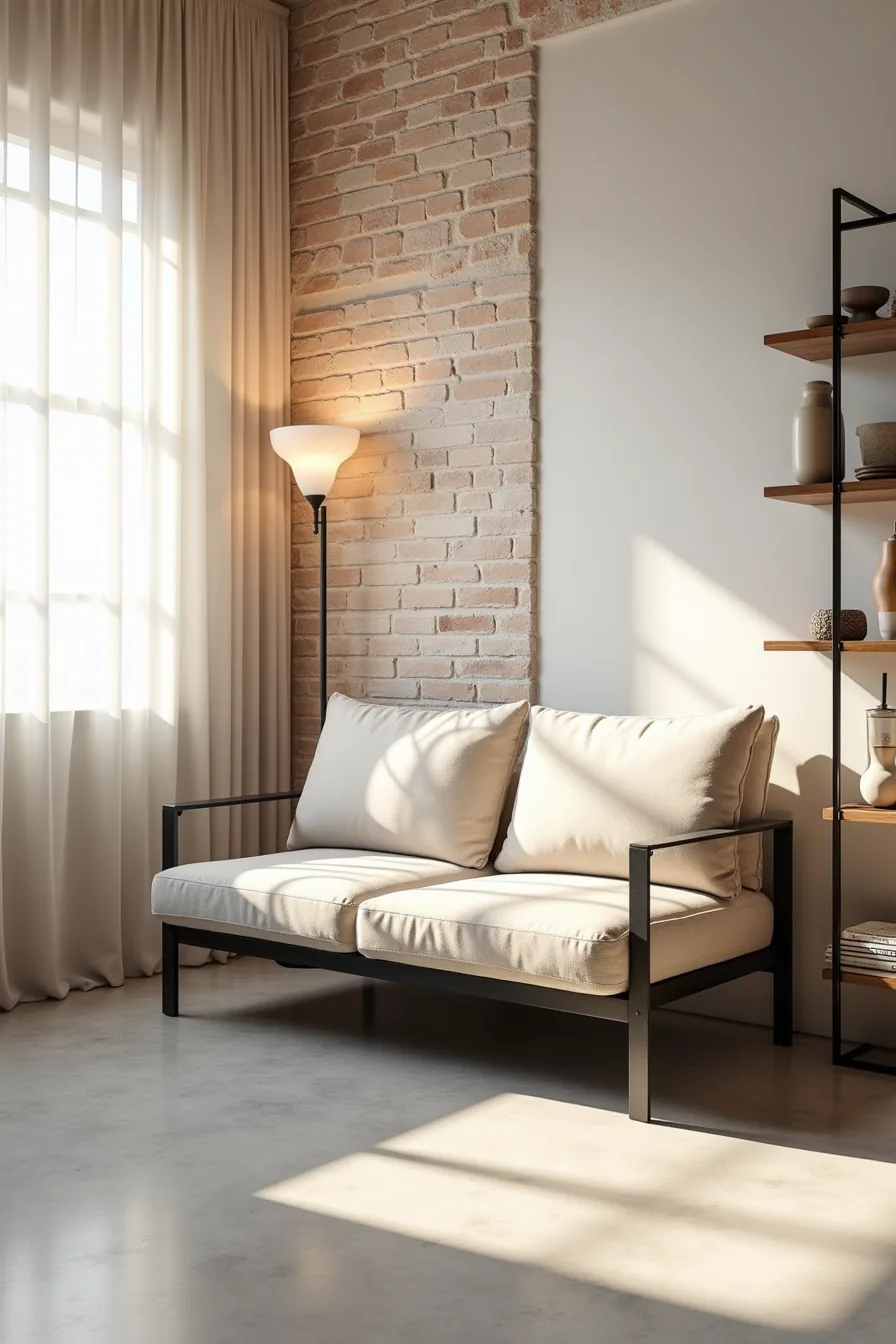
Raw steel finishes, whether left uncoated, powder-coated in matte graphite, or lightly brushed, deliver the modern industrial mood in its purest form. Unsealed steel develops a natural patina over time, deepening from silver to a warm gunmetal gray, but it also requires oiling every few months to prevent rust in humid climates. Powder-coated frames eliminate that maintenance entirely while keeping the same visual heft, making them the pragmatic choice for most homes.
This approach suits open-plan lofts and spaces with existing rugged textures: an exposed brick wall, a polished concrete floor, and a metal shelving unit stocked with ceramic vessels. The raw frame reads as architectural rather than decorative, so it demands minimal cushioning, think thin, firm seat pads around 4–6 inches thick rather than plush pillows. You’re choosing a statement piece over a lounger, so position it as a sculptural anchor opposite the room’s main sightline, never pushed against a wall where its profile disappears.
Pair it with warm wood or leather accents to prevent the space from feeling cold, and keep the palette to blacks, browns, and muted earth tones. At a typical cost range of $1,800–$3,500, this is a long-term investment route; custom fabrication shops can match your exact dimensions if standard sizes feel off, but expect 6–10 weeks lead time.
Steel Sofa Ideas for Small Loft Living
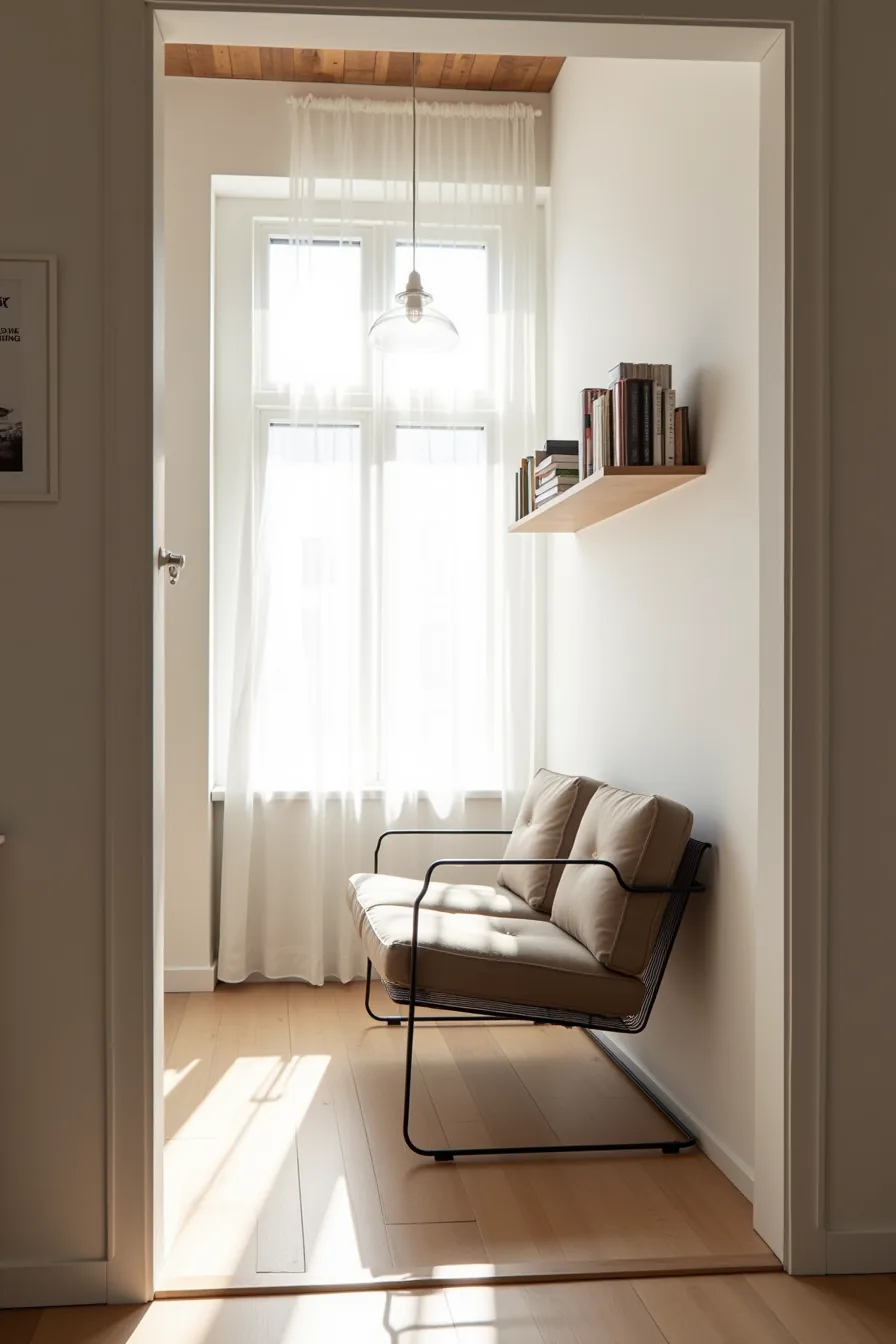
A compact steel sofa works in a tight footprint when you prioritize slim proportions over visual mass. Look for a two-seat frame with armrests no wider than 3–4 inches and a seat depth around 20–22 inches, which keeps the silhouette lean without sacrificing comfort. Position it perpendicular to a narrow window rather than flat against a wall; this opens the floor plane, lets natural light fall across the metal surface, and defines a seating zone without blocking circulation.
In a studio loft, mount a floating steel shelf directly above the sofa at 14–18 inches from the seat back. This reclaims vertical storage and draws the eye upward, making the ceiling feel higher. Choose a light powder-coat finish, off-white, pale gray, or warm sand, over dark tones to reduce visual weight against compact walls.
Keep the back cushion low, around 12–14 inches, so the frame remains the dominant line. A budget-friendly route is a stock two-seater in the $600–$1,000 range with a thin powder-coated frame; just verify the seat height matches your dining table height if you plan to double it as occasional seating.
Modular and Sectional Steel Configurations
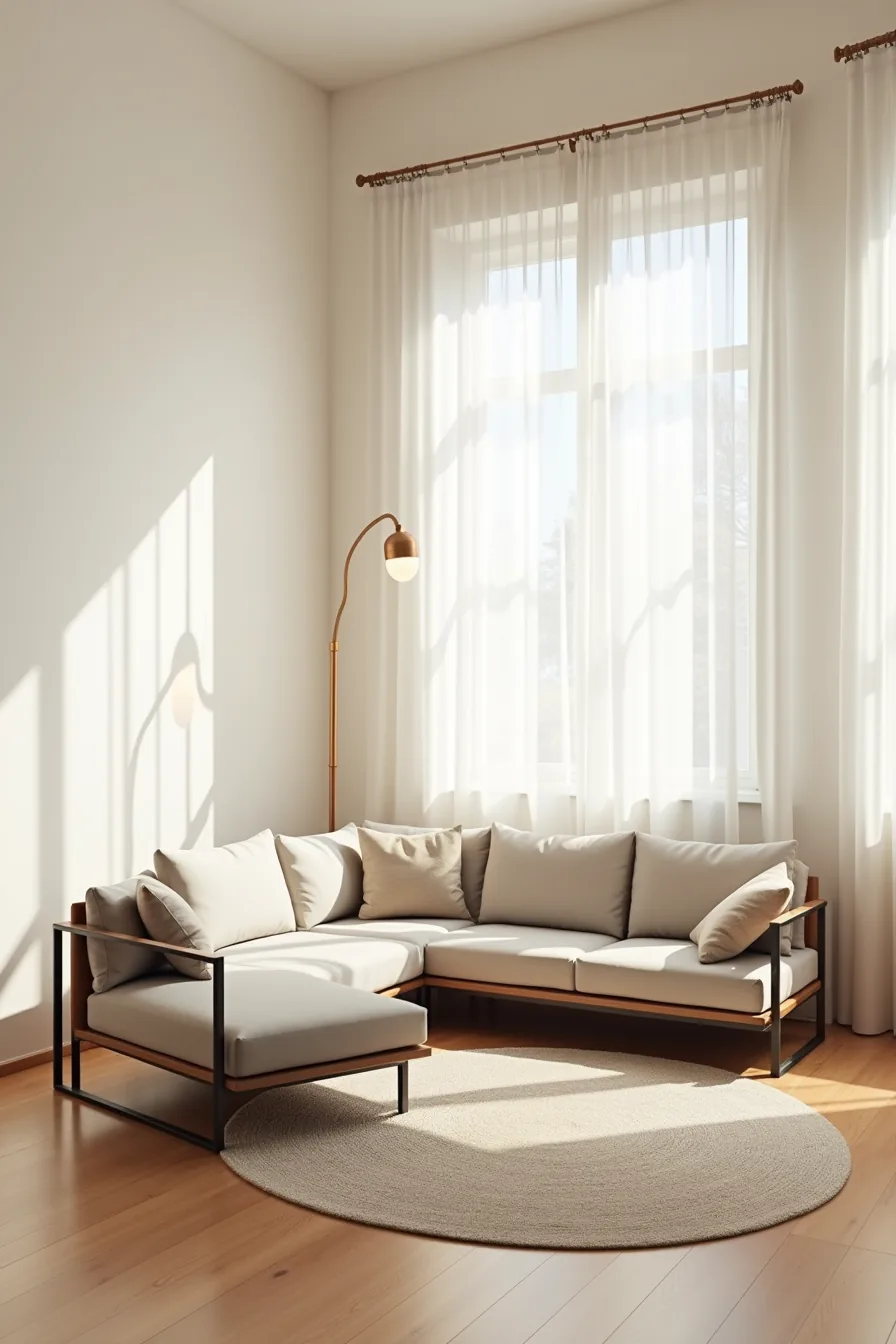
Steel-frame modular units solve the layout problem that fixed sofas create: they let you reconfigure seating when your room changes. The two-unit L-shape against perpendicular walls works because each module sits independently, so you can pull them apart for movie night or push them together for conversation. This arrangement suits open floor plans where you need to define a zone without building permanent walls.
Look for modules with clip-together connectors rated for repeated assembly, and confirm each piece has its own legs rather than relying on the adjacent unit for support. Renters benefit most here, you can disassemble and transport the units through narrow doorways and stairwells without a freight elevator. Expect to pay $400–$700 per module for a powder-coated frame with mid-grade foam cushions; the area rug underneath should extend at least 12 inches beyond the front edge so the configuration feels grounded rather than floating.
Choose neutral cushion covers if you anticipate swapping the layout, since reupholstering a corner piece costs more than re-covering a standard module.
Maintenance, Durability, and Long-Term Investment Choices

The welded seams on a steel frame determine its lifespan more than the gauge of the tubing. Check that each joint is fully fused, not spot-welded, the difference shows in this frame’s continuous bead, which distributes weight evenly across the arm. A powder-coated finish like this one resists chipping far better than paint, but it still scratches if you drag the sofa across tile.
Touch up any bare metal with a matching appliance epoxy within a week, or rust will start where the coating breaks.
For weekly care, wipe the frame with a barely damp microfiber cloth and vacuum the fabric joint crevices using a small brush attachment, crumbs accumulate exactly where the cushion meets the steel, and trapped grit will wear through upholstery over time. Never use steel wool or abrasive cleaners on the powder coat; they leave micro-scratches that collect dirt permanently.
A quality steel sofa justifies its cost when you plan to keep it 10-plus years. Budget frames with 1.0-mm wall tubing and 1.5-lb density foam will sag at the seat within three years of daily use. The long-term investment route: pay $1,200–$2,500 for 1.5-mm wall thickness, high-resiliency foam, and replaceable cushion covers.
You can re-cover the cushions twice before the frame itself needs attention, which makes the per-year cost comparable to a mid-range upholstered sofa that ends up in a landfill after five.
Your decision checklist
Before you buy, verify four things: seat depth (most run 22–26 inches), back height (28–34 inches suits average adults), weight rating (check the frame warranty), and delivery access (steel sofas often arrive assembled and won’t fit narrow stairwells). Measure your doorways and elevator dimensions first.
Match the finish to your lifestyle, powder-coated matte black hides fingerprints but shows dust; brushed steel suits low-traffic rooms.
If you’re still torn, start with the material swatches. Order finish samples from two manufacturers, tape them in your room, and live with them for a week before committing. That single step eliminates most buyer’s remorse.
Frequently Asked Questions
Question
What’s the typical depth of a steel sofa frame, and does it affect how much seating space you actually get?
Frame depth runs 30–36 inches, but seat depth is what matters. Deeper frames (34–36 inches) often hold thicker cushions, yet reduce effective legroom. Shallow frames (30–32 inches) suit compact living rooms but feel firmer.
Question
Can you use a steel sofa in a rental apartment, or does the industrial look require permanent fixtures?
Yes, renters can use one. Choose a freestanding model with bolt-together legs, no wall anchoring needed. Avoid integrated shelving or welded headboards that demand drilling.
A movable steel frame also survives multiple moves without structural compromise.
Question
How do you clean and protect a steel frame from rust, especially in humid climates?
Wipe weekly with a dry microfiber cloth to remove moisture. Apply a clear automotive wax or paste wax every 3–4 months. For existing rust spots, sand with 220-grit paper, then touch up with matching enamel paint.
Keep humidity below 60% using a dehumidifier.
Question
What’s the price difference between a budget steel sofa and a designer version, and what do you get for the extra cost?
Budget steel sofas typically run $300–$600; designer versions range $1,500–$4,000. The premium buys thicker gauge steel (14-gauge vs. 18-gauge), powder-coated finishes instead of paint, higher-density foam cushions, and welded joints that resist wobble. Budget frames may rust faster and sag within 2–3 years.