
Cube storage decor works only when you match the system to the items you actually own, the space you’ve, and the way you need to reach them daily. That means starting with a hard inventory count before you buy a single cube. Once you sort by size and frequency of use, the right frame, bin, and label choices become obvious, and the decorative payoff follows without wasted money or dead storage.
Key takeaways
- Audit before buying: Sort every item into keep, relocate, or donate piles and measure the largest pieces first, so you choose cube sizes that fit your actual inventory rather than guessing.
- Match system to tenure: Fixed built-ins maximize storage for homeowners, adjustable metal or wood frames suit medium-term renters, and freestanding fabric or wire cubes work best if you move yearly, each option trades stability for portability.
- Scale cubes to room footprint: In rooms under 100 square feet, use 11-inch cubes in a single column or low row; for 100–200 square feet, combine 13-inch cubes in a 2×2 or 2×3 grid; in larger spaces, mix 15-inch cubes with closed-door units to avoid a monotonous wall.
- Prioritize access and safety: Label every cube’s contents on the front edge, keep heavy items below chest height, and anchor any unit over 30 inches tall to the wall, cleaning requires pulling containers out, so leave at least 2 inches behind the frame for dusting.
Audit Your Items Before Buying Any Cubes
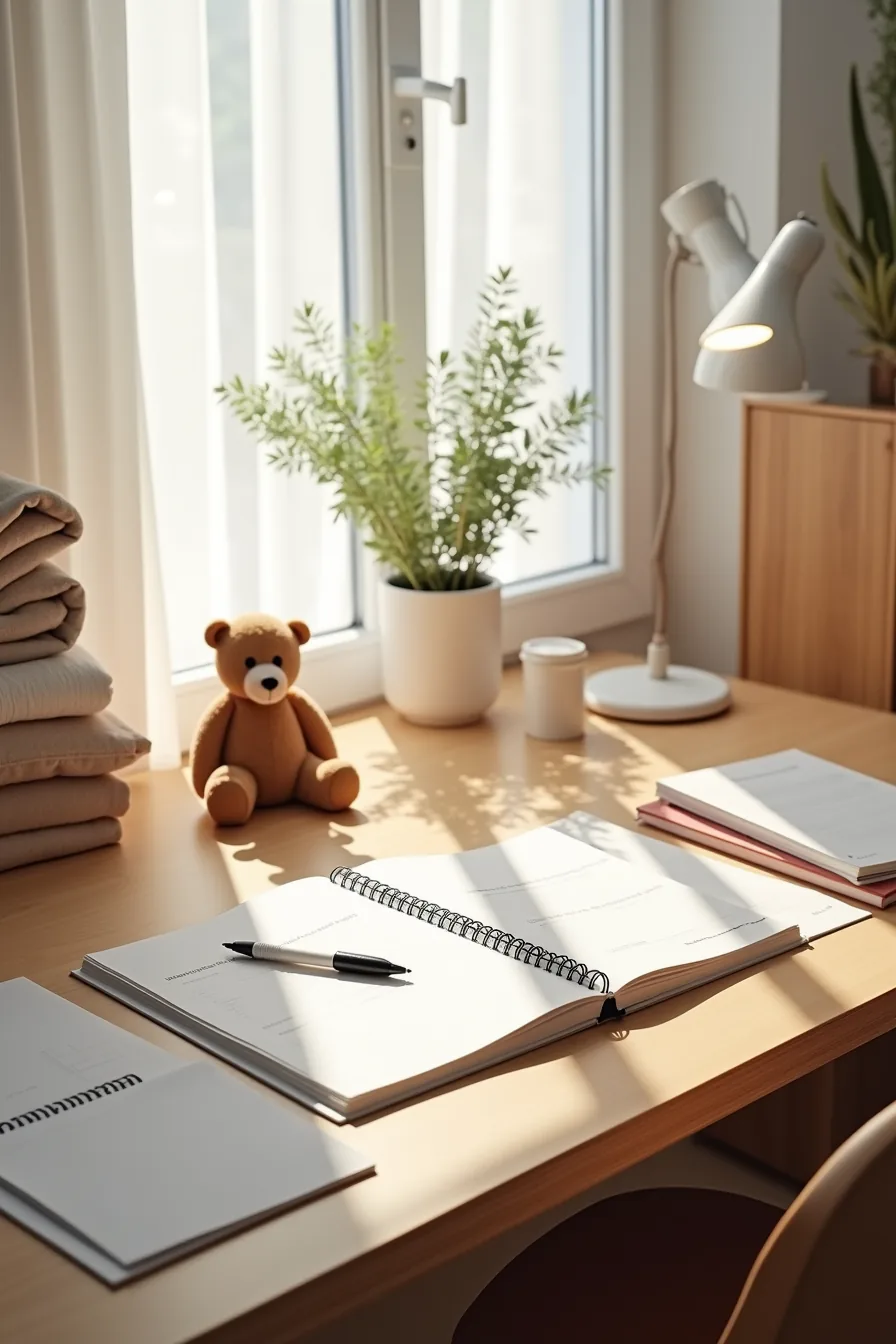
Before you spend a dollar on storage, empty every shelf, bin, and drawer onto a flat surface. That desktop setup with a notebook, ruler, and pen is your working template: sort everything into three labeled paper category sheets, daily use, weekly use, and seasonal or occasional. Office supplies, toys, and textiles each get their own stack so you can see volume at a glance.
Measure the three tallest items in each pile with that ruler. Cube openings typically run 11 to 13 inches square, which fits most books, folded sweaters, and standard toy bins, but fails on bulky electronics or oversized craft paper. Count how many items land in each frequency group; that number, not your wall space, determines how many cubes you need and whether you require closed bins or open shelving.
Write the counts in the notebook and photograph the layout before you dismantle it, this inventory becomes your buying spec and prevents the classic mistake of purchasing eight cubes when you only need five.
Fixed vs. Adjustable vs. Renter-Friendly Cube Systems
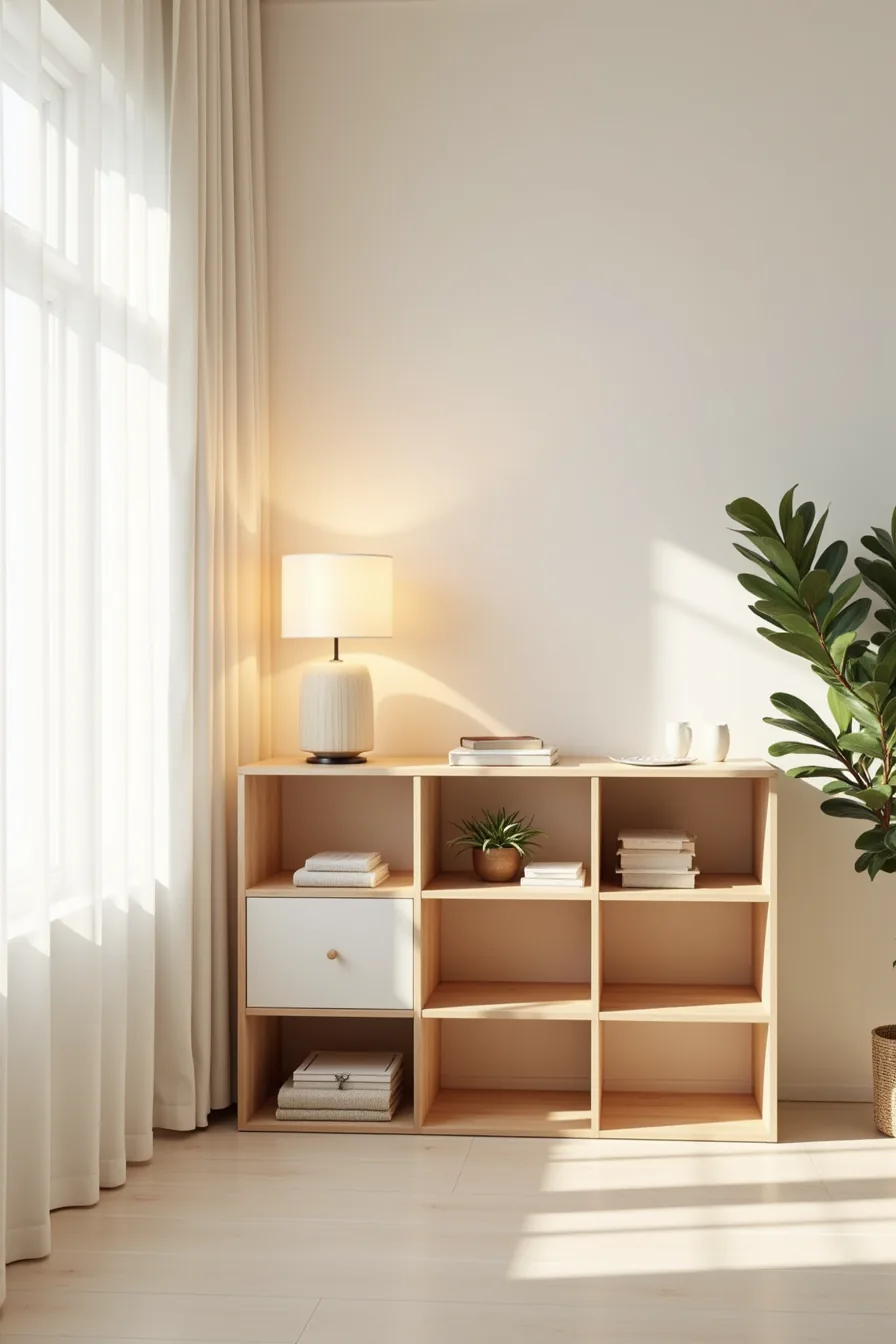
The wall-mounted fixed unit with metal brackets gives you the highest capacity per square foot, shelves can span 30 to 36 inches without sagging, but requires stud-finding and leveling, and you’ll leave screw holes when you move. It suits homeowners who have settled their layout for at least two years and need to store heavy boxes or electronics.
The freestanding modular cube with adjustable wooden shelves offers the best decor vs storage balance for most households. You can reconfigure shelf heights as your inventory changes, and since it doesn’t attach to walls, relocation takes minutes. The trade-off is footprint: you lose roughly 2 to 3 inches of floor depth compared to wall mounting, and tall configurations (over 60 inches) need anti-tip anchoring.
The tension-rod temporary cube frame is your renter-friendly option, no hardware, zero wall damage, and it collapses flat for moving. However, it supports only lightweight items like folded linens or paperback books, typically 10 to 15 pounds per cube, and feels less stable with uneven loads. Choose it for dorm rooms or year-long leases only.
Color-Coordinated Cubes and Container Strategy
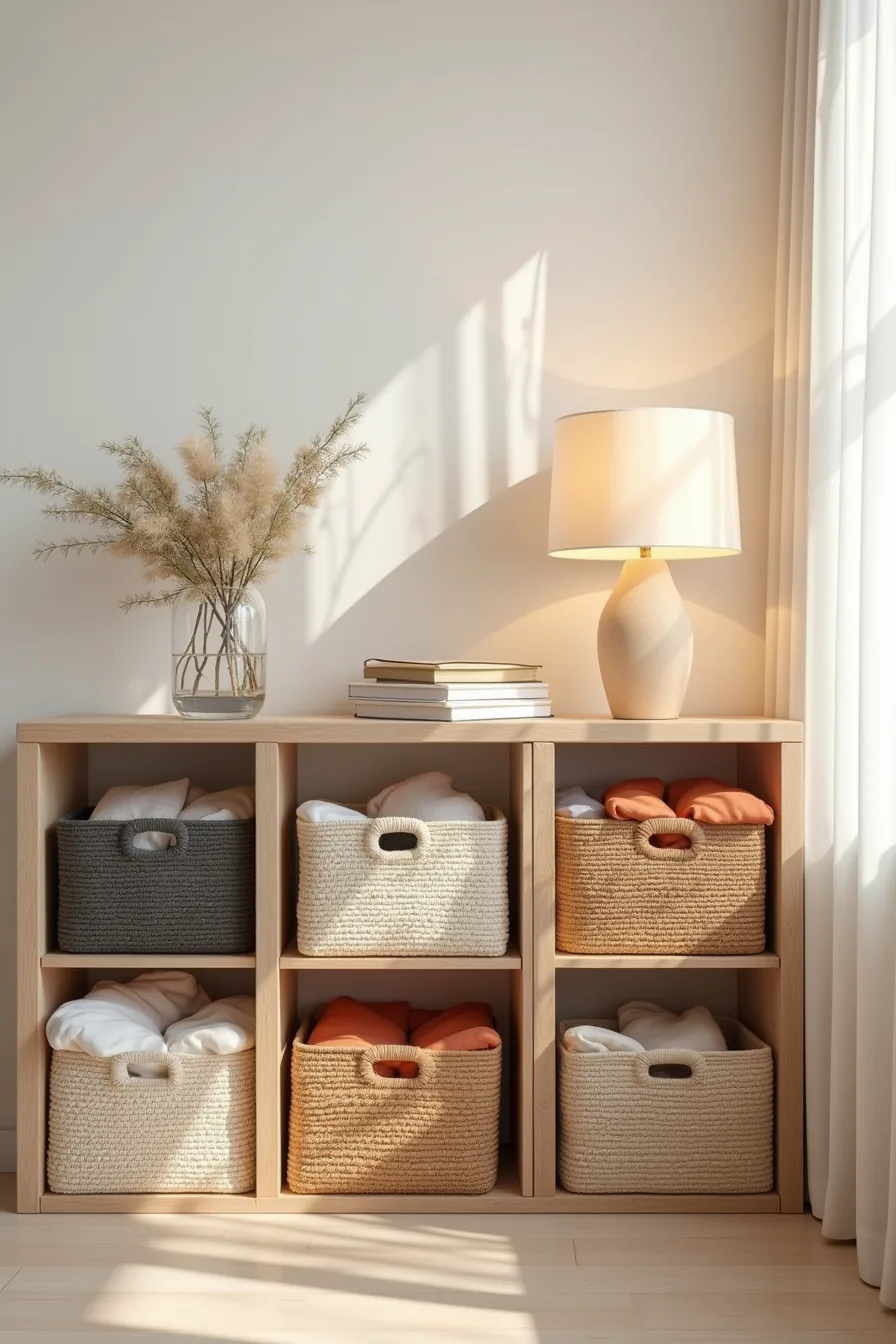
The nine-cube grid filled with matching woven baskets in cream, terracotta, and charcoal demonstrates the core principle of color-coordinated cubes: limit your palette to three tones and repeat them rhythmically. Folded textiles in coordinating shades inside each basket reinforce the scheme without requiring you to buy new belongings, you’re simply editing what you already own. This approach works best for open shelving in living rooms or playrooms where the grid itself is a focal point.
Standard cube openings measure roughly 13 inches square, so choose baskets with a 12-inch exterior width to slide in and out without friction. The intentional empty cube breaks the visual density and gives your eye a resting point, preventing the monotony that plagues fully packed grids. For a cohesive look, select baskets with the same weave pattern across all three colors; mixing textures here adds noise, not interest.
Minimal Cube Styling for Breathing Room
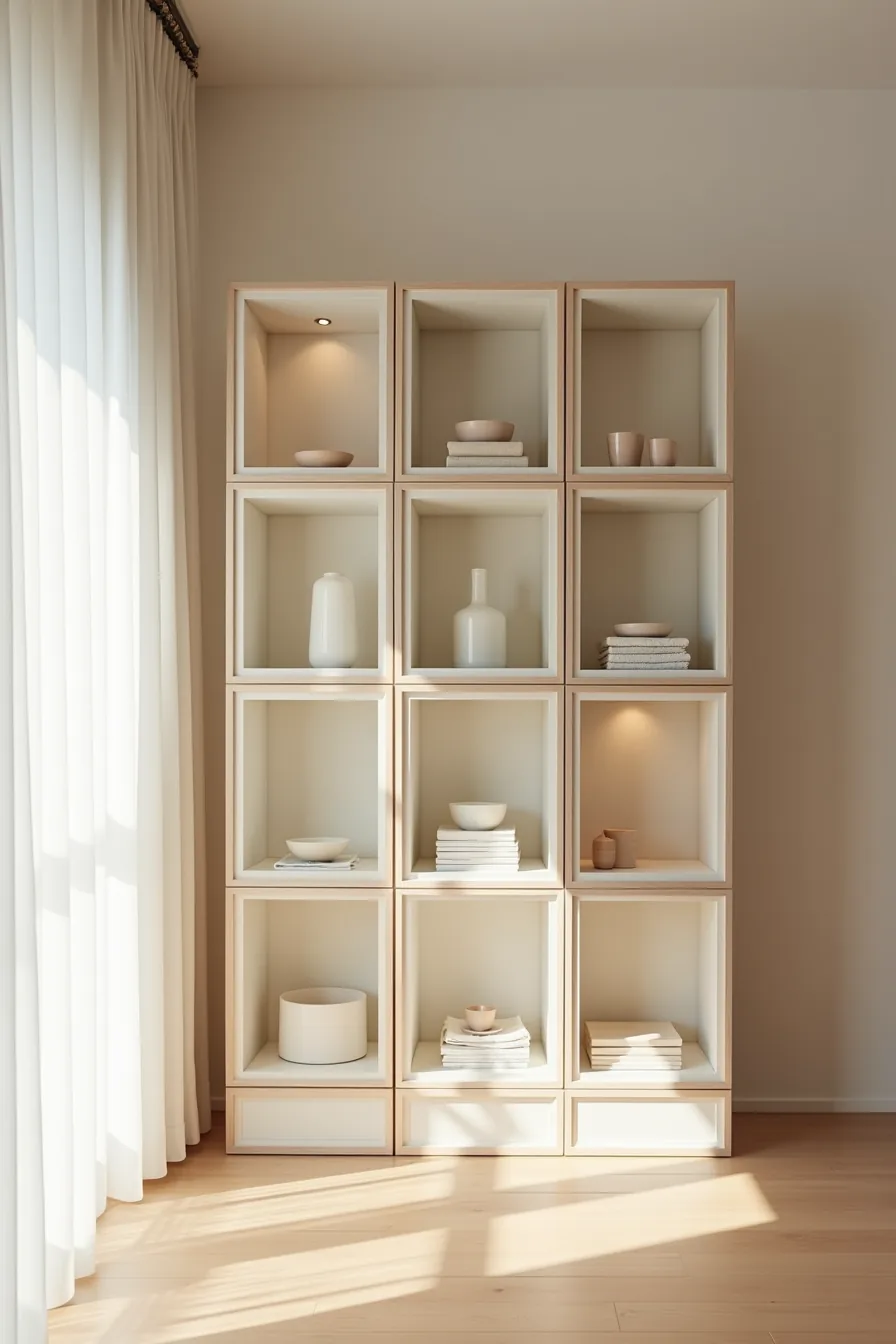
Minimal cube styling treats empty space as a deliberate design element, not a gap to fill. A twelve-cube unit carrying only five objects, three single ceramic vessels and two stacks of folded linen, lets the architecture of the shelving itself become the visual interest. This ratio works because negative space gives each object room to register individually; crowd five vessels into one cube and they read as noise, not composition.
Limit yourself to one object type per cube, and match the object’s scale to roughly one-third of the cube opening. A ceramic vessel around 4-5 inches tall leaves enough air above it to define the space without feeling lost. Stacked linen should sit no higher than two-thirds of the cube depth so the fold lines remain visible and the stack doesn’t obscure the shelf edge.
This approach suits entryways, hallways, or narrow wall niches where a fully stocked grid would overwhelm the sightline. It requires more restraint than curation, resist the urge to add a book, a frame, or a plant to any cube that’s already working. Dusting becomes a two-minute wipe instead of a twenty-minute item-by-item chore, but the trade-off is that empty cubes show every smudge, so matte finishes on the shelving unit itself will forgive fingerprints better than glossy ones.
Scaling Cube Storage Decor to Your Room Size
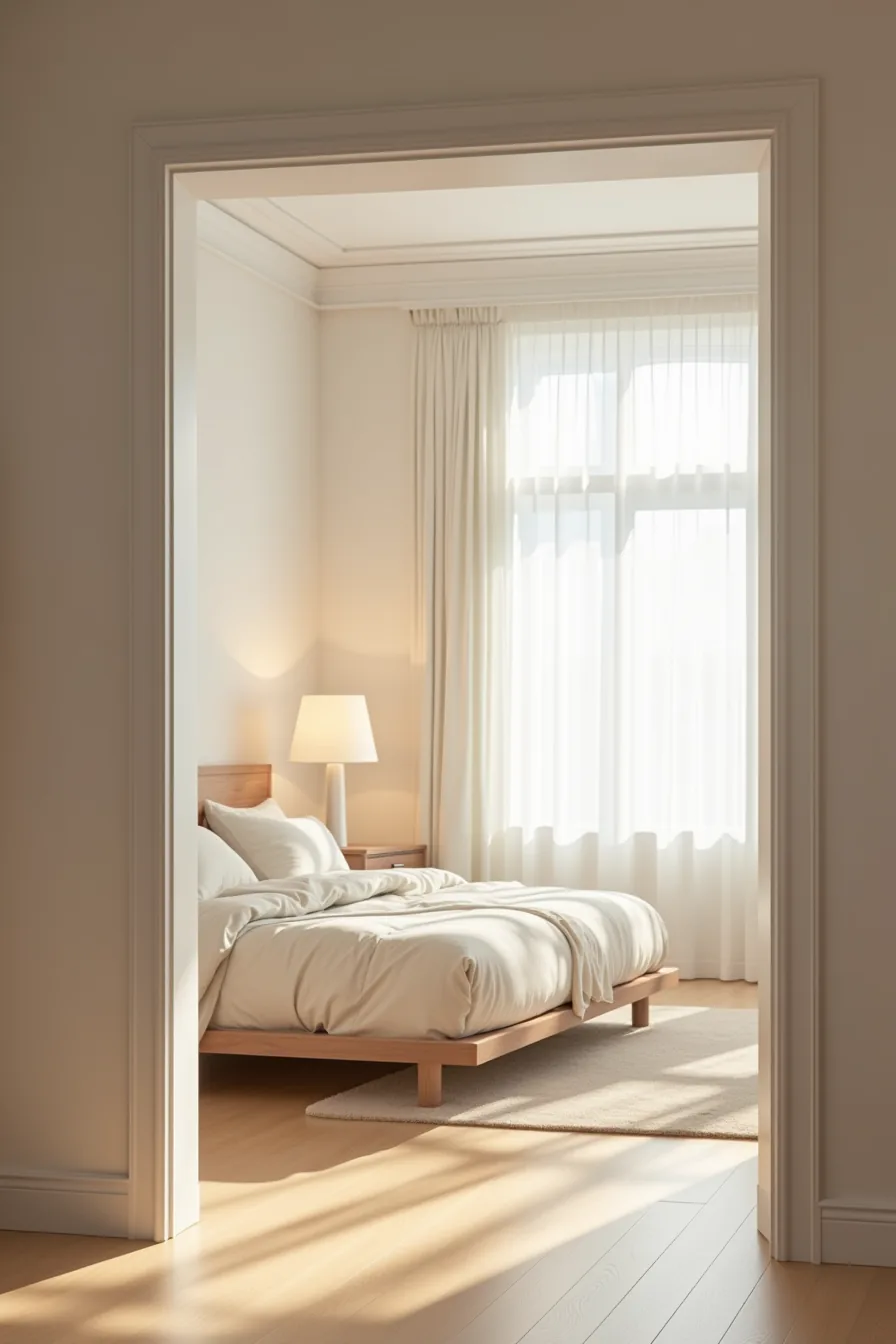
A two-by-two cube unit, roughly 24-30 inches wide and tall, suits a small bedroom because its height stops at mid-wall, leaving the upper sightline open and the room feeling taller. Place it against a wall corner with the bed frame adjacent, as in a typical small layout; you get storage without blocking the window’s natural light or crowding the floor space needed to open drawers and walk past.
In medium rooms, scale up to a two-by-three or three-by-three unit, but keep it along the longest uninterrupted wall rather than splitting it across two walls. For large open-plan areas, cluster two three-by-three units side by side or flank a media console with single columns; the repeated grid anchors the space without letting the furniture dwarf it.
Match cube depth to room width too, a 14-16 inch deep unit works in tight quarters, while 18-20 inch cubes suit larger rooms that can absorb the bulk. Proportion is the deciding factor: the unit should occupy no more than one-third of the wall’s width and leave at least 18 inches of clear walking space in front.
Maintenance, Safety, and Long-Term Access
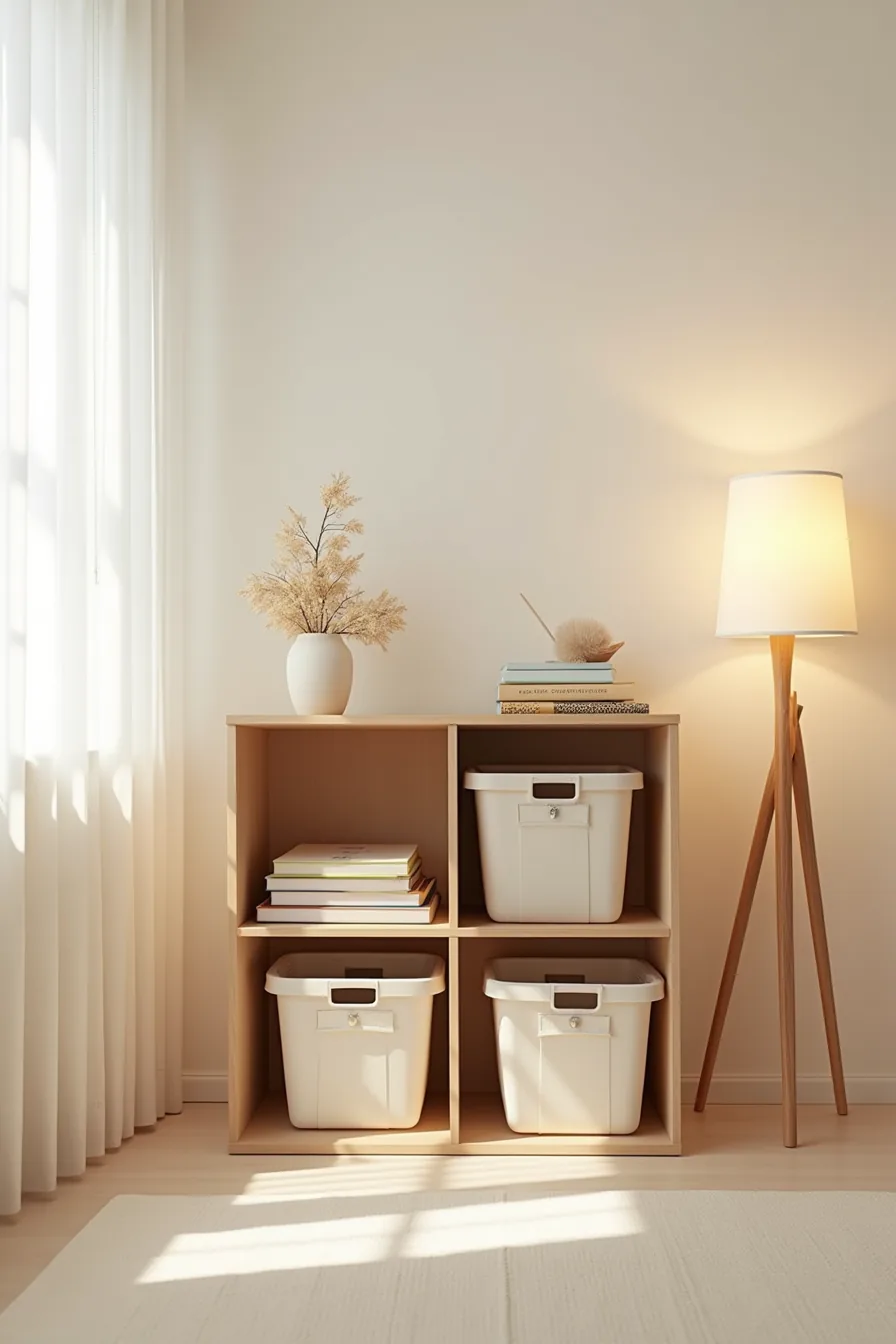
Label each basket with a color-coded tag that matches a master list taped to the unit’s side; assign one color per category type, such as blue for office supplies and green for seasonal gear. This creates a faster retrieval loop than text-only labels because you can scan for color from across the room. When you add a new item, update the tag immediately, deferred labeling compounds within two weeks.
Weight distribution is the non-negotiable safety element. Place heavy objects like board games or tools on the bottom row, and keep anything exceeding roughly 10-12 pounds off any shelf that spans a full cube width without a center support. Stack bins densely rather than leaving gaps, since a less-than-half-filled cube allows contents to shift and lever the shelving.
Clean each cube once a month at minimum; fabrics collect a visible layer of dust between 14 and 21 days. Use a microfiber dust cloth and a narrow brush attachment on the vacuum for the shelf seams. To retrieve a bottom-shelf item, pull the entire bin out rather than leaning in, slant-adjust units tip forward if you put weight past the front edge, so always open the unit fully before reaching deeply.
What to Do First
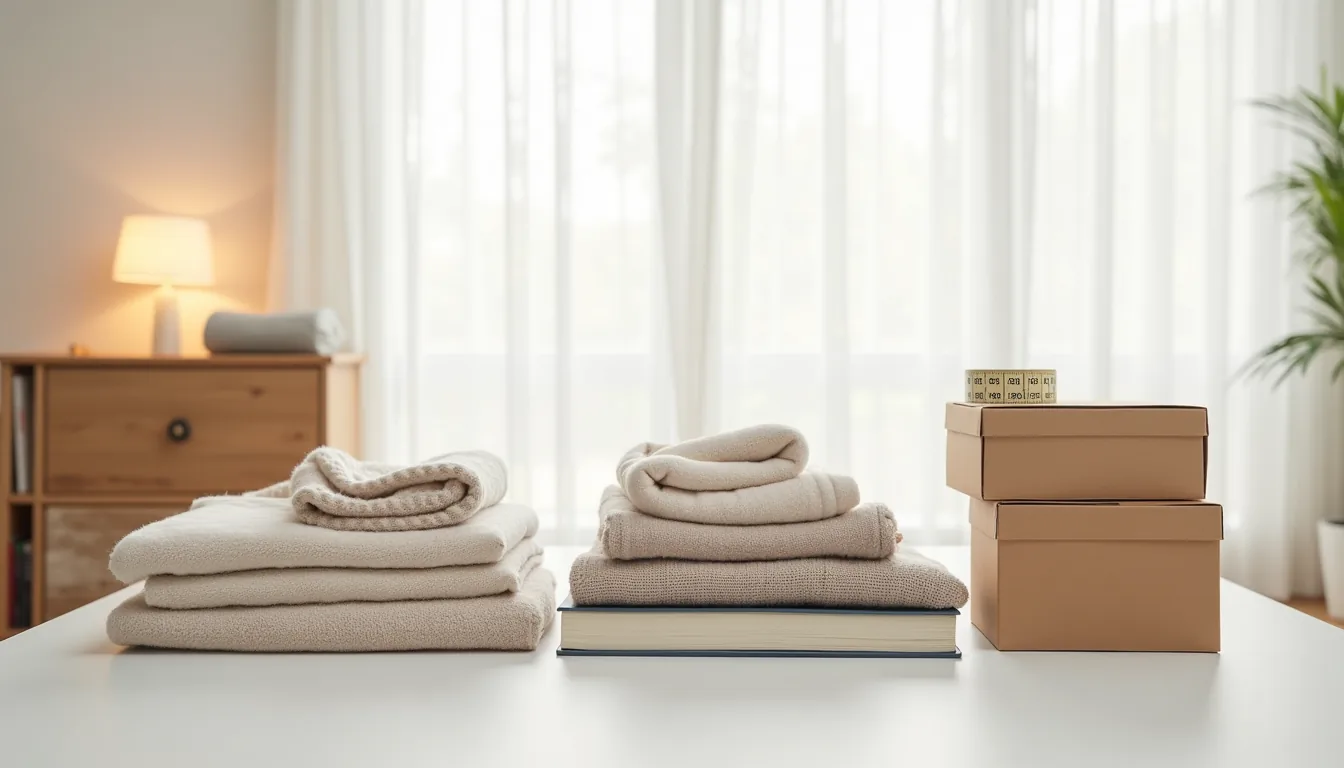
Before you buy a single cube, measure your wall and count your actual belongings. You need roughly 60-70% of your items boxed, binned, or donated before containers arrive, otherwise, you’re just organizing clutter.
Start with one room, not the whole house. Clear the floor, group items by category, and photograph what remains. This 30-minute inventory tells you exactly how many cubes you need and saves you from overspending on storage that never gets used.
Your next step: grab a tape measure and a notebook, and map out your primary wall space tonight.
Frequently Asked Questions
How do I know if cube storage will fit my space without looking cramped?
Measure your wall, then subtract 12–18 inches for breathing room. Choose cubes no deeper than your existing furniture. Leave 24–36 inches of walkway clearance.
Scale down cube size in rooms under 100 square feet.
What’s the difference between color-coordinated and minimal cube styling, and which suits a small bedroom?
Color-coordinated styling uses matching baskets and bins for a cohesive, tidy look. Minimal styling uses fewer, neutral pieces with visible negative space. For small bedrooms, choose minimal, it reduces visual weight and makes the room feel larger than color-blocked alternatives.
Can I use cube storage in a rental, and what’s the most damage-free option?
Yes. Freestanding cube units with legs or feet avoid wall mounting entirely. Use removable adhesive felt pads under corners to protect floors.
Skip glue, nails, or heavy wall anchors. A 4-cube unit under 40 pounds requires no drilling and leaves no marks.
How often do I need to reorganize or clean cube storage, and what labeling system actually works?
Dust cubes and wipe surfaces every 2–4 weeks. Reorganize seasonally or when items become hard to retrieve. Use simple word labels on bin fronts, not sides, readable at eye level.
Replace labels only when contents change, roughly every 3–6 months.