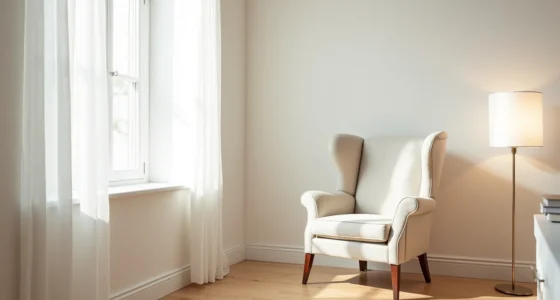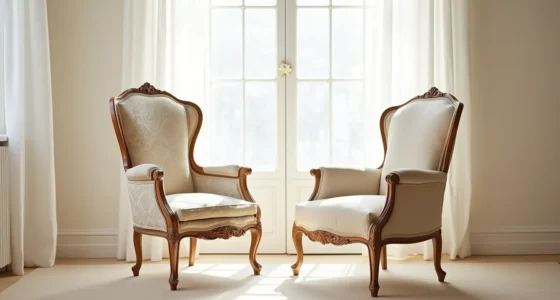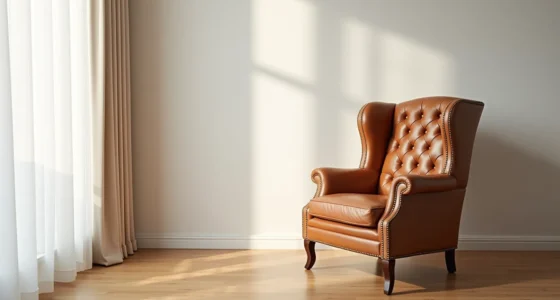

The sofa chair living room formula, one primary sofa, at least one accent chair, is the single most flexible seating arrangement you can build, but it fails when the chair is chosen for looks alone rather than for how it completes the room’s circulation, sightlines, and daily use. A well-chosen chair transforms dead corners into conversation zones, balances a long sofa visually, and gives you a second perch for reading or guests. The wrong one blocks a walkway or throws the whole composition off.
What follows are six distinct interpretations, each with the scale, placement, and budget trade-offs you need to execute it correctly.
Key takeaways
Place the chair opposite the sofa to create a conversation zone, but keep at least 36–48 inches of walkway clearance between the two pieces. Choose contrast upholstery by pairing a textured boucle or linen chair with a smooth leather sofa, and repeat the chair’s accent color in pillows or a throw to anchor the look. In small living rooms, opt for an armless or low-back chair under 30 inches deep and position it diagonally in a corner to save floor space without blocking traffic. For renters, skip permanent mounting and use a lightweight swivel chair (under 40 lbs) that you can move between rooms, while long-term owners should invest in kiln-dried hardwood frames and high-density foam cushions rated for daily use.
Opposite vs Beside Sofa: Choosing Your Layout
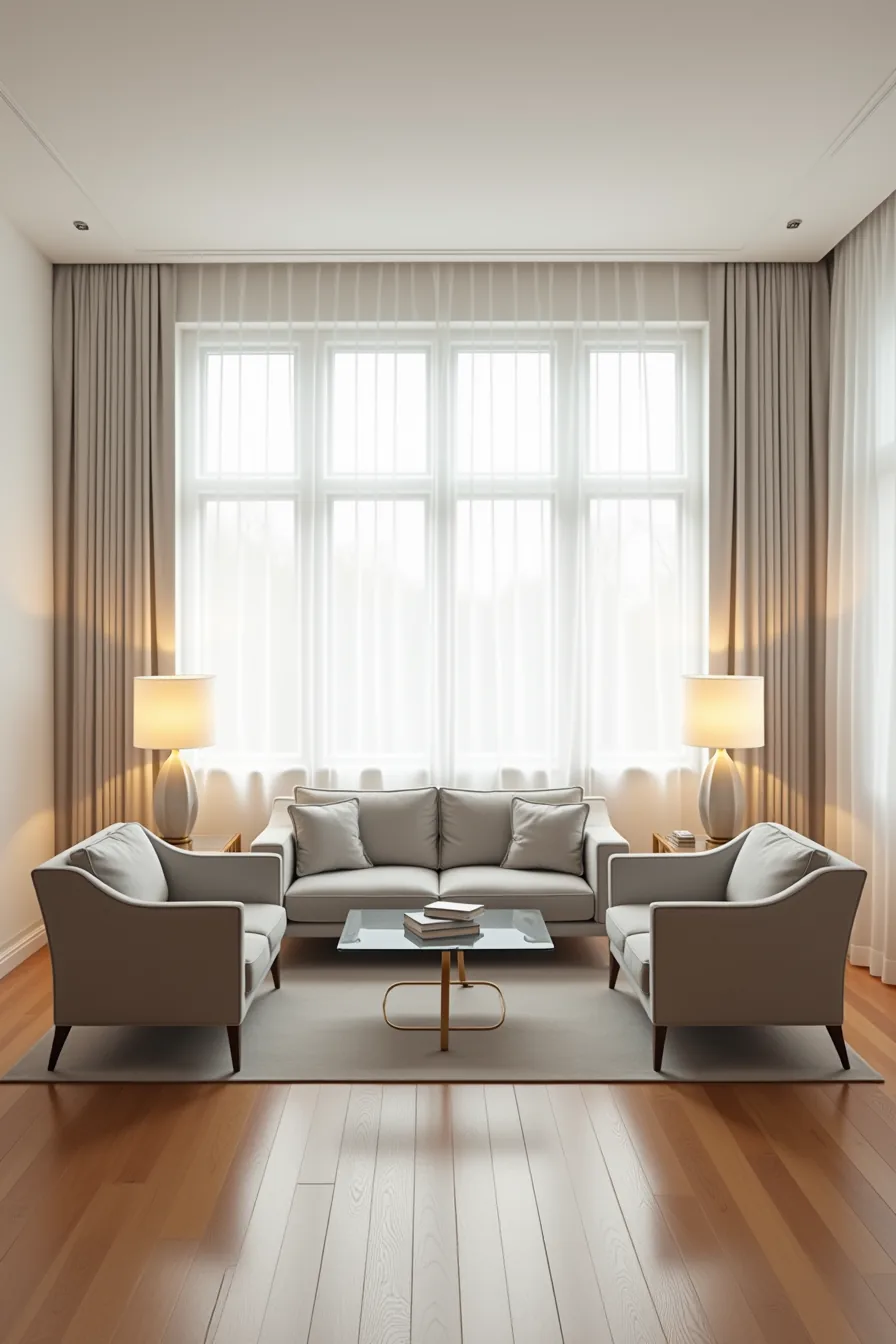
The choice between placing chairs opposite your sofa or beside it fundamentally changes how the room functions. In a rectangular living room with a gray sofa anchored against the far wall, placing two matching armchairs directly across a glass coffee table creates a formal conversation square. This arrangement suits rooms that are at least 12 feet wide, as it requires roughly 3 feet of clearance between the coffee table and each seating piece for comfortable legroom and traffic flow.
Opposite placement works best when your primary goal is focused conversation, such as in a media room or a formal sitting area. The face-to-face configuration naturally draws people into dialogue, and the glass coffee table keeps the sightlines open. This layout demands a wide, open floor plan without doorways or high-traffic paths cutting through the middle, as the chairs will block direct routes to windows or other zones.
Placing chairs beside the sofa, in contrast, suits longer, narrower rooms where width is limited. Side-by-side positioning creates an L-shaped seating zone that opens the center of the room for movement. If your living room doubles as a hallway to other spaces, or if you entertain casually with trays and side tables rather than formal coffee service, the beside layout keeps circulation clear and feels more relaxed.
For most standard living rooms measuring 12 to 16 feet wide, opposite works; beyond that range, consider a mixed approach with one chair across and one adjacent to balance both conversation and flow.
Contrast Upholstery: Pairing Textures and Colors
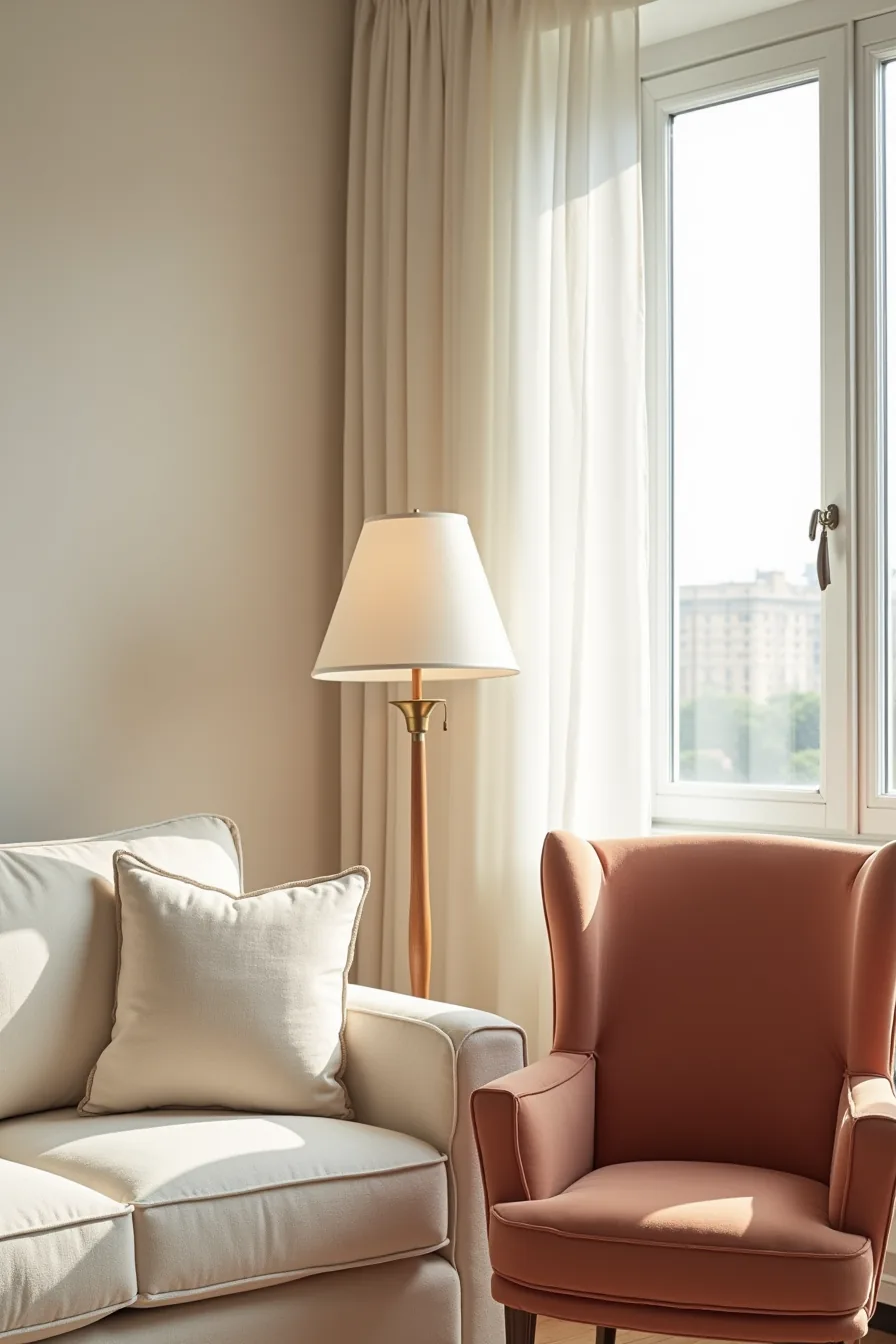
The cream linen sofa paired with a rust velvet wingback chair demonstrates why texture matters as much as hue. Linen’s matte, nubby surface reads casual and breathable, while velvet’s dense pile catches light and adds visual weight. Set a rust velvet wingback beside a cream linen sofa and you get a color story rooted in warm neutrals rather than clashing opposites; the rust pulls its pigment from the same earthy family as the cream’s undertone.
The throw pillow on the sofa can bridge the two, introducing a pattern containing both tones.
For durability, reserve velvet for low-traffic chairs rather than the main sofa, it shows crushing and water marks more readily. Linen suits family rooms but wrinkles and stains faster than synthetic blends. Budget route: recover an existing thrifted chair in a rust-toned performance velvet, which resists spills better than standard options.
Contrast works best when you limit it to one bold chair; adding a second clashes with the sofa’s anchor role.
Solo Lounge Seat: The Single-Chair Alternative
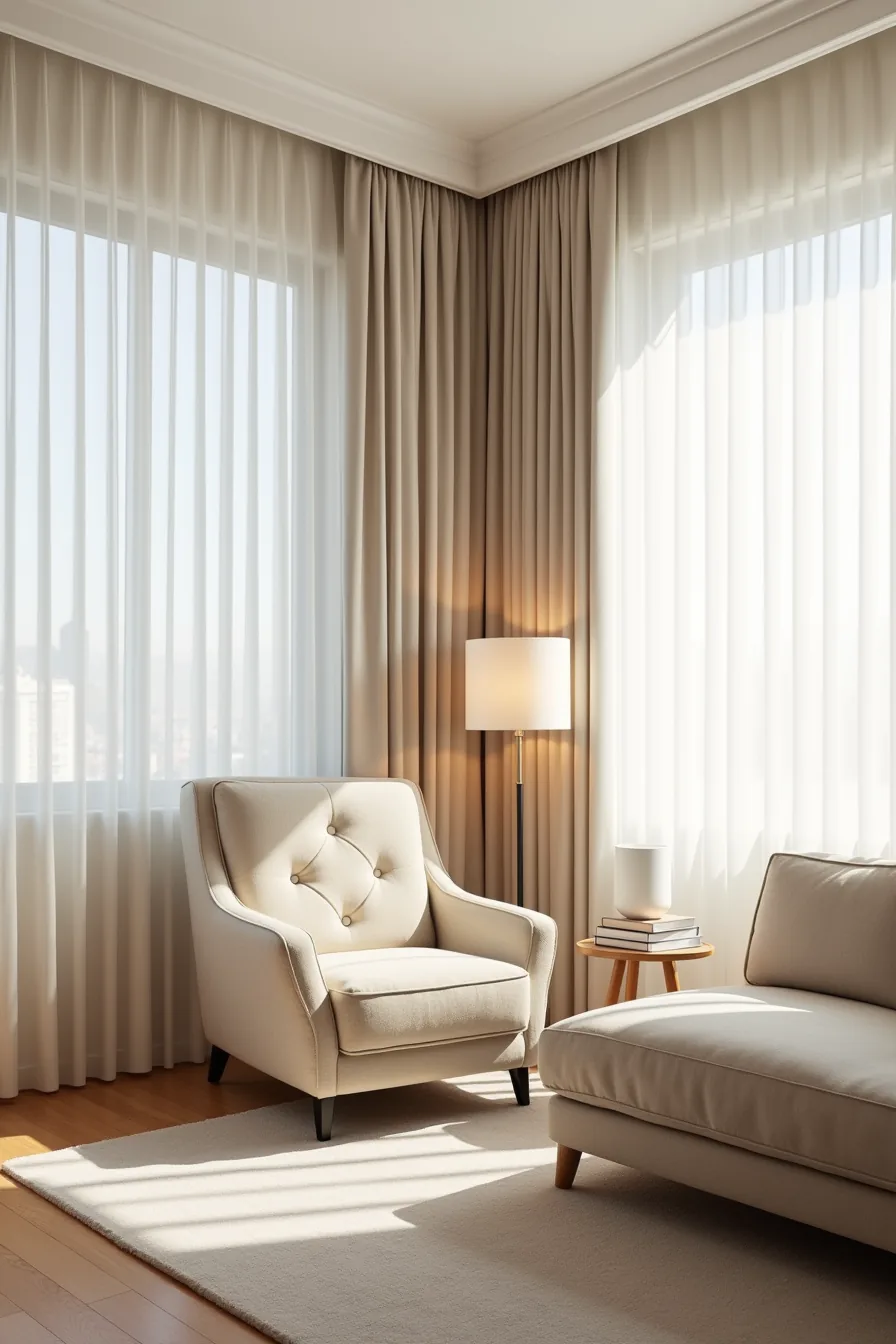
A single oversized tufted armchair angled toward a modern sectional creates a second seating zone without competing with the sofa’s dominance. The tufting adds visual texture that reads as intentional design rather than leftover space, while the chair’s generous proportions, look for a seat depth of 22-24 inches and an overall width around 36-40 inches, make it feel substantial enough to hold its own against a large sectional. Position it at a 30-45 degree angle with a side table and floor lamp beside it to define the corner as a reading nook rather than an awkward gap.
This approach suits rooms where a second sofa would overwhelm the layout or where you want a quieter spot for solo activities like morning coffee or phone calls. The single-chair format also gives you freedom to experiment with a bold color or pattern without committing to a full matching set. For a solo lounge seat to work, it must be physically larger than a standard accent chair; anything under 30 inches wide will look like an afterthought against a sectional.
Make a Sofa Chair Work in Small Living Rooms
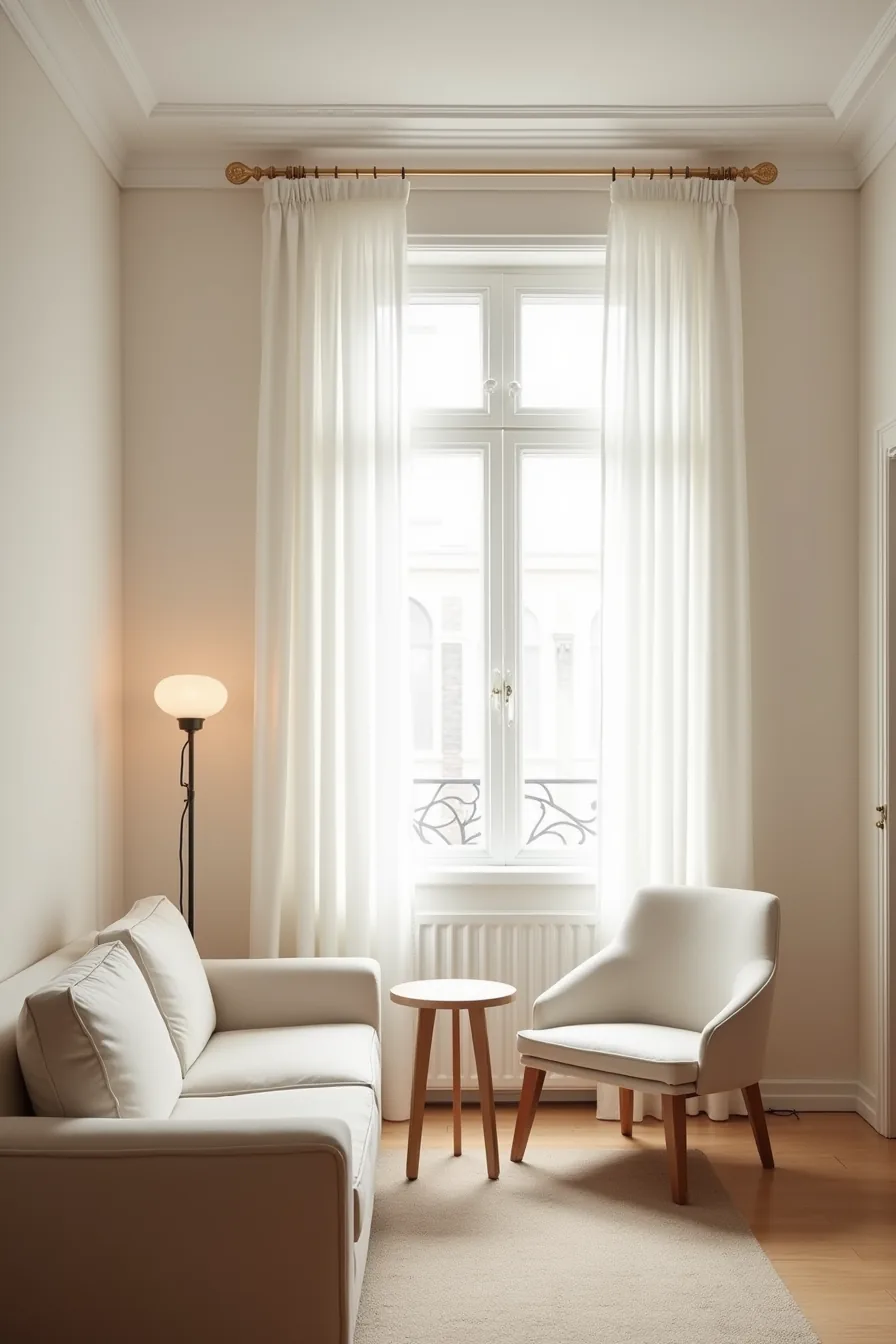
In a compact apartment, the equation changes: you need seating for two or three, not a sprawling lounge zone. A slim-profile sofa (typically 30-35 inches deep) paired with one narrow armchair, think 28-32 inches wide with exposed legs to keep the floor visible, creates an L-shaped conversation area without blocking your path to the entryway. In the layout above, the chair sits flush beside the sofa, not angled, which preserves a straight walking line from the door to the window.
The round side table between them is the critical piece: its curved edge lets you reach a mug or book without extending the footprint of a bulky square table. Choose a chair with a high back and firm cushions rather than a deep, slouchy model, it will read as substantial while taking up far less floor space. If your room is under 150 square feet, skip the ottoman and use the sofa’s armrest as the chair’s shared footrest alternative.
Budget, Rental, and Investment Routes
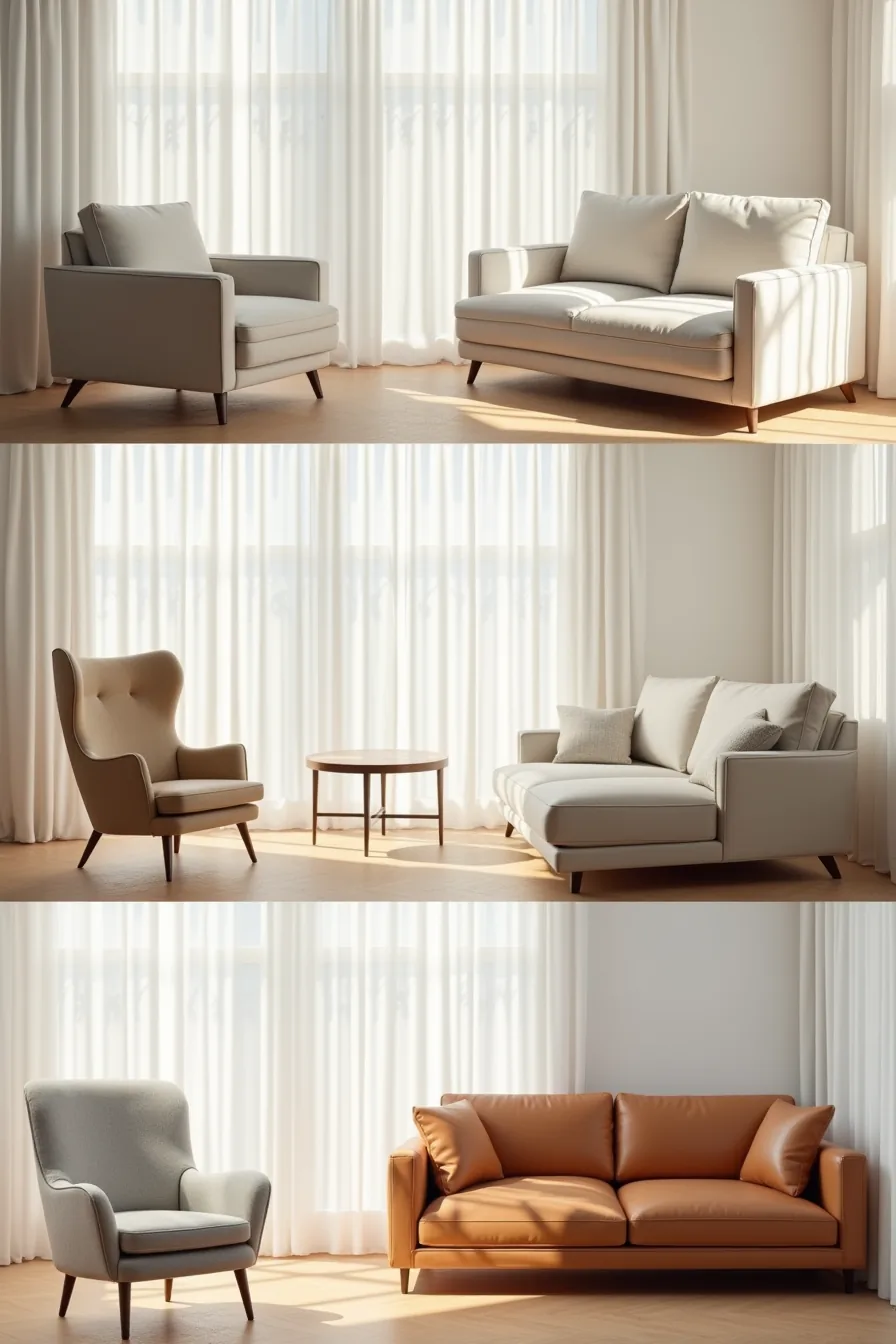
Budget route (under $1,200 total): A basic upholstered sofa and chair set, typically a 72-inch three-seater with a matching 30-inch accent chair, delivers a cohesive look without custom ordering. Expect medium-density foam cushions that will flatten within 18-24 months of daily use; plan to add a feather topper or washable throw to extend the life. This suits first apartments, guest rooms, or households with kids and pets who will inevitably test the fabric.
Rental-friendly route: A modular seating arrangement with removable, machine-washable covers solves the two biggest renter problems: damage deposits and awkward floor plans. Individual pieces (usually 28-35 inches per module) reconfigure from an L-shape to a straight layout when you move, and the covers hide wear from subletters. The trade-off is cost, quality modular systems run $1,500-$3,000, but you avoid replacing anything when the lease ends.
Long-term investment: A leather sofa paired with a designer wingback chair is the cost-per-use winner. A full-grain leather sofa at $2,500-$4,500 lasts 15-20 years with biannual conditioning, while a wingback’s high back and rolled arms hold their structure through decades of reupholstery (budget $800-$1,500 per re-cover). This route suits homeowners or committed renters who value patina over trend cycles, and it anchors a room so strongly that every other piece becomes secondary.
Scale, Proportion, and Maintenance Essentials
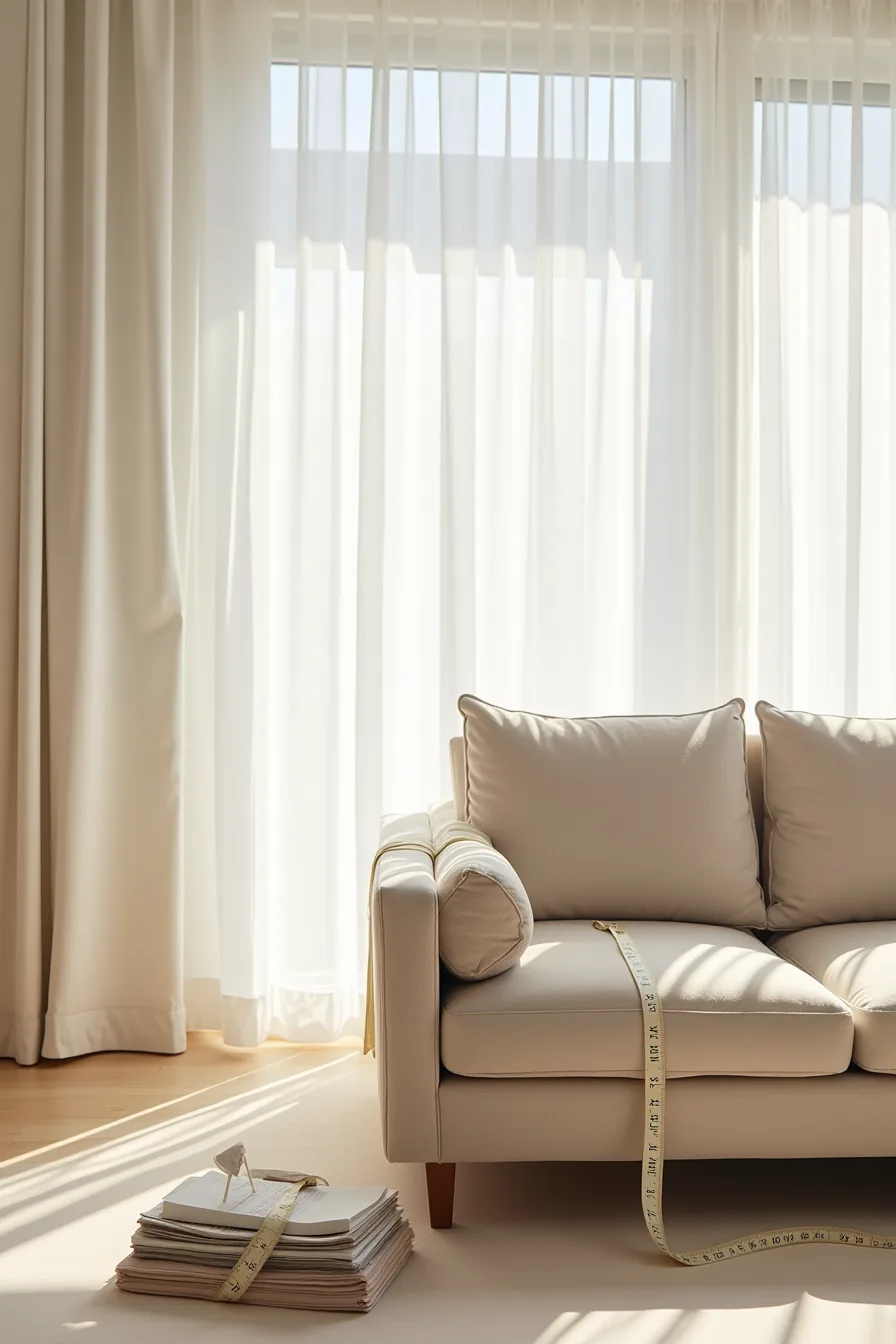
Measure your room before you shop, a sofa chair living room pairing fails fastest on proportion, not style. For an average 12-by-14-foot space, keep the sofa at 72-84 inches and the chair at 30-36 inches wide, leaving 15-18 inches of walkway clearance on at least one side. Arm heights matter more than you think: matching the sofa’s arm height (typically 22-26 inches) to the chair prevents that jarring, mismatched silhouette when they sit side by side.
Seat depth tells you who the furniture serves, 18-20 inches suits upright sitters, while 22-24 inches invites lounging but can strain short-legged users without a footstool.
Ceiling height dictates your backrests. Standard 8-foot ceilings pair best with chair backs under 36 inches; 9-foot-plus rooms handle taller wingbacks without overwhelming the sightline. When you place the measurement tape across both cushions, check that the chair’s seat height (17-19 inches) lands within an inch of the sofa’s, a higher chair seat makes the pair feel broken.
Run your hand over the fabric swatches: tight-weave performance polyester at 50,000-100,000 double-rubs resists daily wear, while linen blends look refined but pill within a year on armrests. Vacuum cushions monthly and rotate them every season; spot-clean immediately, because set-in stains on light upholstery rarely lift fully.
Your First Move
You now have six distinct ways to interpret a sofa chair living room, from the budget-friendly accent chair to the investment-grade chaise. Each works because it solves a specific problem: small-space flexibility, rental constraints, or long-term durability. Match your choice to your room’s circulation first, measure your walking paths before you buy anything.
Start with one piece. Choose a single chair that serves your primary daily activity, whether that’s reading, watching TV, or hosting. Place it, live with it for a week, then add only what the space still lacks.
That one decision anchors everything else.
Frequently Asked Questions
What is the ideal distance between a sofa and an accent chair in a living room?
Keep 18–24 inches between the sofa front and chair front for easy conversation without crowding. In tight spaces, 12–14 inches still works, but you lose legroom and comfortable passage.
Can you mix different chair styles with one sofa, or should they match?
Mixing styles works if you share one common element, color, wood tone, or silhouette era. Matching everything looks static; pairing a modern sofa with one curved chair and one armless chair creates visual rhythm without chaos.
How do you arrange a sofa and chair in a room with limited floor space?
Place the sofa against the longest wall and angle the chair at 45 degrees toward it, leaving a 24-inch walkway behind. Skip side tables; use a slim console or floating shelf instead. One chair, not two, keeps the room breathable.
What upholstery materials work best for a sofa-chair pairing in a high-traffic household?
Performance polyester, crypton, or tightly woven microfiber resist stains and wear. Leather develops character but scratches easily with pets. Avoid linen and velvet unless you treat them annually with a protective spray.