
A wood chair design idea only works when it answers three questions before you buy: how the chair will be used, what your room’s scale will tolerate, and what your maintenance budget can absorb. Skip those filters, and even a beautiful chair becomes a storage problem or a circulation hazard. The six approaches below range from a $40 DIY fix to a lifetime heirloom, each matched to a specific room size and user profile.
You’ll find the one that fits your actual floor plan, not a catalog fantasy.
Key takeaways
- Choose turned legs with slat backs for a classic look that suits dining rooms and works with most table heights if the seat sits 17-19 inches off the floor.
- Use visible joinery like through-tenons or exposed dovetails as a decorative feature; this style suits modern farmhouse or craftsman interiors and requires no extra hardware.
- Pair wood with woven seats for breathable comfort in humid climates; budget options use paper cord, while cane and rush cost more but last decades with proper humidity control.
- Opt for minimalist frames in small or rental spaces; a solid beech or rubberwood chair under 40 pounds is easy to move, and you can swap cushions for color without permanent changes.
Turned Legs with Simple Slat Backs
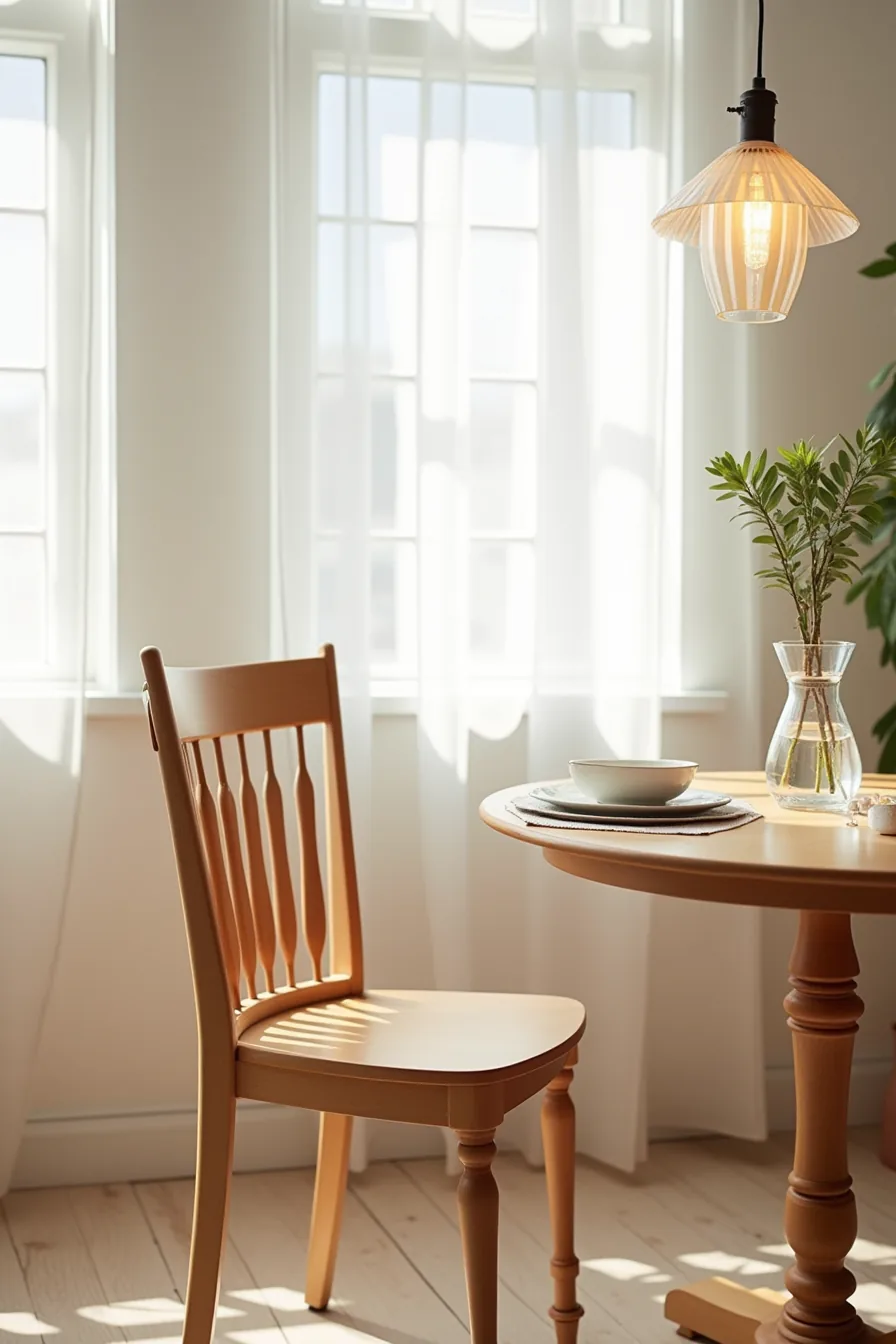
The spindle-leg chair with a vertical slat backrest is the workhorse of relaxed everyday dining, and it earns that role by pairing visual lightness with genuine structural stability. At a round table set for one, the angled three-quarter view reveals the full leg profile, typically a turned taper that narrows from the seat rail to the floor, which reads as more refined than a straight square leg while costing no more at standard dining-chair heights of 29-31 inches.
This construction suits casual dining rooms and breakfast nooks because the open backrest and exposed legs keep sightlines clear, making a 36-inch round table feel less crowded than an upholstered chair would. The slats themselves matter: spacing them 2-3 inches apart gives adequate back support without collecting dust or looking heavy. In small apartments, choose chairs with a 16-18 inch seat width so two can tuck cleanly under a 48-inch table; in larger homes, pair six around a 72-inch oval and the repetition of turned legs creates rhythm rather than clutter.
Maintenance is straightforward, a monthly dusting and an annual wipe with a damp cloth, plus a furniture polish every six months to keep the warm wood tone from drying out. This design suits renters particularly well because it’s usually mid-priced, easy to move, and doesn’t demand custom measurements or permanent installation.
Joinery as Decoration: Visible Joints and Frame Details
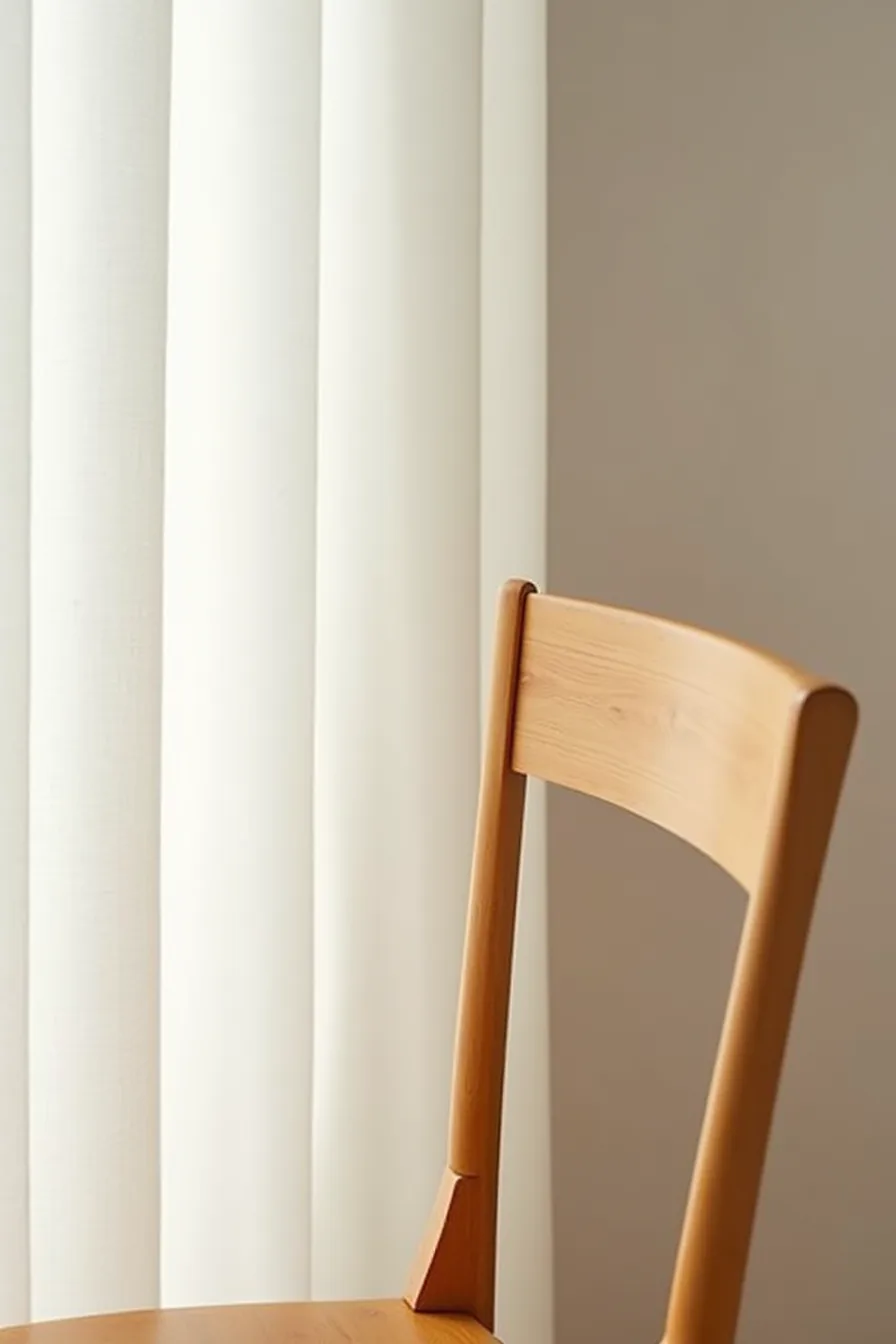
A frame that shows its mortise-and-tenon construction turns a structural necessity into the chair’s primary ornament. Where the backrest meets the seat rail, the exposed joint reveals the darker end grain of the tenon locked inside the mortise, a detail that reads as intentional craftsmanship rather than unfinished work. This approach suits modern and rustic interiors because the honest joinery replaces carved flourishes or painted finishes as the visual anchor.
The effect works best on chairs with minimal upholstery and a plain wall behind them, letting the joint lines catch directional light. You’ll pay 20-40 percent more than for a comparable chair with hidden joints, since the tenon must fit precisely to avoid gaps. Maintenance stays simple, the exposed end grain accepts wax or oil annually to prevent drying and cracking, but avoid furniture polish with silicone, which leaves a residue that resists future finishes.
Wood Plus Woven Seat: Rattan, Rush, and Cane Combinations
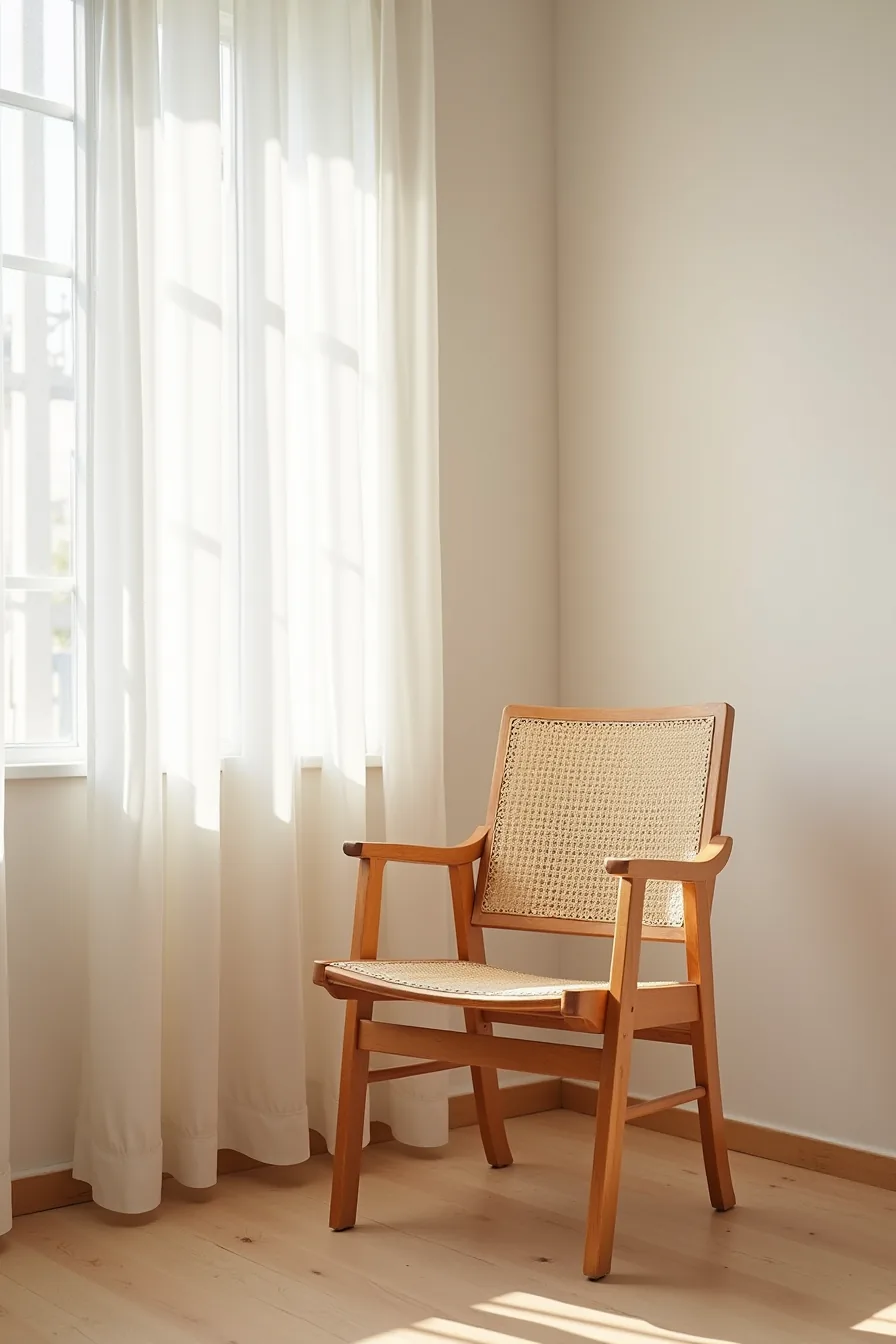
Pairing a solid wood frame with a woven seat delivers comfort without upholstery costs, and it introduces a textural contrast that reads naturally in coastal, farmhouse, and eclectic dining rooms. In a corner nook, the wooden frame’s clean lines offset the rattan or rush’s irregular weave, while the neutral wall behind lets the seat’s warm tones carry the visual weight. You gain breathability during warm months, but you sacrifice cushioning, expect most woven seats to feel firm for the first 2-3 weeks until the fibers relax.
Durability depends on the weave: hand-woven rush typically lasts 5-8 years under daily use, while machine-woven cane can hold for 10-15 if kept away from direct sunlight and humidity above 60 percent. Repair costs run 30-60 percent of a new chair’s price, so factor that into a budget purchase. This wood plus woven seat combination suits households with adults rather than young children, since spills and pet claws accelerate fiber fraying.
Dust weekly with a soft brush attachment; never wet-mop the weave, as trapped moisture rots the strands from within.
Curved Backrest Shapes and Ergonomic Profiles

A curved backrest changes how a chair supports your spine, and the arc’s depth determines both comfort and the visual weight the piece carries in a room. A gentle S-curve that follows your lumbar region and tilts slightly backward supports your lower back during a 60-90 minute dinner, whereas a flat or nearly straight backrest forces you to sit upright and engage your core for posture. For most adults between 5’2″ and 6’0″, a contoured backrest with 10-20 degrees of recline distributes pressure across the mid-back rather than concentrating it on one spot.
The curved side profile visible on a wooden chair with a distinctly contoured backrest creates a sculptural silhouette that softens a rigid dining setup. This shape suits readers who linger over meals and households that host long conversations, but it consumes more visual space than a flat-back chair, allow at least 18 inches from the chair’s back to the wall to avoid crowding. In a small breakfast nook, choose a shallow curve under 10 degrees; in a large dining room, a pronounced arc becomes a statement piece that anchors the table’s geometry.
Backrest shape ideas that prioritize ergonomics typically require solid wood or bent-laminated construction, which costs 20-40 percent more than flat-back versions but avoids the creaking that plagues glued joints under repeated leaning pressure.
Minimalist Wood Frames for Small and Rental Spaces
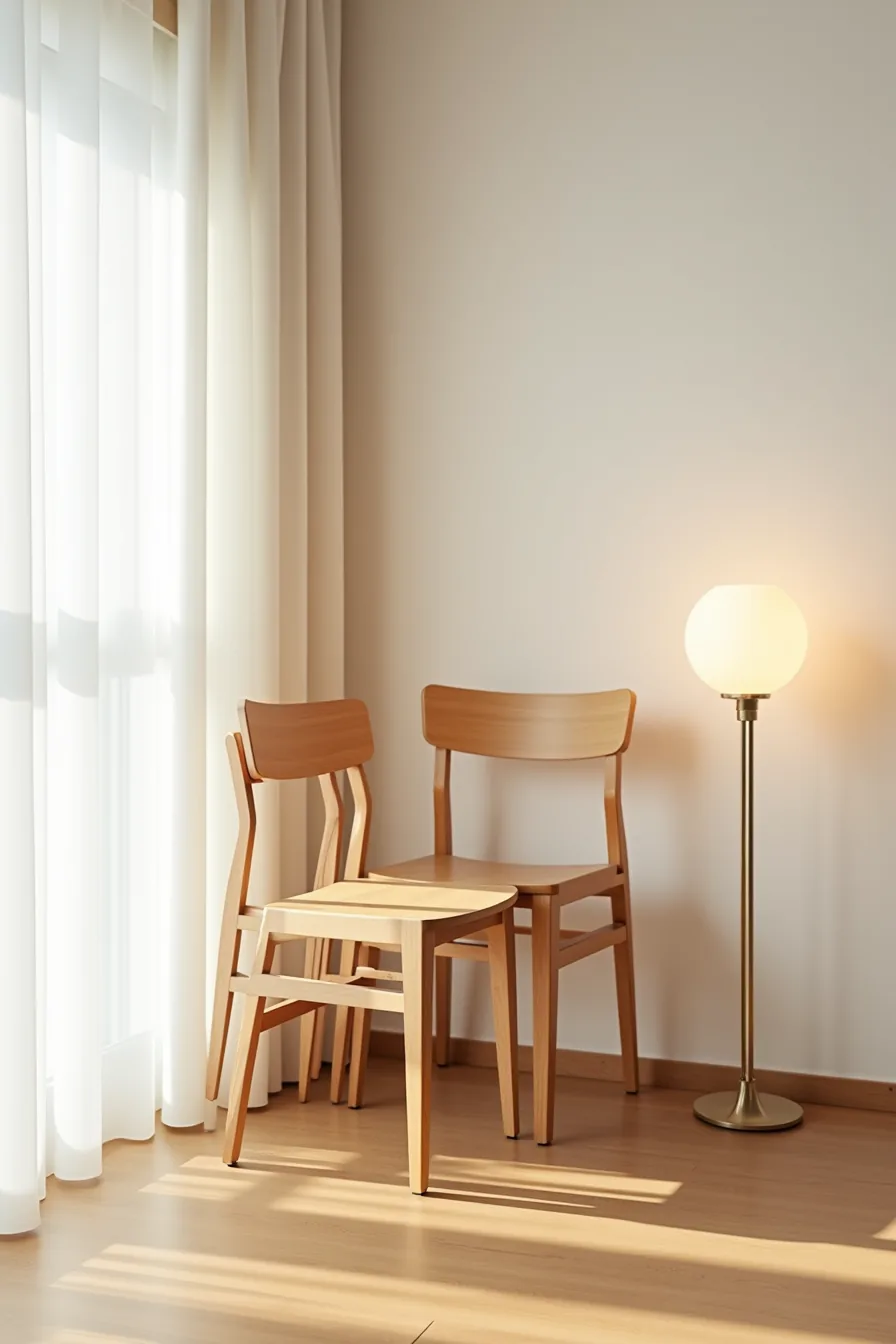
A minimalist wood frame earns its place in tight layouts by doing more with less: tapered legs, a slim top rail, and an open air gap between seat and backrest keep the chair visually light while still holding 250-300 pounds of static weight. When you stack two or three of these chairs in a corner, the thin members create a neat vertical line rather than a jumbled pile, which is why this design suits studio apartments, breakfast bars, and entryway overflow seating.
For renters, the deciding factor is joinery. Chairs assembled with exposed bolts and cam locks knock down flat for transport and pass through narrow doorways without scraping trim, whereas glued dowel joints are permanent and risky to force apart. You can expect a knock-down frame to take 15-20 minutes per chair to assemble with a hex key, and the visible hardware should match the wood tone, matte black or brushed steel reads intentional, while mismatched zinc fasteners cheapen the look.
The budget route here’s beech or rubberwood with a clear matte lacquer, priced roughly 30-50 percent below walnut or oak equivalents. The trade-off is density: lighter woods dent more readily along the seat edge, so place these chairs away from heavy foot traffic and use felt pads on the legs to avoid scuffing vinyl plank flooring. In a compact corner, two stacked chairs with a small side table take up about 3 square feet of floor space, leaving breathing room that a bulky upholstered armchair simply can’t offer.
Solid Wood Investment Chairs: Grain, Finish, and Long-Term Care

A premium wooden chair earns its price tag through grain selection and joinery you can verify at a glance. Look for quarter-sawn white oak or black walnut with continuous grain flowing from the back post through the seat, this indicates the wood was cut from a single billet, not finger-jointed scraps. The chair in natural light displays cathedral grain across the seat and straight, tight lines up the back, which signals stability: wood moves least along its long axis, so a chair cut this way resists warping for decades.
Finish durability determines your maintenance schedule. A hand-rubbed oil-and-wax finish deepens the surface sheen and allows yearly touch-ups with 220-grit sandpaper and fresh oil, costing about $15 in materials per chair. A conversion varnish or polyurethane topcoat is harder and more scratch-resistant, but when it eventually fails, typically after 8-12 years of daily use, you must strip the entire chair rather than spot-repair it.
Expected lifespan for either finish runs 25-40 years with proper care, which translates to 3-5 cents per use compared to 15-25 cents for a budget chair replaced every five years.
The long-term investment route suits dining rooms, home offices, or reading corners where the chair anchors the room’s character. Budget 2-3 times what you would spend on a rubberwood counterpart, and expect a 10-15 percent premium for matched-grain sets of four. Protect your investment by keeping chairs 12-18 inches from heat registers and direct sunlight, which dries the finish and causes the seat to cup; a yearly application of paste wax on the underside prevents moisture loss from the unseen surface.
What to Do First
Start with a single chair, not a set. Place it where you’ll actually sit in it daily, a reading corner, a kitchen counter, or a hallway with a mirror. Live with it for two weeks before committing to more.
Measure your floor-to-seat clearance against your table height (most dining tables sit 28–30 inches high, so a 17–19-inch seat works). If the chair wobbles on uneven flooring, add felt pads or a wedge shim before you decide it’s a keeper. Order one, test it, then scale up.
Frequently Asked Questions
What wood species work best for dining chairs, and how do they differ in durability?
Oak, walnut, and maple are top choices. Oak resists dents well; walnut offers rich color but scratches easier; maple is hardest and most affordable. Softer woods like pine or cherry require more care and show wear faster.
Can I refinish or repair a wood chair myself, or do I need a professional?
You can handle light scratches, loose joints, and re-oiling with sandpaper, wood glue, and finish. For structural cracks, broken spindles, or veneer damage, hire a professional, DIY fixes on load-bearing parts risk failure and injury.
How do I know if a wood chair will fit my table height and dining space?
Standard dining tables run 28–30 inches high; chairs should measure 17–19 inches at the seat. Leave 24–30 inches between chairs and 36–48 inches from table edge to wall for pulling out and walking.
What’s the typical cost difference between budget, mid-range, and heirloom-quality wood chairs?
Budget chairs run $50–$150 each, typically in rubberwood or pine. Mid-range costs $150–$400, using oak or walnut with better joinery. Heirloom-quality pieces start at $400 and climb to $1,000+, featuring solid hardwoods, hand-cut joints, and durable finishes.