
Your linen closet doesn’t need to be a chaotic black hole of mismatched towels, six distinct organization approaches can turn it into a functional system that matches your space, budget, and maintenance tolerance. From a $15 basket refresh to custom shelving that lasts decades, each method solves a different problem: overflow, visibility, or accessibility. The deciding factors are your shelf depth, how often you rotate linens, and whether you rent or own.
Here’s how to match the right strategy to your actual closet, not a magazine spread.
Key takeaways
- Vertical shelf dividers let you file folded linens upright, which triples usable shelf depth and suits narrow closets where stacking creates avalanches.
- Rolling baskets or pull-out drawers cut retrieval time to under five seconds per item, making them ideal for daily-use towels in busy family bathrooms.
- Vacuum-seal bags shrink bulky comforters by roughly 50-70% of their volume, but reserve them for off-season items you won’t access more than once a month.
- Label systems with a simple inventory list prevent re-buying duplicates and work best when paired with a rule that every bin holds one category only.
Vertical Shelf Dividers for Folded Linens

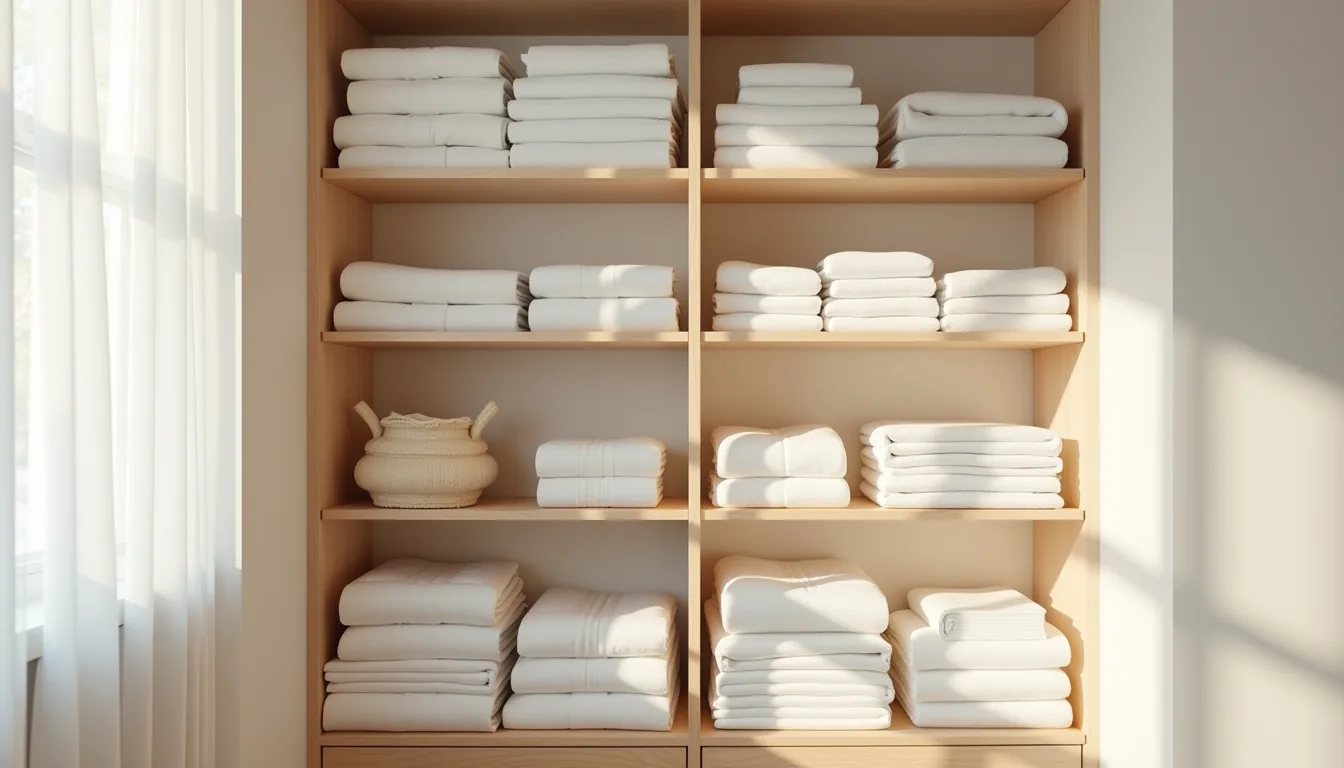
A single vertical wooden divider transforms a wide shelf from a single unstable pile into two self-supporting columns. In this setup, a flat wooden panel sits perpendicular to the shelf back, splitting the space so patterned pillowcases stack on one side and solid fitted sheets on the other. The divider stops the stacks from leaning into each other, which is the root cause of the mid-shelf topple that undoes most folding efforts.
You need at least 12 inches of shelf depth for this to work comfortably, and it suits closets with three or more shelves where you can dedicate one full shelf to sheet sets. Acrylic dividers run $8–$15 each and slide out for cleaning; wood versions cost more but hold heavier blanket stacks without bowing. Measure the shelf height before buying, standard dividers fit 8–10 inch clearances, so tall blanket stacks will require a longer panel cut to size.
Rolling Baskets and Pull-Out Drawers
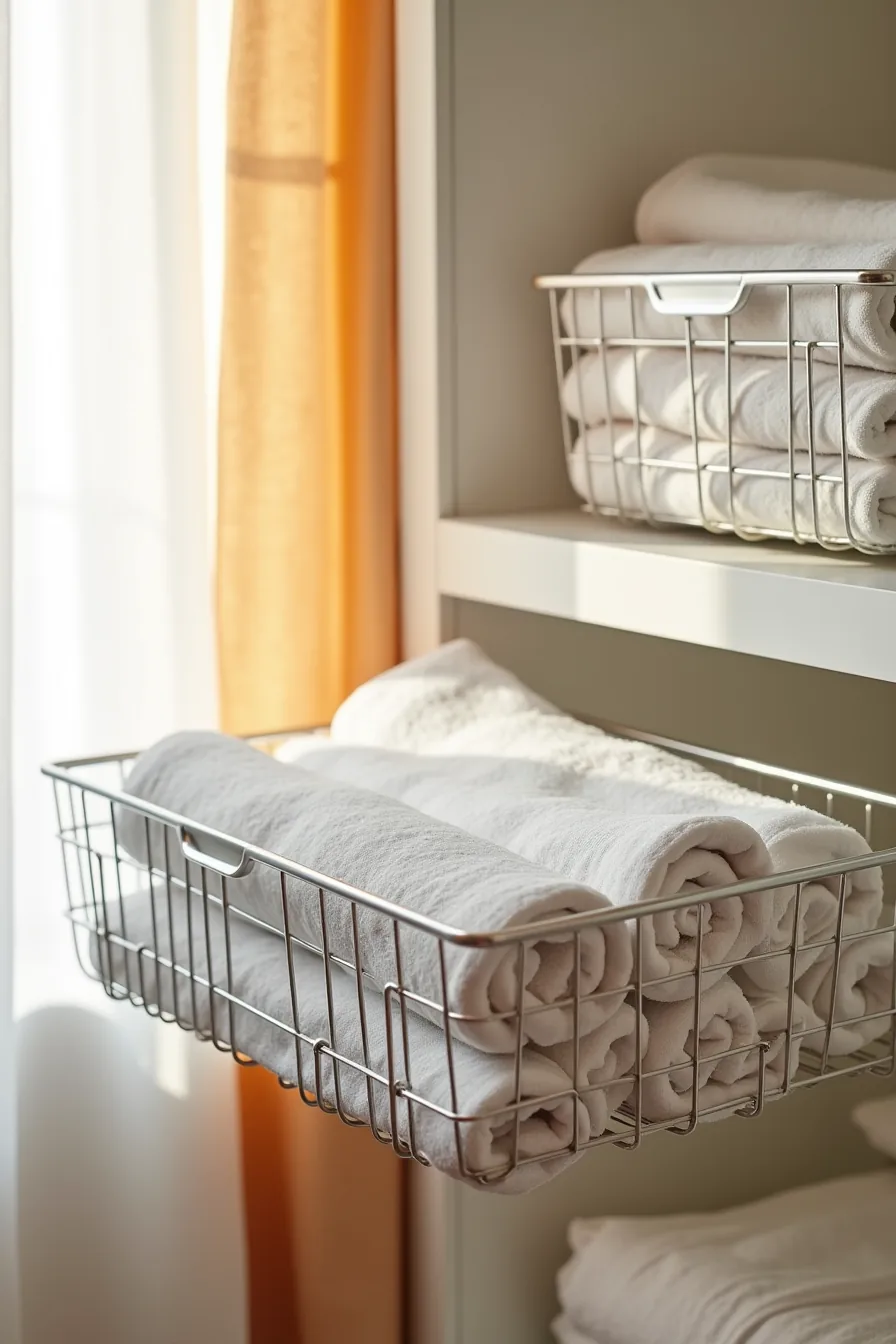
Wire pull-out baskets mounted on tracks turn dead shelf space into accessible drawers, letting you store linens by room or type without unstacking a pile to reach the bottom. A three-basket setup works well for a medium closet: the top basket holds rolled hand towels, the middle stacks washcloths flat, and the bottom clears the floor for bath mats that would otherwise trap moisture against the shelf. Rolling towels instead of folding them means you can grab one without disturbing the rest, a practical choice for households with kids or anyone who reshelves infrequently.
This route suits renters because the baskets attach to the shelf with clamp-on tracks, leaving no holes or adhesive residue when you move out. A three-basket wire set runs $25–$50; the tracks add another $15–$30. Before buying, confirm the shelf depth clears 16–18 inches so the baskets extend fully without hitting a wall or door hinge.
Expect to dust the wire surfaces monthly, lint from towels collects quickly, and avoid overfilling baskets past their rated weight, typically 20–30 pounds, or the slides will bind. For a budget alternative, skip the tracks and use open wire baskets that slide freely, though they won’t stay aligned during repeated pulls.
Vacuum-Seal Bags for Seasonal Storage
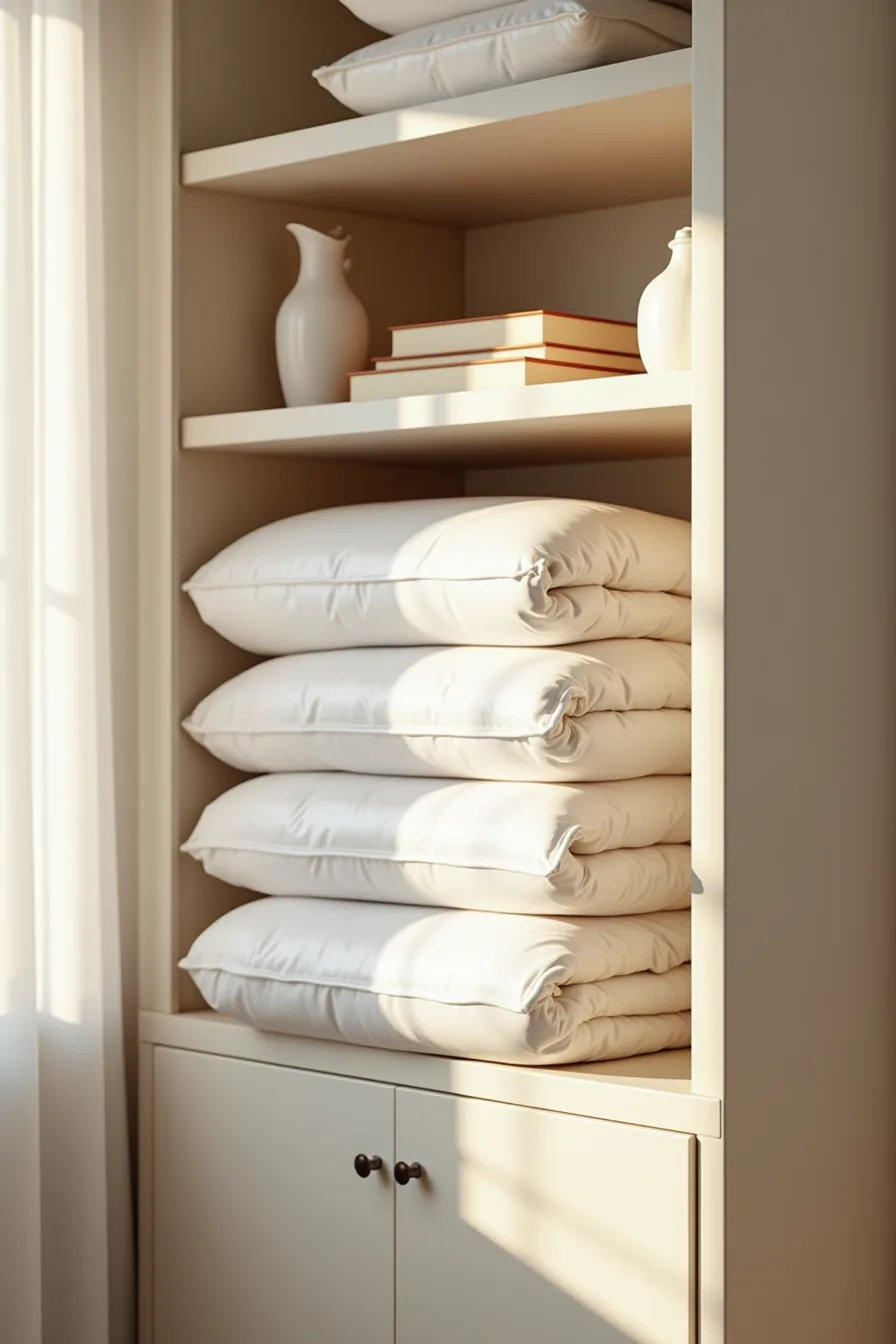
Four flat vacuum-sealed bags stacked horizontally on a single shelf can hold what would otherwise consume three times the vertical space, a big shift for closets where the top shelf sits 12–16 inches below the ceiling. The translucent plastic lets you identify the quilt or comforter inside without breaking the seal, and the bags’ uniform rectangular footprint stacks cleanly without the sagging gaps that loose fabric createscompressibility varies by fill, so expect a queen comforter to reduce to roughly one-third of its original volume.
This method suits households with dedicated off-season storage needs, but it has limits. Down and synthetic fills compress well; memory foam and wool don’t, as they resist returning to loft and can permanently flatten. Moisture is the real risk, sealed plastic traps any residual dampness, so air-dry items completely (24–48 hours) before sealing, and add a silica gel pack to each bag.
A four-bag set with a hand pump costs $20–$40, while vacuum-hose versions run $30–$60. Store bags flat, never stacked more than four high, or the bottom bags will stress at the seams and lose their seal over several months.
Label Systems and Inventory Tracking
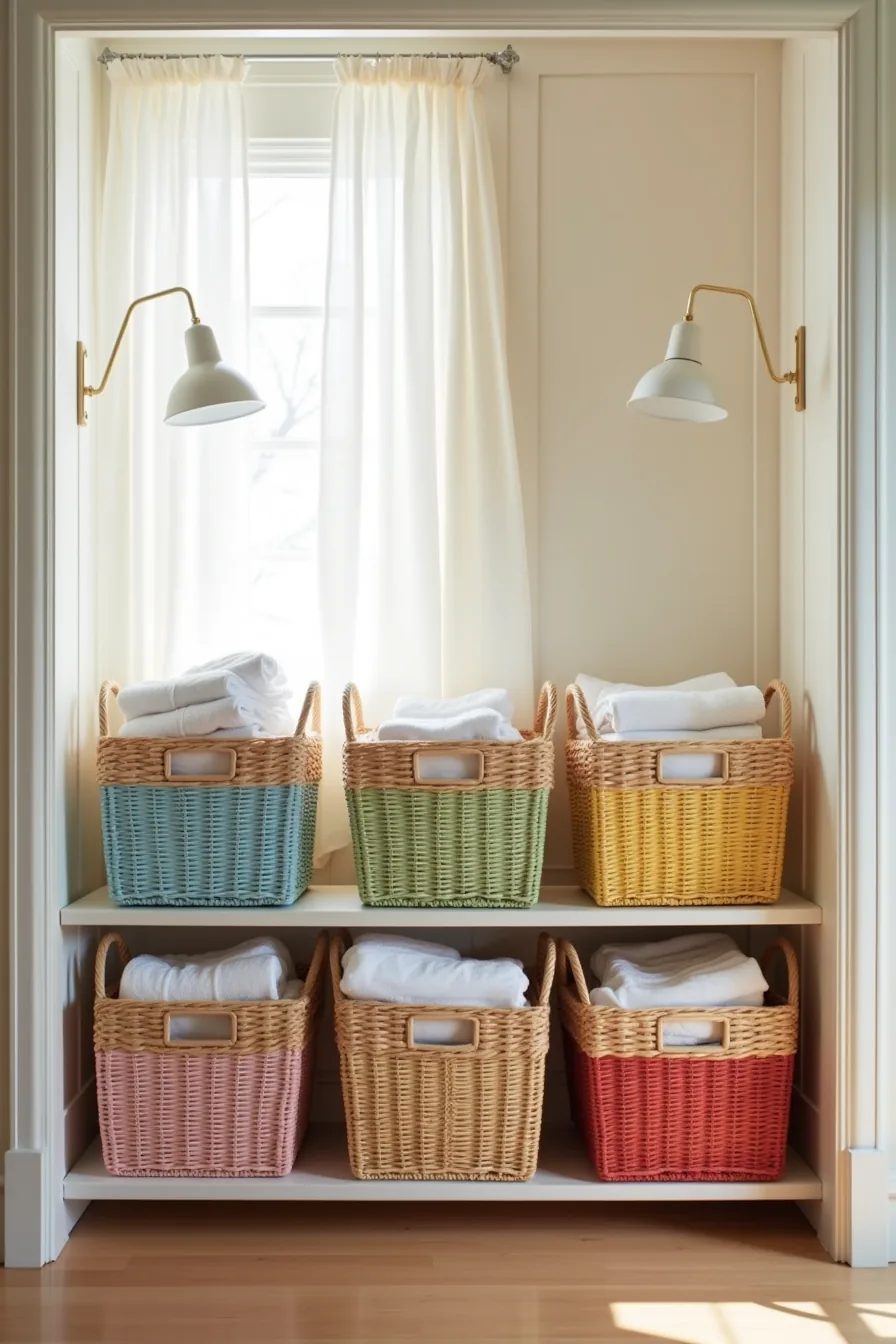
Color-coded labels turn a guessing game into a glance. Assign one color per category, blue for sheets, green for towels, yellow for washcloths, pink for pillowcases, red for blankets, and match each label to the basket’s contents so everyone in the household returns items correctly without opening lids. A straight-on view of five matching wicker baskets in a row shows the system at its most effective: uniform containers, distinct colors, zero ambiguity.
This approach suits shared households where multiple people access the closet, or anyone who has bought a third set of queen sheets because they forgot what existed. Use 2-inch adhesive label holders ($8–$15 for a pack of 20) and a permanent marker; handwritten labels cost nothing but smudge within months. When you add new linens, update the label the same day, a single unlabeled basket breaks the entire system.
Track inventory with a simple count written on each label (e.g., “King sheets × 3”). That number prevents overbuying and tells you at a glance when to replace. Rewrite labels annually, or whenever the count changes by more than one item.
The most common linen closet organization ideas mistakes to avoid here are vague labels like “misc” and abandoning the system after one busy month, consistency matters more than the label’s aesthetics.
Tiered Shelving and Adjustable Rods
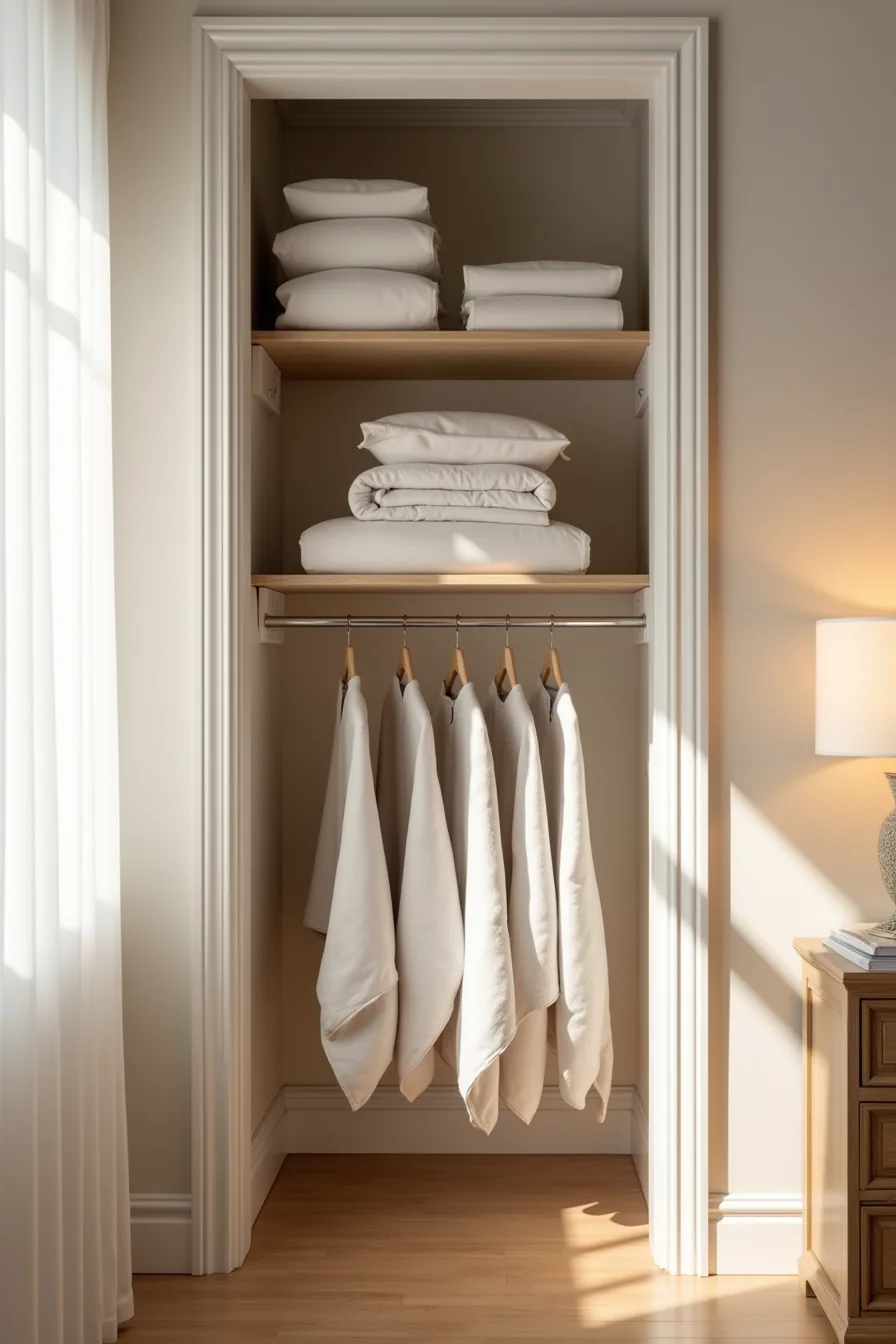
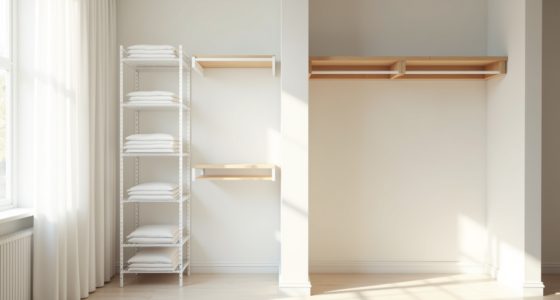
A standard closet wastes the vertical gap between the top shelf and the floor. A freestanding tiered shelf unit installed beneath that fixed shelf converts dead air into a second folded-linen zone, and adding a tension rod at waist height gives you hanging space for quilts without mounting into the walls.
This setup suits narrow, tall closets where you can’t adjust the builder-installed shelf. The tiered unit should be 12–16 inches deep and leave 2–3 inches of clearance on each side so you can pull baskets out without scraping the walls. Use a metal or coated-wire unit rated for 30–50 pounds per shelf; solid wood units look better but cost three to four times more and sag under stacked blankets.
Hang the rod 48–60 inches off the floor and test it with a firm tug, tension rods hold reliably only on painted drywall, and they fail on textured or plaster surfaces.
Fold sheets to fit the tiered shelves exactly, and use padded hangers on the rod to stop crease lines from setting into quilts permanently. Check the bottom rod’s grip monthly; a slipped rod drops a heavy quilt onto whatever is stored below.
Linen Closet Organization Ideas: Budget, Renter, and Investment Routes
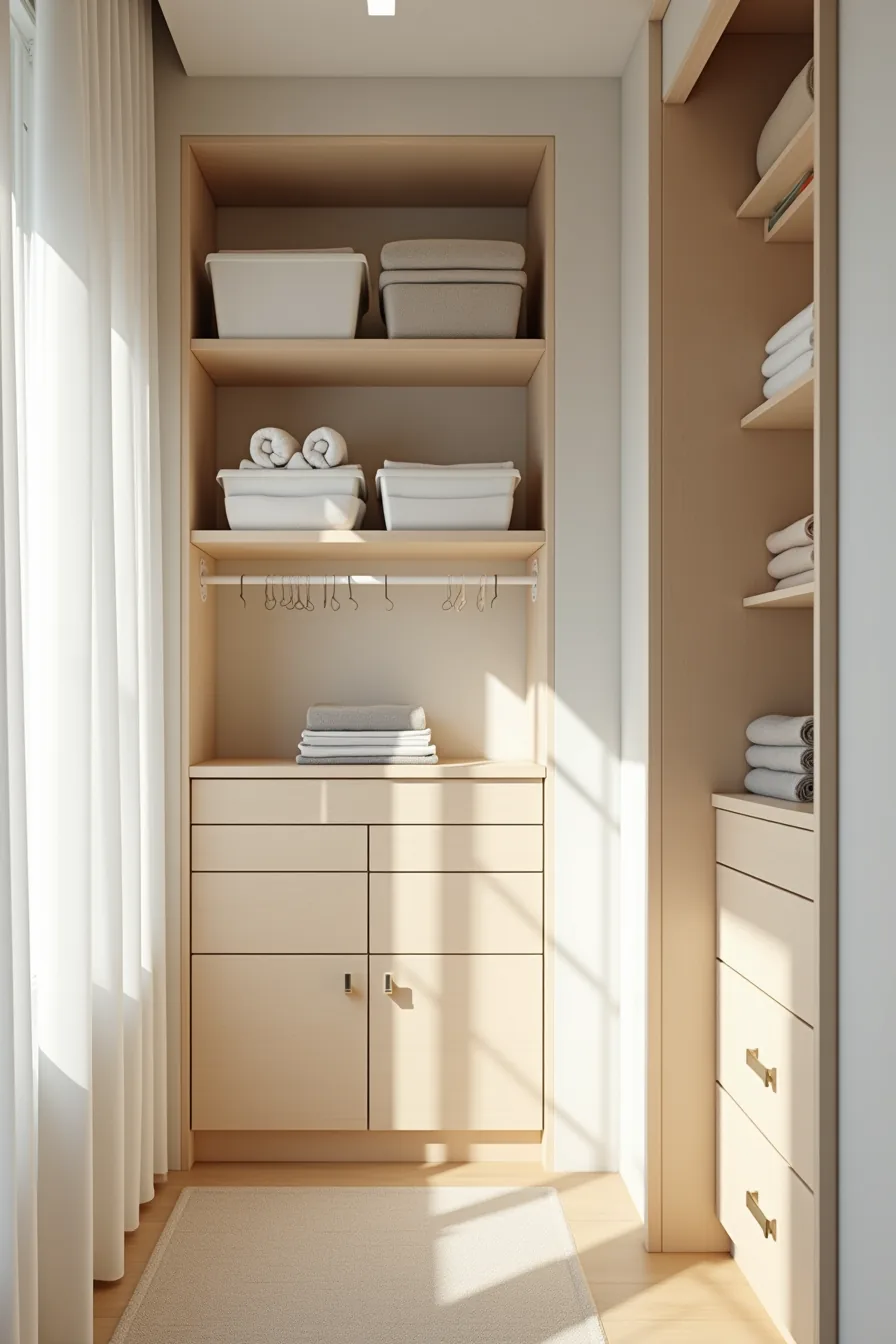
The budget route uses clear plastic bins sized 10–14 inches deep, stacked no higher than four tall. Expect to replace them in 3–5 years as corners crack; label the short end facing out so you identify contents without pulling bins. This suits renters and anyone whose storage needs change seasonally.
The renter-friendly route pairs tension rods with removable adhesive hooks rated for 5–10 pounds. Mount the hooks on the inside of the closet door to hold rolled towels, and set the rods 6–8 inches below a fixed shelf for lightweight throws. Nothing here damages paint or drywall, and the whole system relocates in under an hour.
Avoid this for heavy comforters, adhesive hooks fail without warning above 10 pounds.
The investment route is built-in cabinetry with fitted drawers on soft-close slides and solid wood doors. Budget 40–60% more than a freestanding wardrobe of similar volume, and plan for a 15–20 year lifespan. This suits homeowners with deep closets (24+ inches) who want dust-proof storage and don’t plan to move.
The trade-off: built-ins are permanent, so your shelving configuration must match how you actually fold, not how you wish you did.
Your first 30 minutes
Grab a tape measure and a timer. Measure shelf depth (most utility closets run 12–16 inches deep), height between shelves, and door swing clearance. Set the timer for 20 minutes, remove everything onto the floor, sort into keep/donate/relocate piles, then spend the remaining 10 minutes returning only items that fit your measured space.
Toss anything expired, stained, or unused for 12+ months. One shelf at a time, work top-down so dust falls onto already-cleared surfaces. Stop when the timer ends; finish the remaining shelves tomorrow.
A 20-minute daily block beats one exhausting weekend marathon.
Frequently Asked Questions
How do I organize a linen closet in a small apartment or rental?
Use over-the-door racks and tension rods to add vertical storage without drilling. Stack bins by category, and keep only current-season linens inside. Store off-season items in vacuum bags under your bed.
What is the best way to store bed linens to prevent wrinkles and odors?
Store freshly laundered, completely dry linens flat inside a single pillowcase, this keeps sets together and blocks dust. Add a cedar sachet or lavender pouch to deter mildew and mustiness. Never store damp fabric.
Should I fold or roll towels and sheets in a linen closet?
Roll towels for compact, visible stacking that prevents creases; fold sheets flat to avoid deep wrinkles. For sheets, fold once lengthwise and twice widthwise, then place inside their matching pillowcase. Rolling works best for narrow shelves.
How often should I reorganize or audit my linen closet inventory?
Audit every three months, seasonally, to rotate heavy blankets and swap in lighter options. Remove stained, frayed, or unused items immediately. A full re-fold and wipe-down of shelves takes under 30 minutes and keeps inventory current.