Rug texture is the single most underrated tool in interior design, silently dictating how a room feels underfoot, how it absorbs sound, and how it frames your furniture, and choosing the wrong one means living with a daily sensory mismatch between your eyes and your feet. That mismatch is fixable, but only if you match the fiber and weave to how you actually use the space, not just how it photographs. The six approaches that follow range from a sub-$200 solution for renters to a decade-long wool investment, each with the specific maintenance and proportion trade-offs you need before you buy.
Key takeaways
- Flatweaves shine in high-traffic zones like hallways and entryways, where their low profile prevents tripping and their dense weave resists wear; plush piles belong in low-use bedrooms or seating areas.
- Layering a flatweave beneath a plush rug boosts tactile interest while protecting high-wear edges, but keep the top rug at least 8–12 inches from the room’s perimeter for safe, even foot traffic.
- Seasonal texture switches cost little if you rotate two flatweaves and one plush rug rather than replacing: a summer cotton kilim (washable) and a winter wool plush offer contrasting coolness and warmth.
- Renter-friendly texture comes from washable synthetic flatweave rugs with non-slip pads, typically 10–15% the cost of wool, which you can fold and store for the next apartment without commitment.
Flatweave vs Plush: Choosing Your Base Texture
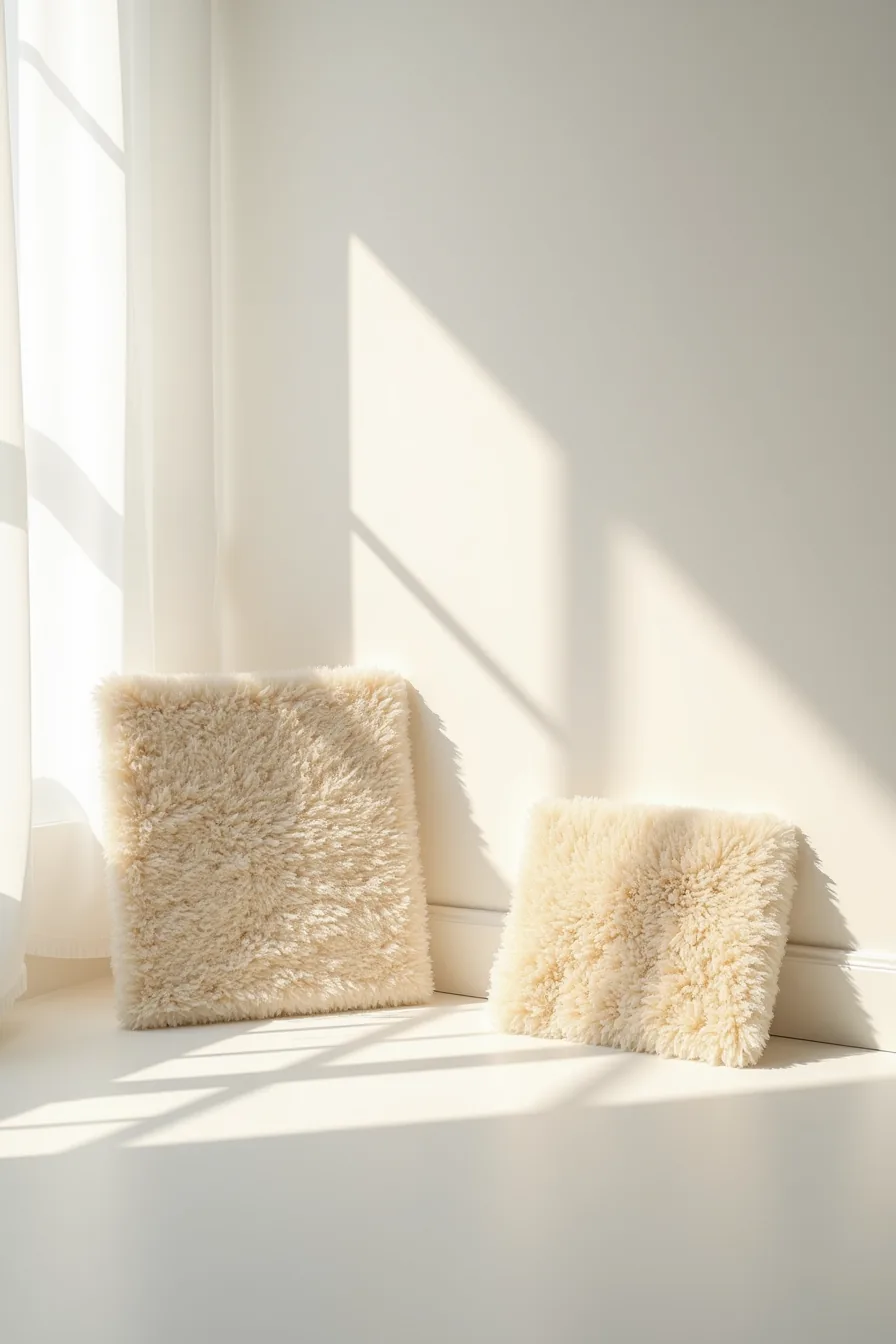
Your foundational rug texture choice comes down to two construction methods: flatweave and plush. A cross-section view of a flatweave sample shows thin, horizontal threads lying flush against the surface, while a plush sample displays a deep, cut pile standing upright. That visual difference translates directly into performance.
Flatweave rugs, including kilim, dhurrie, and sisal, have no pile to crush, so they handle foot traffic, chair casters, and pet claws with minimal wear. You’ll pay less upfront, often 30–50% less than comparable plush options, and cleaning is straightforward with a vacuum and spot treatment. The trade-off is underfoot comfort: you feel the hard floor beneath, which makes them a poor choice for bedrooms or anyone who stands for long stretches.
Plush rugs, such as saxony or frieze, offer a soft, cushioned surface that absorbs impact and noise. They suit living rooms and bedrooms where comfort matters more than durability, but they require more maintenance, daily vacuuming to prevent matting and professional cleaning every 12–18 months. If you want a middle ground, look for a low-profile plush with a dense, twisted fiber; it delivers softness without the deep pile that shows footprints and vacuum marks.
High-Traffic Texture Solutions for Entryways and Hallways
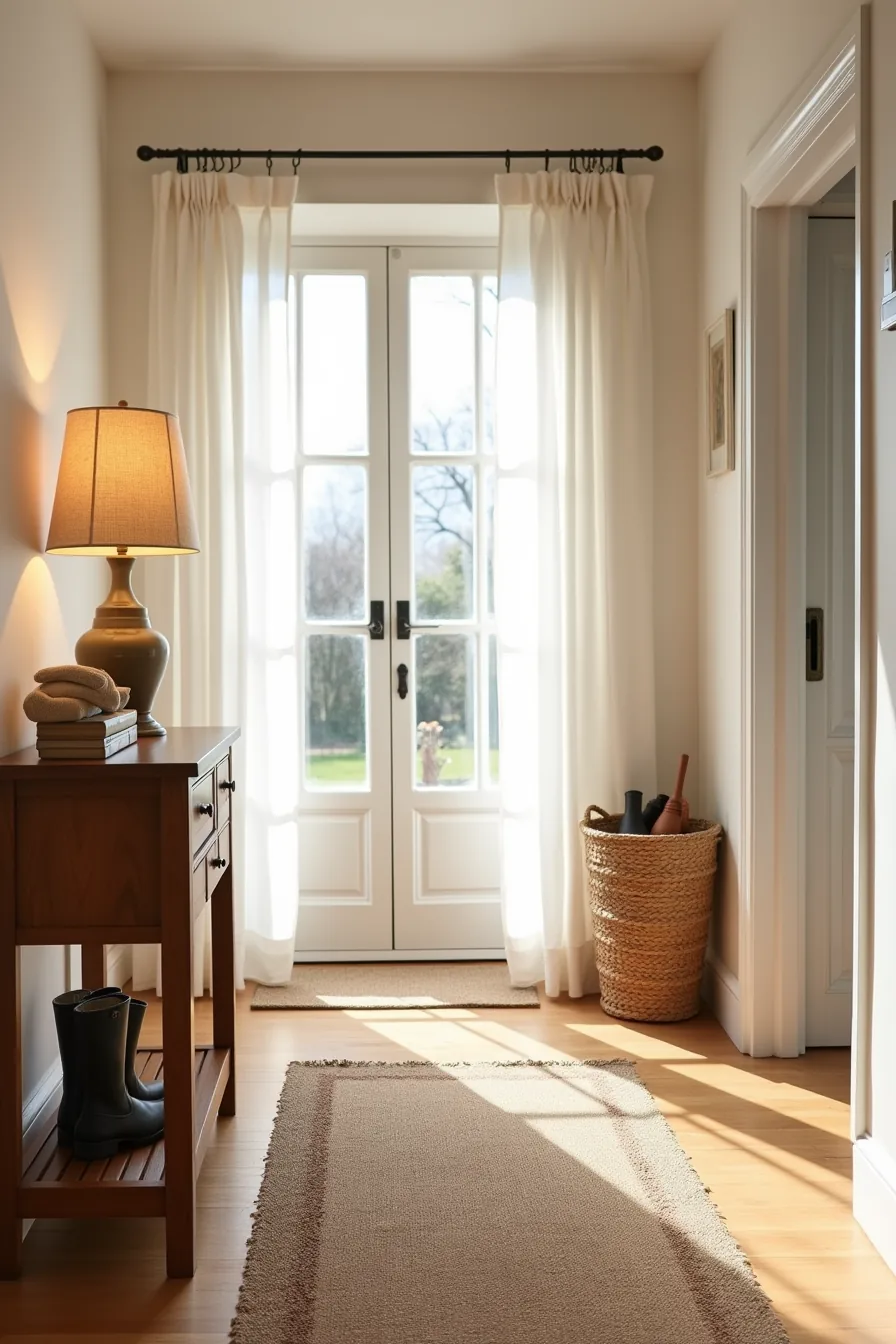
Entryways demand a texture that hides grit before it reaches your living room. A low-pile jute and wool blend performs this job well: the tight weave keeps mud and salt on the surface rather than letting it sink into a deep pile, and the natural fibers’ irregular coloring masks the dirt that does collect. Under a wooden console table, with a woven basket and boot tray nearby, this setup absorbs the daily drop zone without demanding constant attention.
Flatweave wool is a stronger option for hallways where traffic never stops. It resists crushing, and you can shake or vacuum it weekly to release embedded debris. Avoid loop-pile Berber here, pet claws snag the loops, and chair wheels catch on the weave.
Choose a dark, multi-toned pattern to camouflage scuffs, and expect to replace a high-traffic runner every 3–5 years depending on daily use.
Layered Tactile Look: Combining Multiple Textures
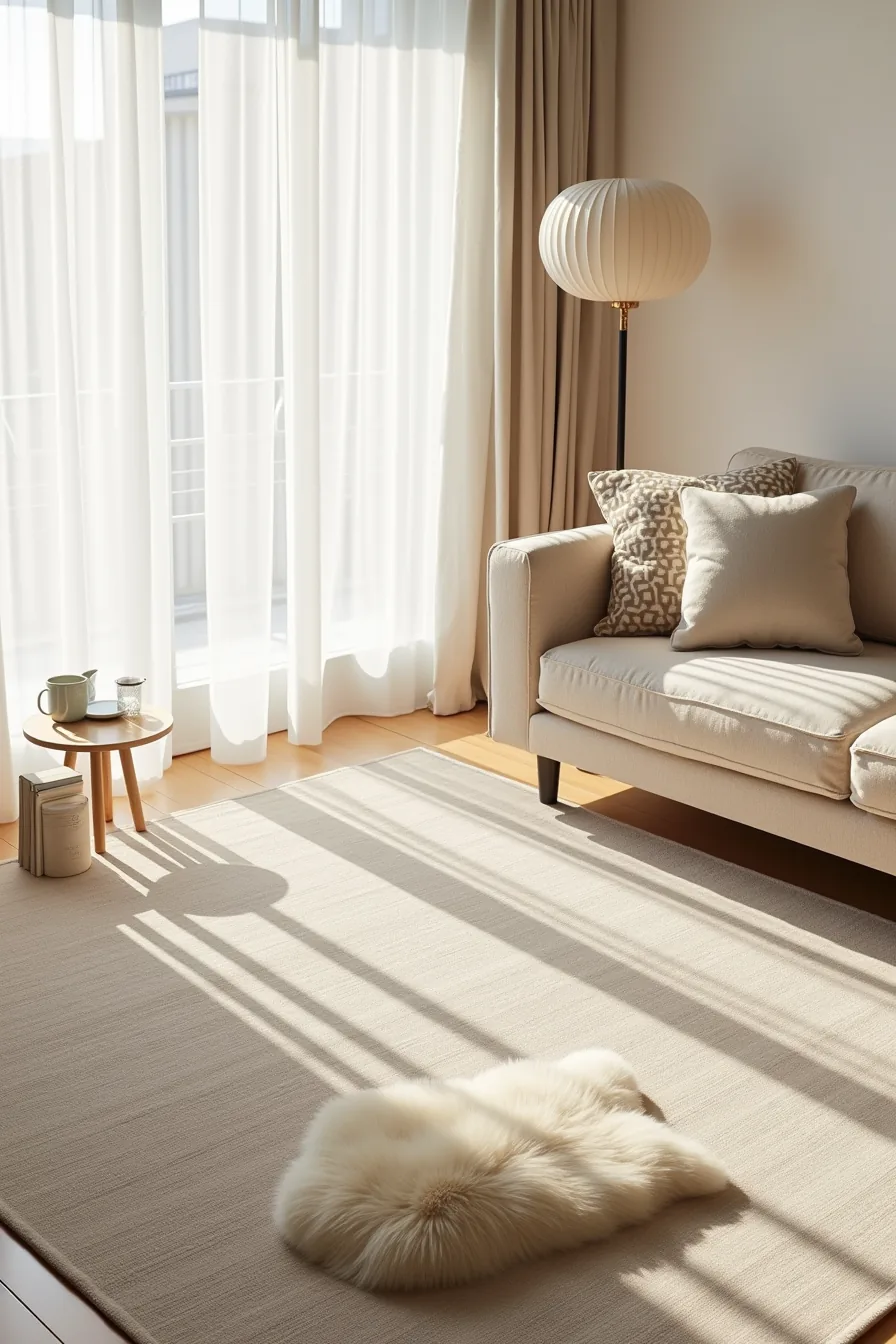
Stacking rugs converts a single flat surface into a deliberate composition. The layered tactile look works because it pairs contrasting densities: a large natural linen rug forms a smooth, breathable base, while a smaller geometric wool rug adds structured pattern and a firmer footfall. Drape a sheepskin throw rug in one corner to introduce a third, plush layer that invites bare feet.
This approach suits living rooms where you want to define a seating zone without committing to one dominant material. Edge layering, offsetting the top rug rather than centering it, exposes the base texture and creates the visible depth that makes the arrangement feel curated. Keep the top rug roughly two-thirds the size of the base layer; anything larger flattens the contrast, and anything smaller reads as an accident.
For maintenance, wool and linen tolerate spot cleaning, but the sheepskin needs professional cleaning annually to keep its loft.
Rug Texture Ideas for a Cozy Seasonal Refresh
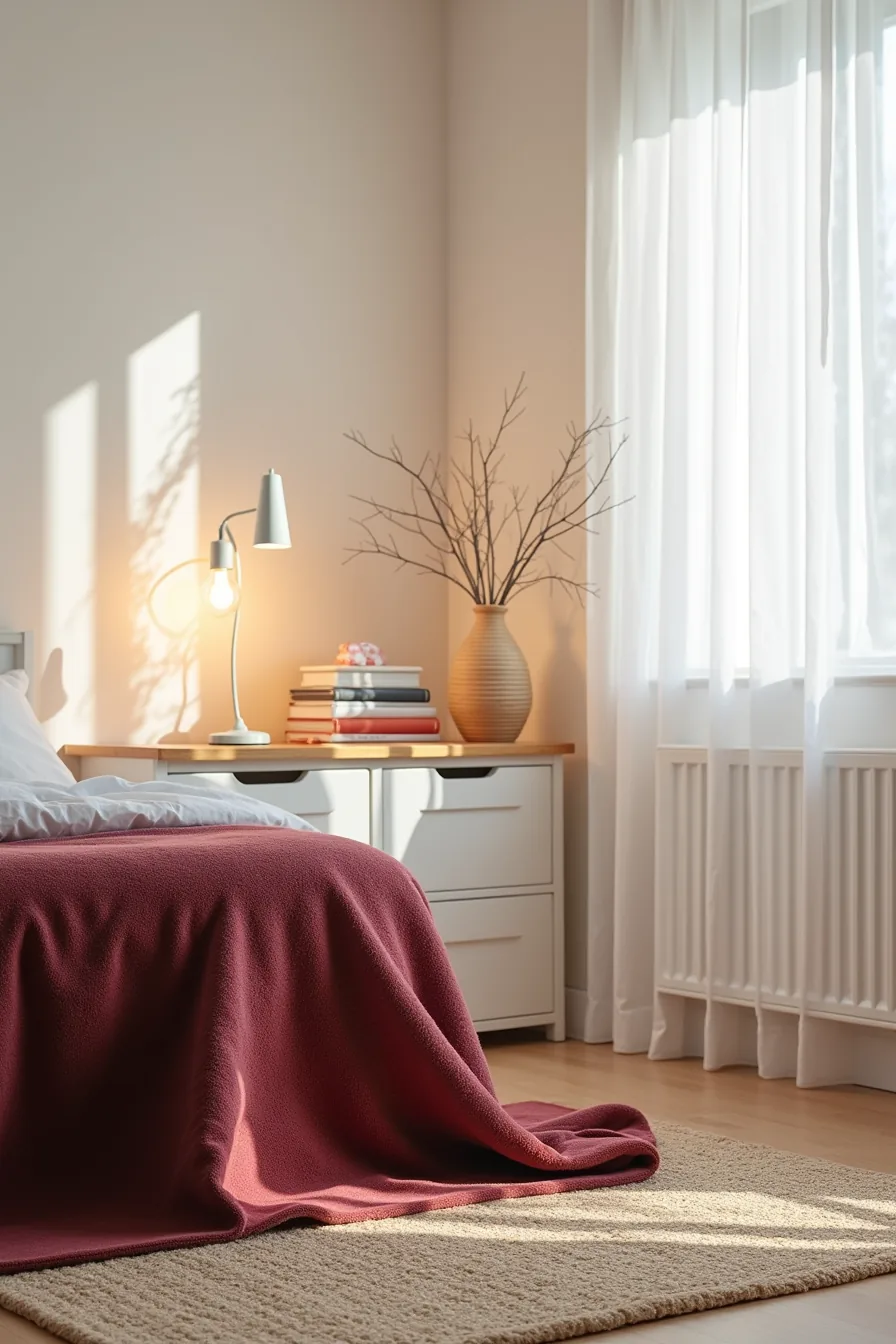
Rotating textures by season gives you two distinct atmospheres for the price of one floor. In winter, a thick wool rug in deep burgundy delivers insulation and softness; in summer, a lighter sisal rug keeps the room visually cool. The transition setup works best when you store the off-season rug rolled, not folded, folding creates permanent creases that take months to relax.
Position a tall storage shelf unit near the door to make the swap a five-minute task. Roll the wool rug with the pile facing inward to protect the fibers, then lean it against the shelf where air circulates around it. Sisal suits high-traffic months because it hides dust and withstands humidity, but it feels rough underfoot, place it in zones where you walk, not where you sit.
Switch when the average temperature crosses 65°F, and vacuum both rugs before storage to prevent moth damage.
Budget, Renter, and Investment Routes for Texture
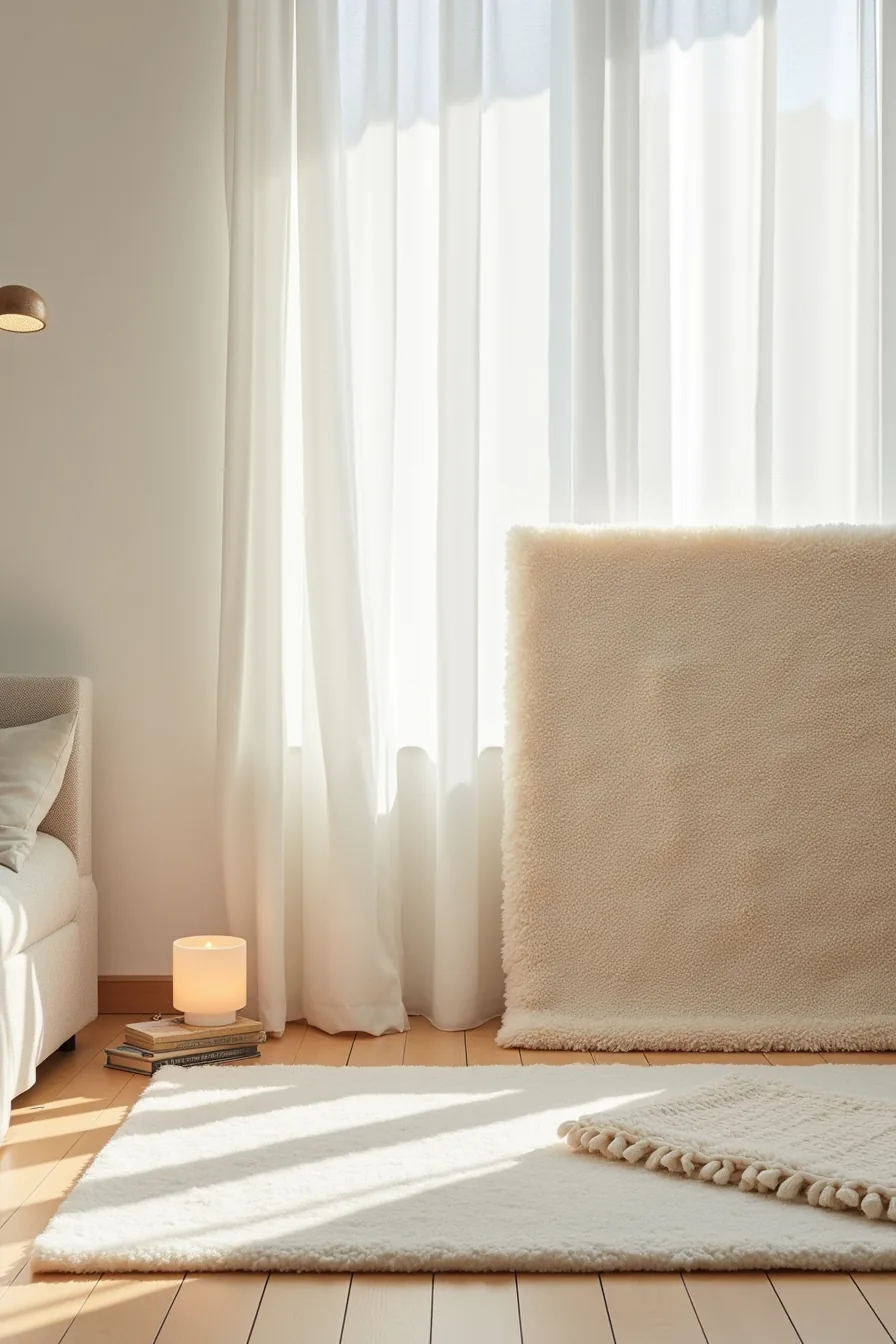
Your budget determines the realistic lifespan of the rug, so match the material to how long you plan to keep it. A synthetic polypropylene rug with a grid pattern costs the least and handles spills, pets, and sun exposure without fading, but it flattens permanently under heavy furniture within two to three years, treat it as a disposable layer for a home office or rental living room.
For renters, a rug with removable adhesive corner pads solves the two biggest problems: it stays flat on carpet without tacking, and it leaves zero residue when you move. The pads reposition easily, so you can rotate the rug to balance wear, and the synthetic face cleans with a damp cloth, no professional washing required before your security deposit inspection.
A hand-knotted wool rug represents the investment tier, with a dense pile that springs back for decades and natural lanolin that resists stains. The trade-off is upfront cost, typically three to five times a synthetic equivalent, plus professional cleaning every 18 to 24 months and a sensitivity to moisture that rules out basements and sunrooms. Choose wool when the rug anchors a room you intend to live in for ten years or more.
Scaling Rug Texture to Your Room Size
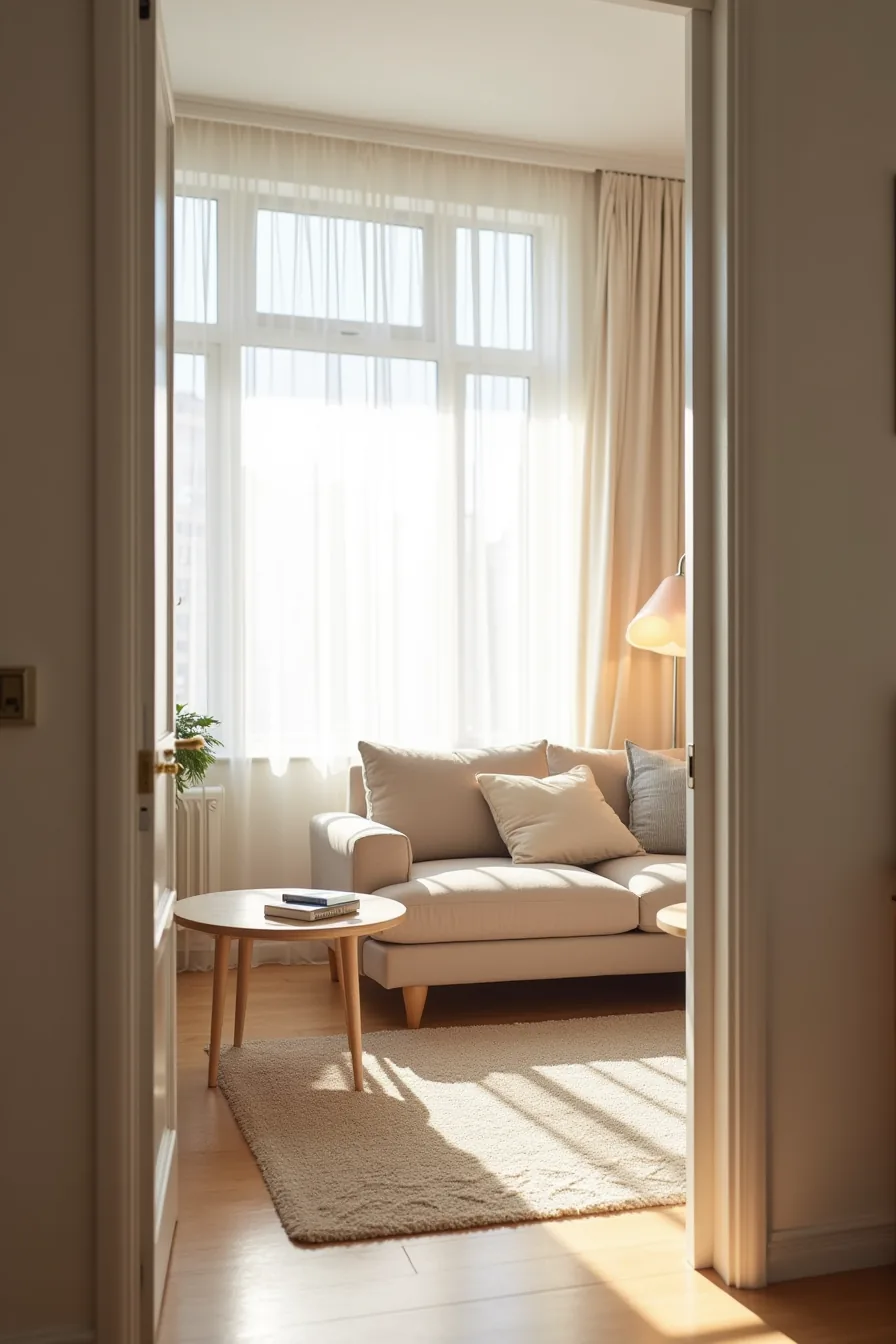
In a small studio, texture weight matters more than pattern. The 5×7 footprint with its low pile and subtle geometric design works because it defines the seating area without visually claiming the walls, you still see the apartment furniture edges and the doorway framing, which keeps the space open. Low pile also means the rug won’t catch on chair legs or create a tripping lip where it meets hard flooring.
For medium rooms (12×14 feet and up), step up to a mid-pile loop or flatweave in a bolder repeat. A rug that covers 60–70 percent of the floor anchors the seating zone, and a larger pattern scale prevents the texture from reading as noise.
In a large open plan, go for high pile in a neutral tone. The softness carries across the distance, and a 9×12 or 10×14 footprint defines distinct zones without the pattern competing with architectural sightlines. Match pile height to traffic, low for hallways, high for lounging areas.
Your 5-minute decision checklist
Before you buy, confirm three things: the rug’s pile height suits your traffic level, its fiber matches your cleaning routine, and its texture complements rather than fights your furniture fabrics. High-traffic entries need low piles; bedrooms can handle plush. Verify the backing won’t scratch your floors if you skip a pad.
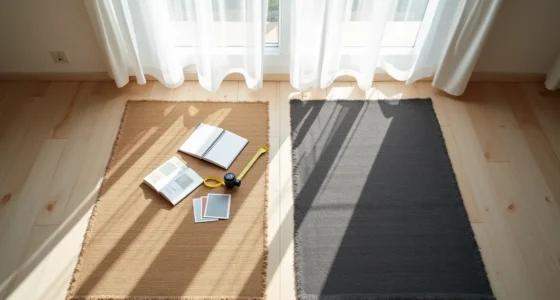
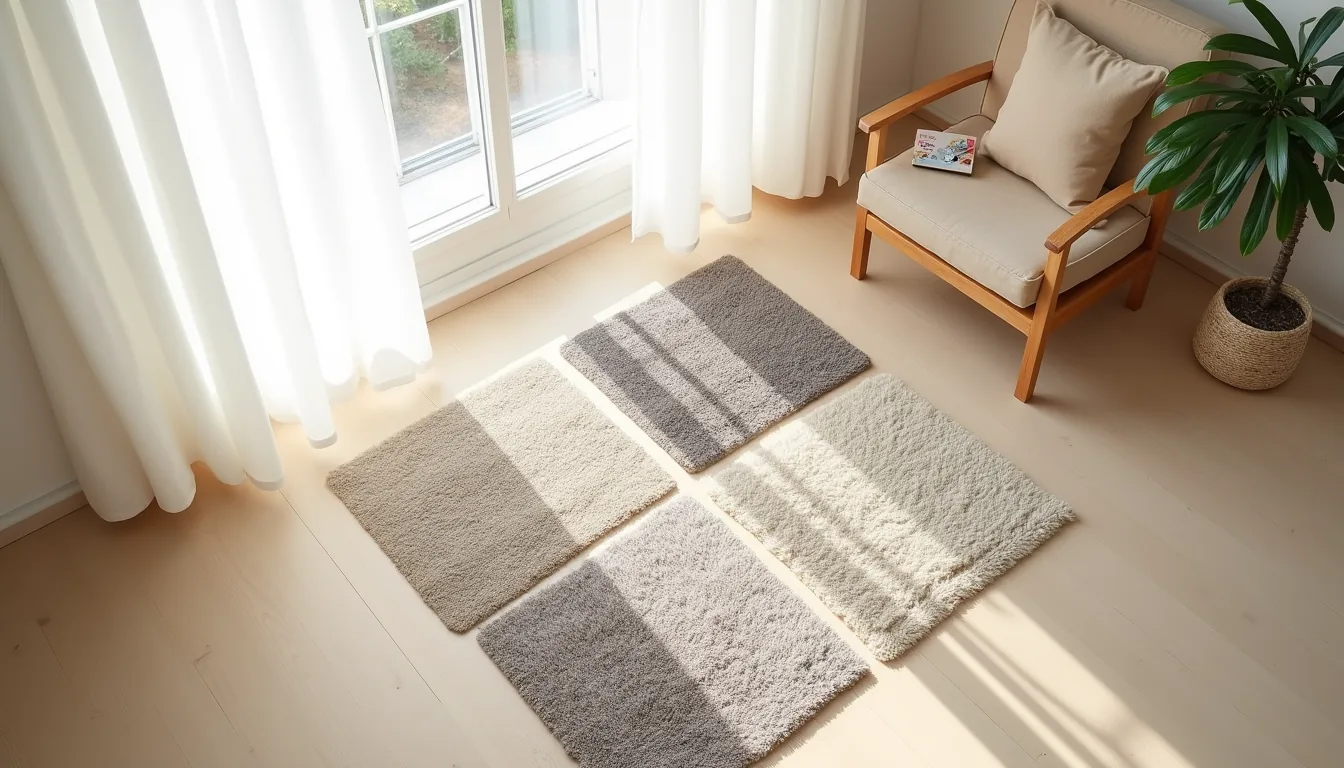
What to do first: Measure your room’s main seating zone, then order two or three texture swatches in your shortlisted materials. Live with them for a week, rub them, vacuum them, spill water on them. The right texture should feel as good under your bare feet as it looks from across the room.
Frequently Asked Questions
What is the difference between flatweave and plush rug texture?
Flatweave is thin, dense, and smooth, think kilims or dhurries, offering a firm surface that resists shifting. Plush textures feature cut, upright piles like velvet or Saxony, delivering deep cushioning underfoot but showing footprints and requiring more maintenance.
Which rug texture is best for high-traffic areas like kitchens and hallways?
Choose low-profile flatweaves or looped Berber with tight, short piles. These resist crushing, hide dirt, and clean easily. Avoid high-pile plush, which mats quickly and traps crumbs in kitchens or muddy tracks in hallways.
Can you layer rugs with different textures, and how do you do it without it looking messy?
Yes, layer a flat, natural-fiber base like jute or sisal with a smaller, plush or patterned top rug. Keep a 12–18 inch border of the base visible, align edges parallel, and anchor corners with rug pads to prevent slipping or bunching.
What rug textures work best for seasonal decorating changes?
Switch to lightweight flatweaves (cotton or wool) in summer for a cool, breathable feel. In winter, swap in high-pile shag or thick wool textures for warmth and insulation. Store off-season rugs rolled with cedar blocks to prevent mustiness.