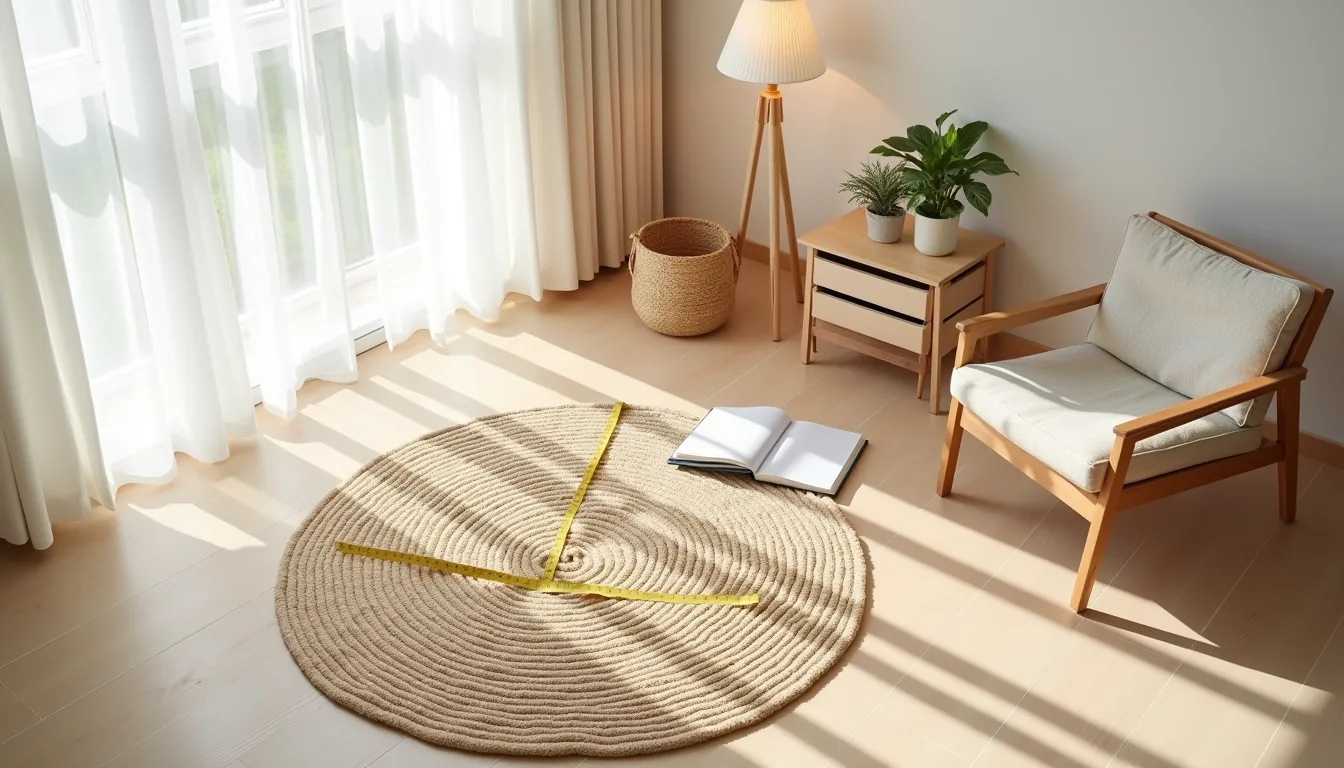

A small rug works only when it earns its floor space, and these six placement strategies show you exactly where it does. Whether you’re anchoring a reading chair, defining an entry, or softening a galley kitchen, the difference between a floating mat and a deliberate design choice comes down to proportion, traffic flow, and material. You’ll learn which setups justify the investment, which ones demand a budget-friendly alternative, and how to avoid the common mistake of centering a rug where it does nothing.
Key takeaways
- Size first: A rug should extend at least 6–8 inches beyond your furniture’s front legs in a seating area, or it will look like a floating mat.
- Entry logic: In a hallway or entry, choose a runner with a non-slip backing and a low pile (under 0.5 inches) to avoid tripping and to catch moisture without trapping dirt.
- Layering works: Place a small 4×6 rug over a larger neutral sisal or wool rug to define a reading nook; secure both with rug grippers to prevent shifting.
- Budget trade-off: For under $100, a polypropylene flatweave offers stain resistance and easy hose-cleaning, but expect a 3–5 year lifespan versus 10+ years for wool.
Define Your Purpose Before Choosing Size
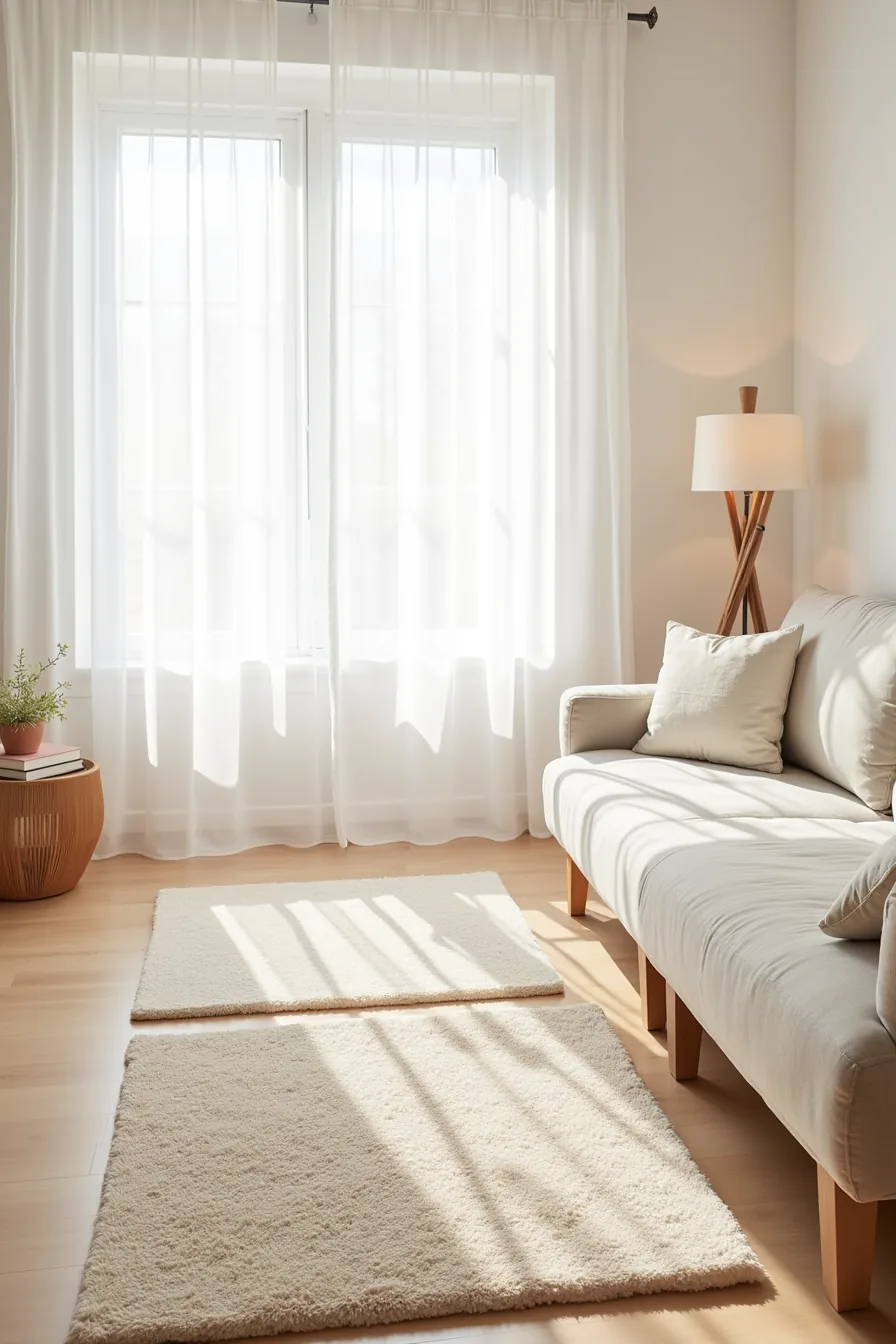
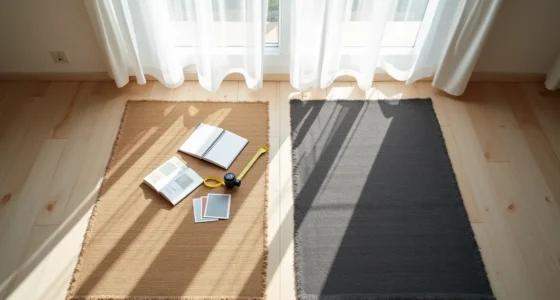
Small rug ideas only work when the dimensions serve a defined job. On a neutral wood floor, three distinct pieces demonstrate the range: a 2×3 accent rug beside a reading chair, a 3×5 layering rug centered beneath a coffee table, and a 2×4 runner guiding a hallway path. The accent rug anchors a single seat without claiming the whole room, the layering rug adds warmth over a larger neutral or sisal base, and the runner defines movement in a narrow transition.
For a functional zoning role, measure the furniture footprint first. A small rug should extend at least 6–8 inches beyond the front legs of a chair or sofa, but stay under 40% of the room’s total floor area to avoid shrinking the space visually. If you only need visual softness, a 2×3 or 3×5 works in bedrooms, entryways, or beside a bed.
In open layouts, use a 4×6 only when it separates a seating group from a walkway without blocking traffic. Match the rug’s purpose, anchor, layer, or route, before you consider pattern or pile, and you’ll avoid the most common mistake of buying a rug that’s either too small to matter or too large to frame.
Best Spot for a Small Rug: Entry and Transition Zones
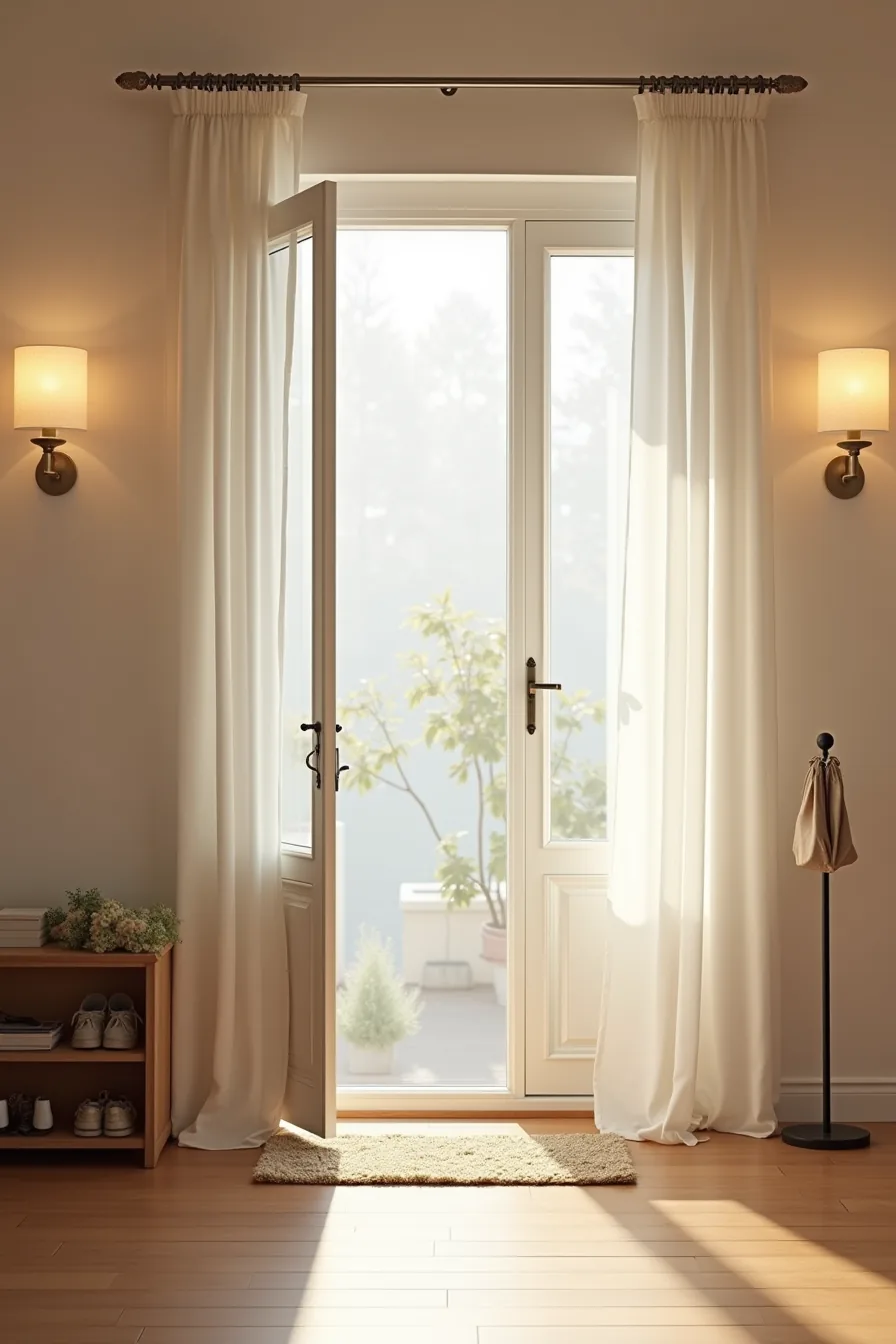
The entryway is the highest-traffic zone in most homes, which makes it the most demanding, and most rewarding, spot for a small rug. A 2×3 rug placed at the front door threshold does two jobs simultaneously: it catches grit and moisture before they travel deeper into your home, and it visually signals where guests should pause to remove shoes. The compact size works because it covers the landing zone without extending into the path of the door swing or creating a lip that catches heels.
A shoe rack and umbrella stand flanking the rug complete the functional triangle. Position the rug so its leading edge sits 2–3 inches inside the door’s sweep radius, and ensure the rug pad underneath is non-slip and no more than 3/8-inch thick to keep the transition flush. For hallways and mudrooms, swap to a 2×3 runner orientation or a 3×5 laid lengthwise; just keep the rug’s total length under 60% of the corridor’s length so it reads as a deliberate accent rather than wall-to-wall coverage.
This is the best spot for a small rug when you need maximum durability and minimum visual footprint, just choose a low-pile polypropylene or flat-weave wool that can handle weekly vacuuming and occasional spot cleaning.
Layer Over Larger Rug for Texture and Visual Interest
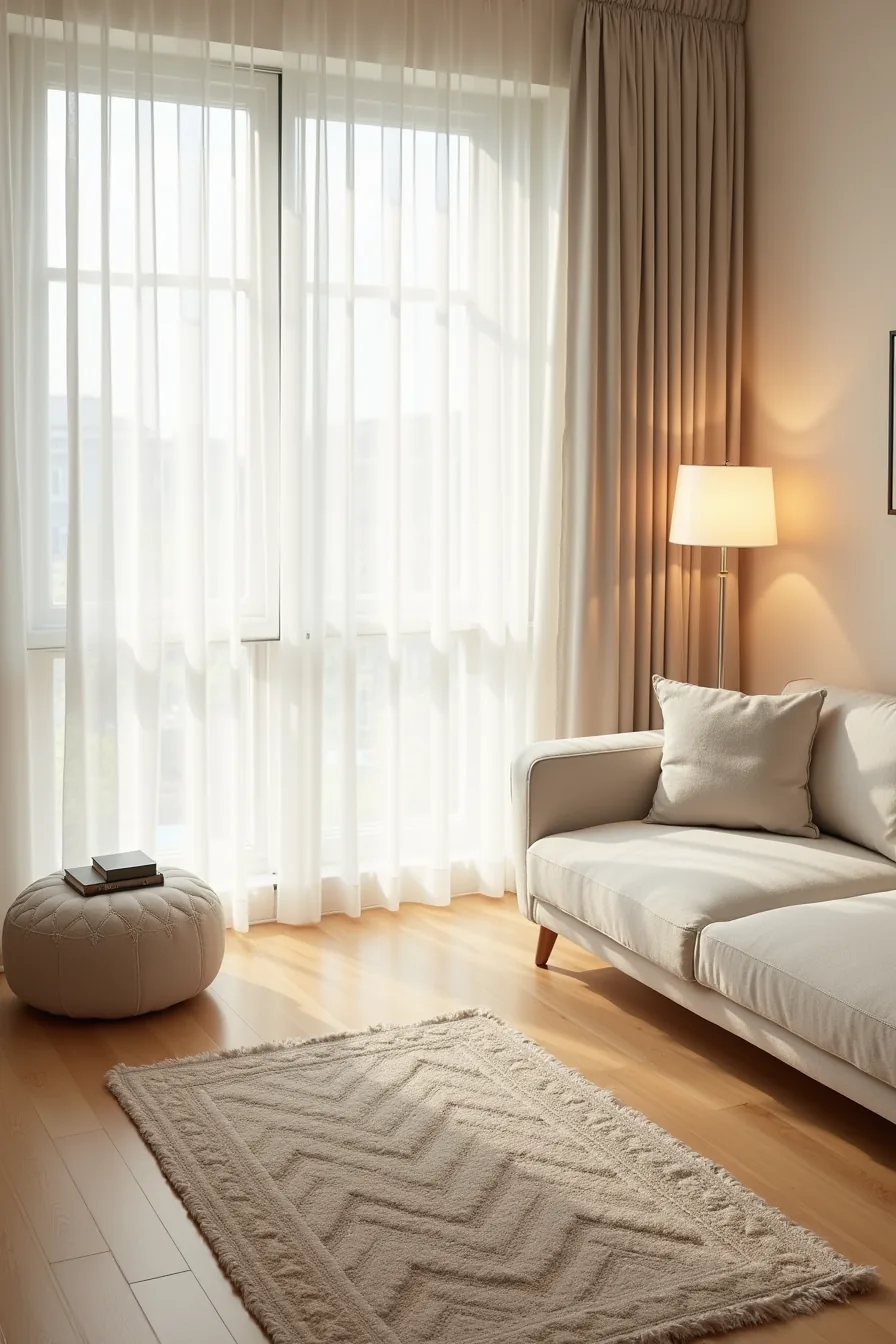
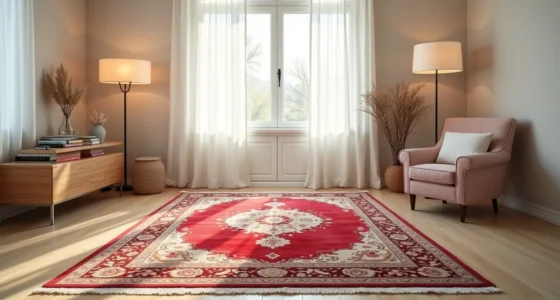
Stacking a smaller patterned rug diagonally across the corner of a large neutral base rug creates depth without competing for floor space. The offset placement is the key: position the top rug so its edges sit 6–12 inches inside the base rug’s perimeter on two sides, breaking the parallel alignment that makes layering look like a mistake. This corner-anchored arrangement works best in living rooms where a sofa’s front legs rest on the base rug, leaving the layered corner as a deliberate focal point near an armchair or reading nook.
Pair a low-pile patterned rug over a thick, looped base rug to give the eye contrasting textures to read. Both rugs on hardwood flooring stay put when the top rug measures roughly one-third the base rug’s area, a 5×8 base pairs naturally with a 3×5 or 4×6 top layer. Budget route: buy a cotton flat-weave top layer for $40–80 and refresh it seasonally.
In bedrooms, layer a small wool rug beside the bed for a warm landing zone that softens a hard-edged base. Ensure the stacked rugs stay within ¼ inch of combined pile height to prevent a tripping lip at the edges.
Accent Zone Styling in Open Layouts
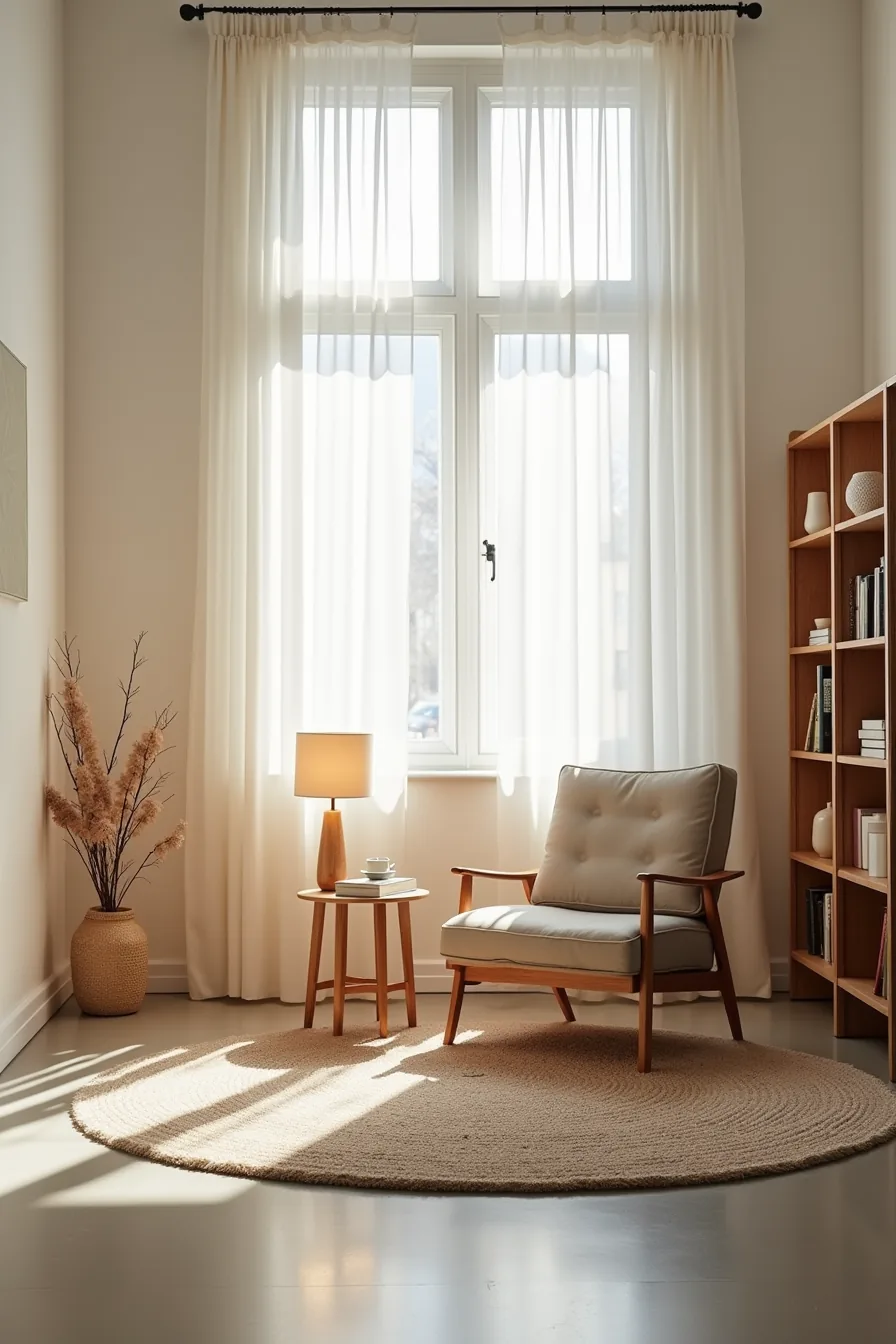
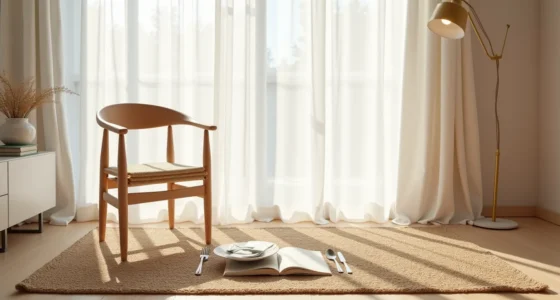
In a studio or open-plan room, a small rug is the fastest way to make a corner read as a deliberate destination rather than leftover floor space. Anchor a reading nook by placing the rug so its front edge sits beneath the front legs of your armchair, with the side table and bookshelf fully on the rug, this creates a contained island that defines the zone without needing walls. Choose a rug that extends at least 8–12 inches beyond the chair’s footprint on all sides, so the sitting area feels generous rather than cramped.
Color coordination matters more than pattern here: pull one accent hue from the armchair’s upholstery or the bookshelf’s spines into the rug to tie the grouping together. This approach suits renters because the rug makes no permanent changes, and it adapts to any space size, use a 4×6 in a tight studio corner or a 6×9 to anchor a larger office-and-seating combo. A low-pile wool or flat-weave rug works best under chairs that slide, since it won’t catch casters or show heavy compression marks.
Small Rug Ideas for Narrow Rooms and Corners
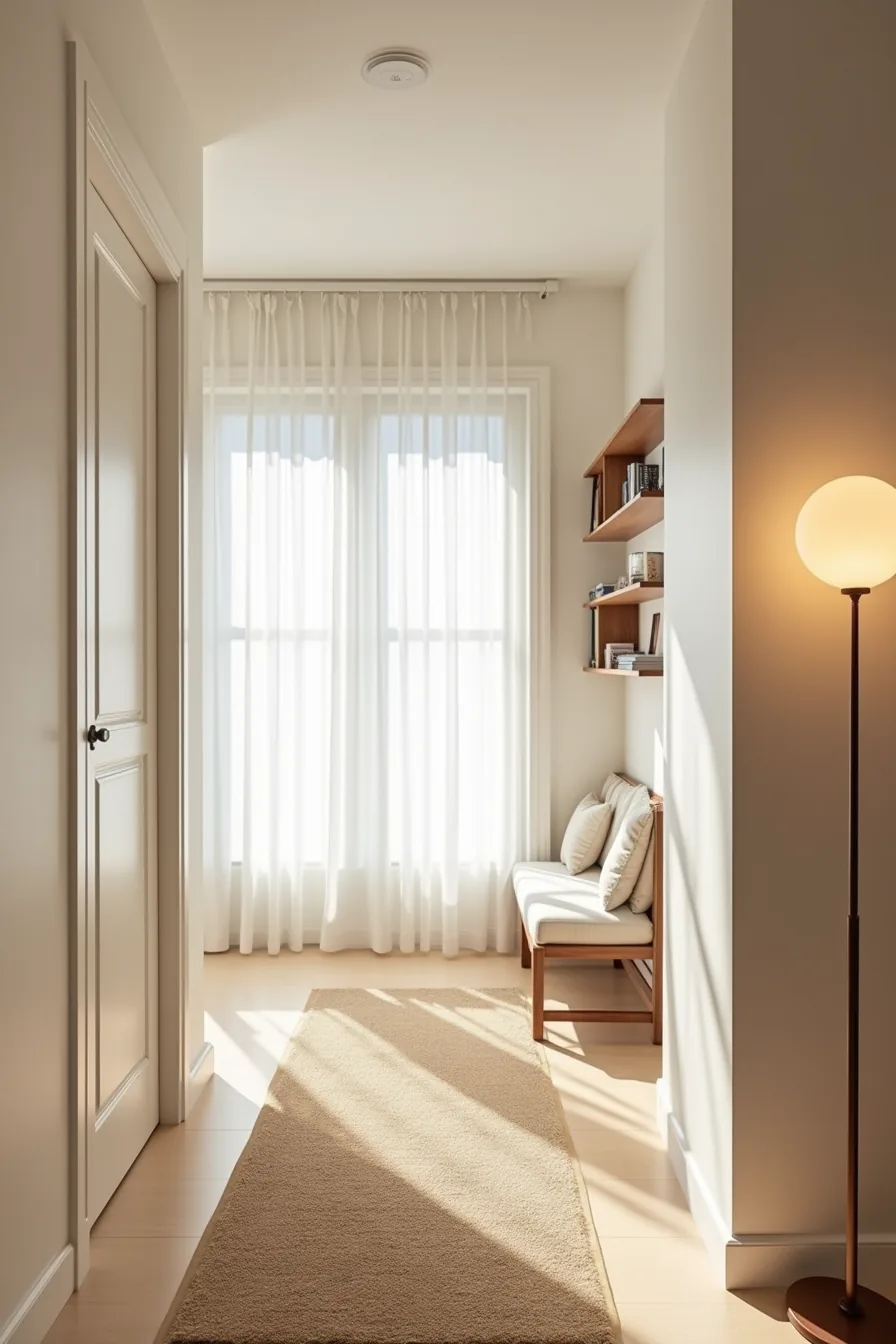
Take a cue from a hallway that runs the length of a tight space: a 2×4 runner rug centered along the floor’s long axis instantly draws the eye forward, making the corridor feel intentional rather than leftover. The runner’s edges should sit at least 6–8 inches away from both walls, so it reads as a clear path without visually narrowing the space further. A bench at the far end and wall-mounted shelving on both sides complete the setup, the rug ties their disparate heights together into one cohesive line.
For corners in small rooms, bypass standard rectangles entirely: a 3×5 or 4×6 rug placed diagonally under a compact armchair softens the right angles and fills the dead zone without crowding. Select a flat-weave with a subtle geometric border, it guides traffic naturally toward the center of the room, keeping the corner from feeling like a cul-de-sac. You can reproduce this with any runner between 2×6 and 2×8 feet, depending on your hall length.
Material, Maintenance, and Budget Routes
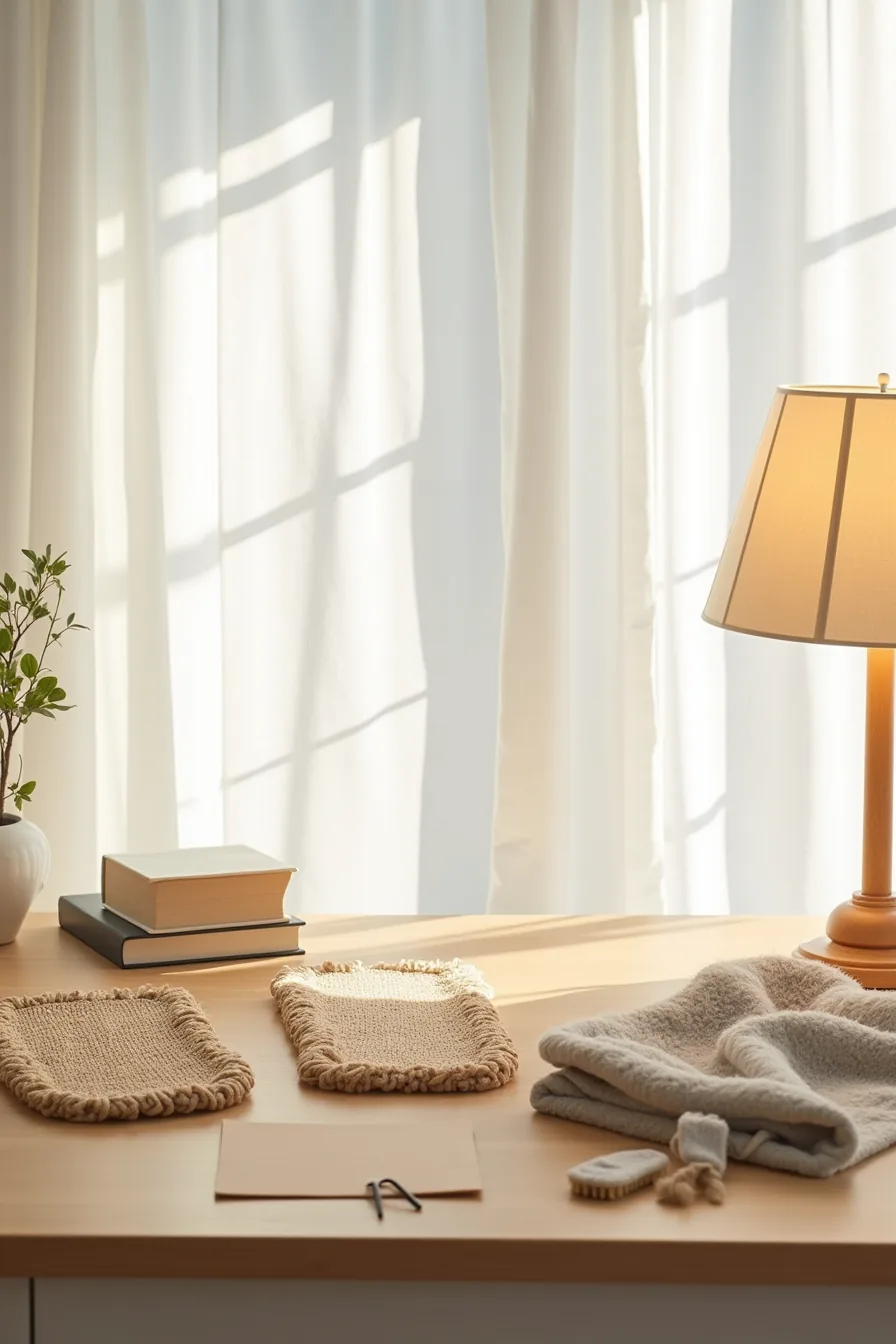
For a renter-friendly route, polypropylene is your pick: it resists stains, sheds minimally, and cleans with a quick vacuum and a spot-damp cloth, no professional treatment needed. Lay a 4×6 polypropylene rug in a high-traffic kitchen or entry and expect five to seven years of service before fading or crushing appears.
Jute brings a natural, textured warmth but demands more care: it stains easily, dislikes moisture, and should be vacuumed weekly with a brushless attachment to prevent fiber breakage. Budget roughly $80–$150 for a quality 3×5 jute rug, and keep it in a low-traffic bedroom or reading nook rather than anywhere near spills.
Wool is the long-term investment. A 3×5 wool rug runs $200–$400, but it resists crushing, hides dirt in its fibers, and can last decades with biannual professional cleaning. Match the material to your reality: polypropylene if you need easy living, jute for texture on a budget, wool if you want to buy once and never again.
Start with your floor plan
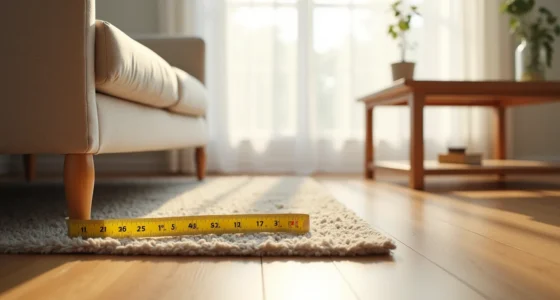
Before you buy anything, measure the furniture you intend to place on or around the rug. A rug that works as a hallway runner at 2×6 feet will look lost under a queen bed, and a 5×8 rug will overwhelm a 4×6 entryway. Sketch your room’s dimensions on paper and mark the rug’s footprint in pencil, this takes ten minutes and prevents the most common sizing mistake.
Then, decide your non-negotiable: durability for high-traffic areas, washability for pets, or a natural fiber for a long-term investment. Match the rug to the room’s function first, aesthetics second.
Order a sample swatch before committing. Place it in the actual room, under your lighting, for two days. If you hesitate even once, keep looking, the right small rug will feel obvious in context.
Frequently Asked Questions
What size counts as a small rug, and how do I measure my space?
A small rug typically measures 3×5 feet or smaller, including runners and 2×3-foot accents. Measure your seating or entry area’s footprint, then subtract 6–8 inches on all sides to avoid crowding.
Can I use a small rug in a large room without it looking lost?
Yes, anchor it to a distinct zone, under a coffee table, beside a bed, or in a reading nook. Keep the rug’s pattern bold and its color contrasting with the floor to define the area visually.
What’s the best material for a small rug in a high-traffic area?
Polypropylene or a wool-poly blend resists staining and abrasion, with a low pile (under 0.5 inches) for easy vacuuming. Avoid silk, viscose, or high-pile wool, which crush and show wear quickly.
How do I layer a small rug over a larger one without bunching?
Place the small rug on a flat, low-pile base rug, then secure it with double-sided carpet tape at all four corners. Choose a thin, flexible small rug, not a thick shag, to reduce shifting and tripping hazards.