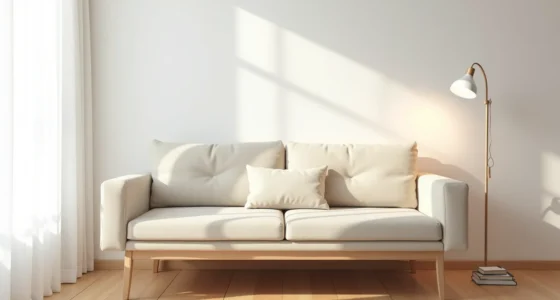
Sofa fabric texture smooth isn’t a single look, it’s a design decision that determines how your living room feels, wears, and photographs, and getting it right starts with understanding the six distinct textures that actually deliver on both style and practicality. From the crisp durability of a flat weave to the forgiving depth of a chenille, each option changes your maintenance routine, your pet’s behavior, and your room’s perceived size. You’ll also see which textures hide crumbs, which reflect light to open a small space, and which justify a higher price per yard.
Below, each choice is paired with a realistic room scenario and a clear trade-off, so you can match the fabric to your actual life, not just a catalog photo.
Key takeaways
Fine weaves read as formal and suit small rooms, while chunky weaves add casual depth but can overwhelm spaces under 150 square feet. Linen blends offer a budget-friendly smooth texture at roughly $15–$30 per yard, but require steam cleaning and wrinkle acceptance. Performance fabrics like solution-dyed acrylic cost $40–$80 per yard and resist stains, making them the long-term investment for high-traffic households. Renter-friendly slipcovers work best with stretch-knit polyester, which adapts to existing sofas without permanent hardware or adhesives.
Fine vs Chunky Weave: Which Texture Works for Your Space
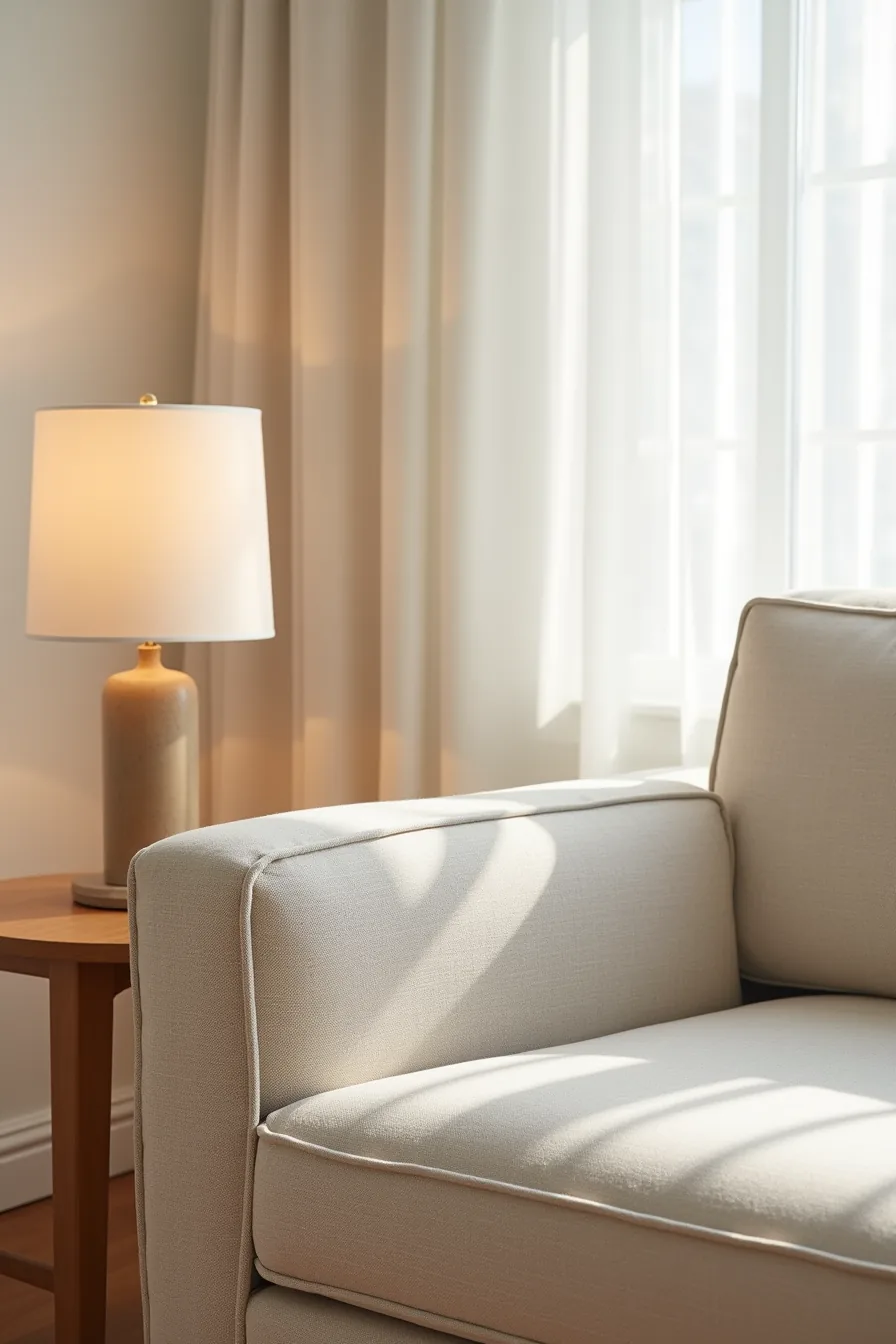
A sofa frame with two contrasting fabric panels, one tight and uniform, one loose with visible yarn gaps, makes the choice immediate. The fine weave reads smooth and formal, catching less dirt and resisting snags, which suits high-traffic living rooms or homes with pets. The chunky weave offers deeper shadow lines and casual warmth, but the open structure means crumbs and dust settle between yarns, demanding vacuuming with an upholstery attachment weekly.
For a medium-sized room, fine weaves visually recede, letting other furniture stand out; chunky weaves expand perceived bulk, so limit them to smaller sofas in larger spaces. A tight weave typically lasts 10-15 years with proper care, while a loose weave may show pilling within 3-5 years of daily use. If you favor nubby texture but worry about durability, choose a chunky weave with a high twist in the yarn, this tightens individual threads without flattening the surface feel.
Linen Blend: Budget-Friendly Smooth Texture
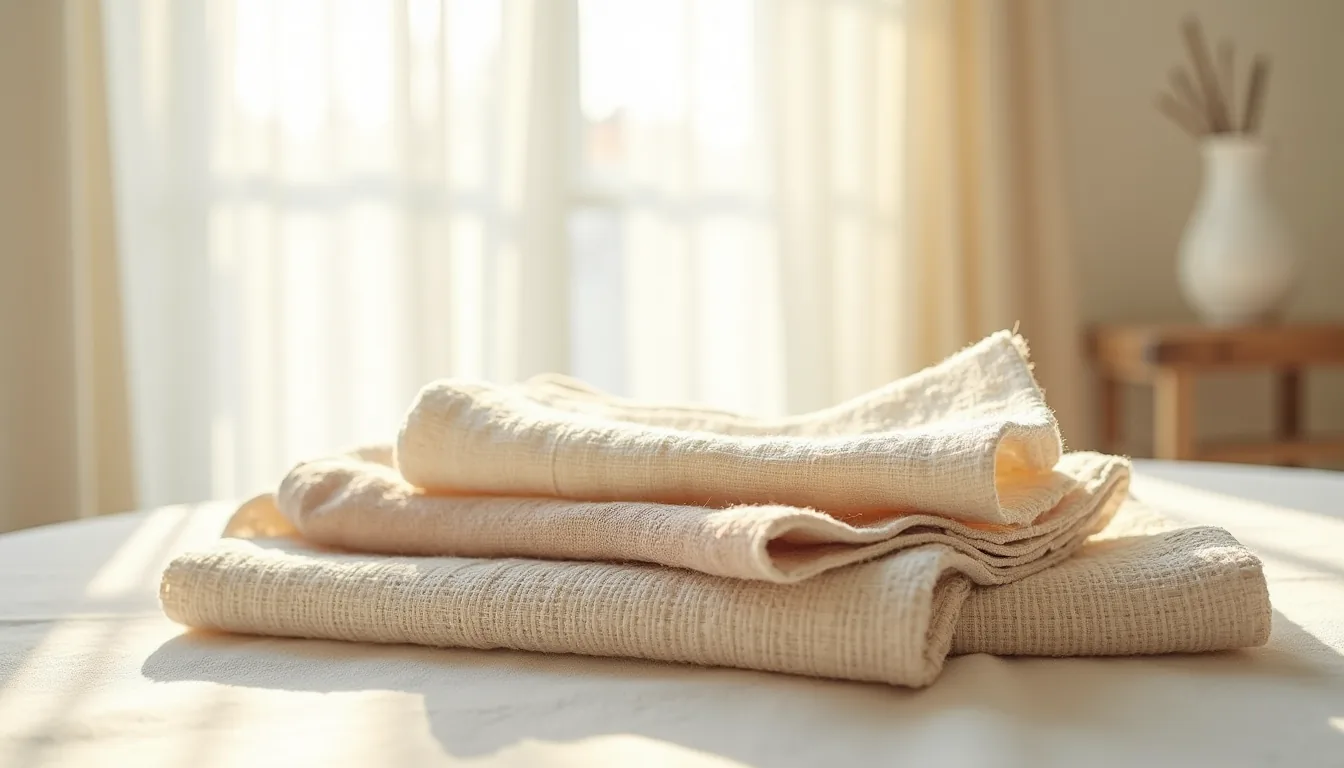
A linen-cotton blend is the most direct route to sofa fabric texture smooth without the price tag of pure Belgian flax. The cotton content stabilizes the weave, preventing the excessive wrinkling and sagging that pure linen develops within the first year, while the linen slub creates a subtle, irregular surface that reads as organic rather than manufactured. You can expect to pay roughly 30-50% less than a comparable performance poly or high-end wool option, with most blends landing in the mid-range of sofa pricing.
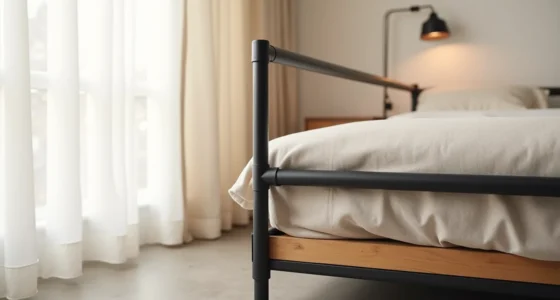
The blend’s durability tops out around 5-8 years under daily use, so it suits a guest bedroom or a reading nook rather than a family’s primary seating. In a sparse bedroom with a wooden nightstand and soft window light, the fabric’s natural fiber surface catches light unevenly, producing gentle shadow lines that add depth without competing with the unadorned wall behind it. That visual quietness is why the blend excels in minimalist or transitional rooms, it delivers tactile interest without demanding the rest of the decor respond to a bold pattern or shiny finish.
Maintenance requires dry cleaning only; water-based spot treatments will leave rings on the flax fibers. Budget for a professional cleaning every 12-18 months, and rotate cushions monthly to distribute wear evenly across the slub.
Performance Fabric: Long-Term Investment Route
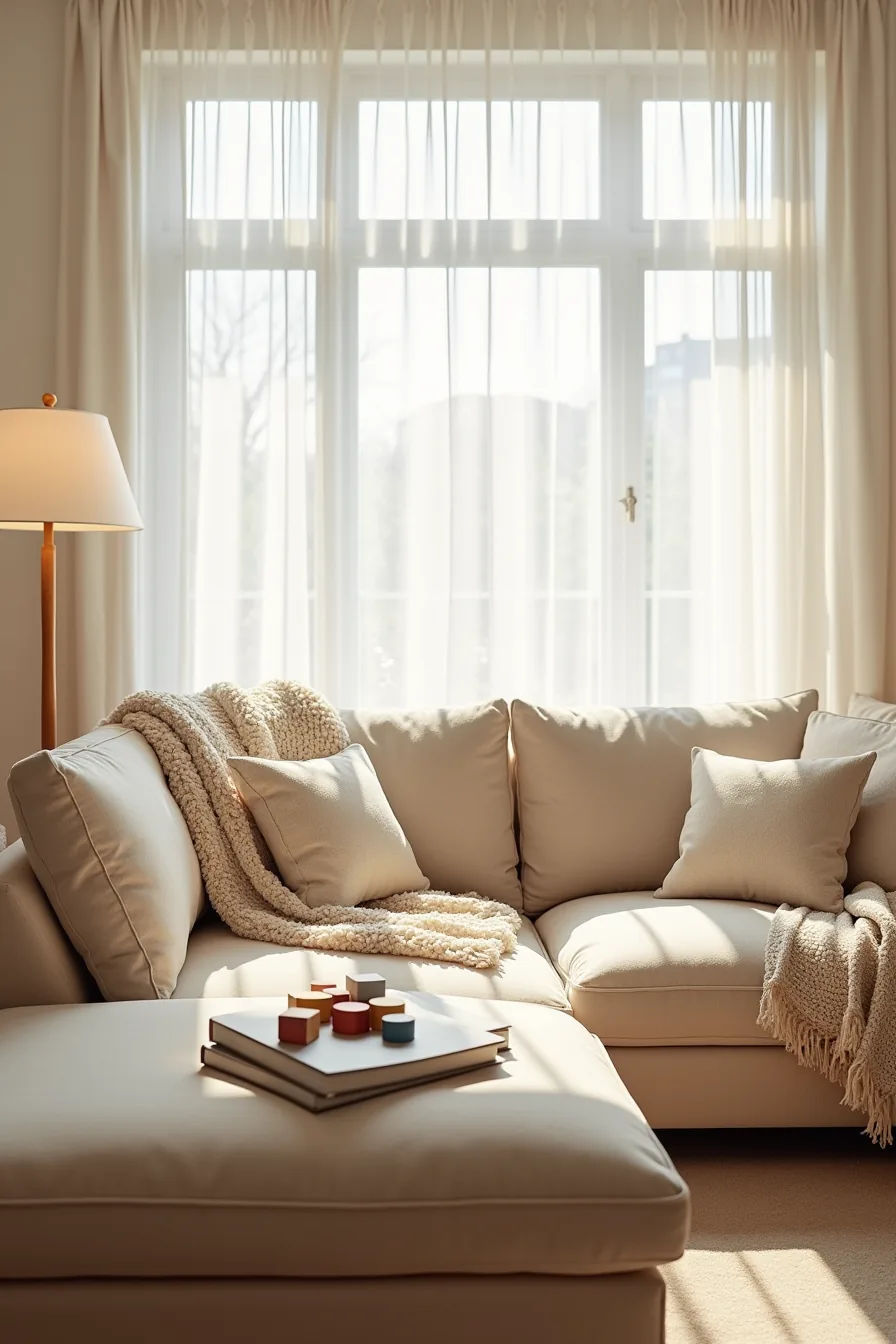
When the toy blocks land on the cushions and the throw blanket gets dragged daily, performance fabric is the only way to keep sofa fabric textures smooth across a decade of use. The woven synthetic fibers, typically polyester or olefin blends, resist moisture at the surface level, so spills bead up instead of soaking into the weave. That surface tension is what preserves the uniform texture; you can blot a red wine splash and the fabric will look identical to the untouched sections beside it.
The cost-to-durability ratio favors this route for families: expect to pay 20-40% more upfront than a linen blend, but the sofa will hold its original surface for 10-12 years under daily, high-traffic use. A performance sectional in a family room with scattered toys and a tossed throw blanket still shows a flat, even weave with no pilling, no crushed fibers, and no visible wear pattern where people sit most. Cleaning requires nothing more than mild soap and water, scrub gently, blot, and air-dry, with no risk of water rings.
Choose this fabric if your household eats, plays, and naps on the same piece of furniture. Sofa fabric textures for high-traffic family rooms demand this level of resilience; in a formal sitting room you barely use, the premium is wasted.
Texture Repeat Study: Scaling Patterns to Room Size
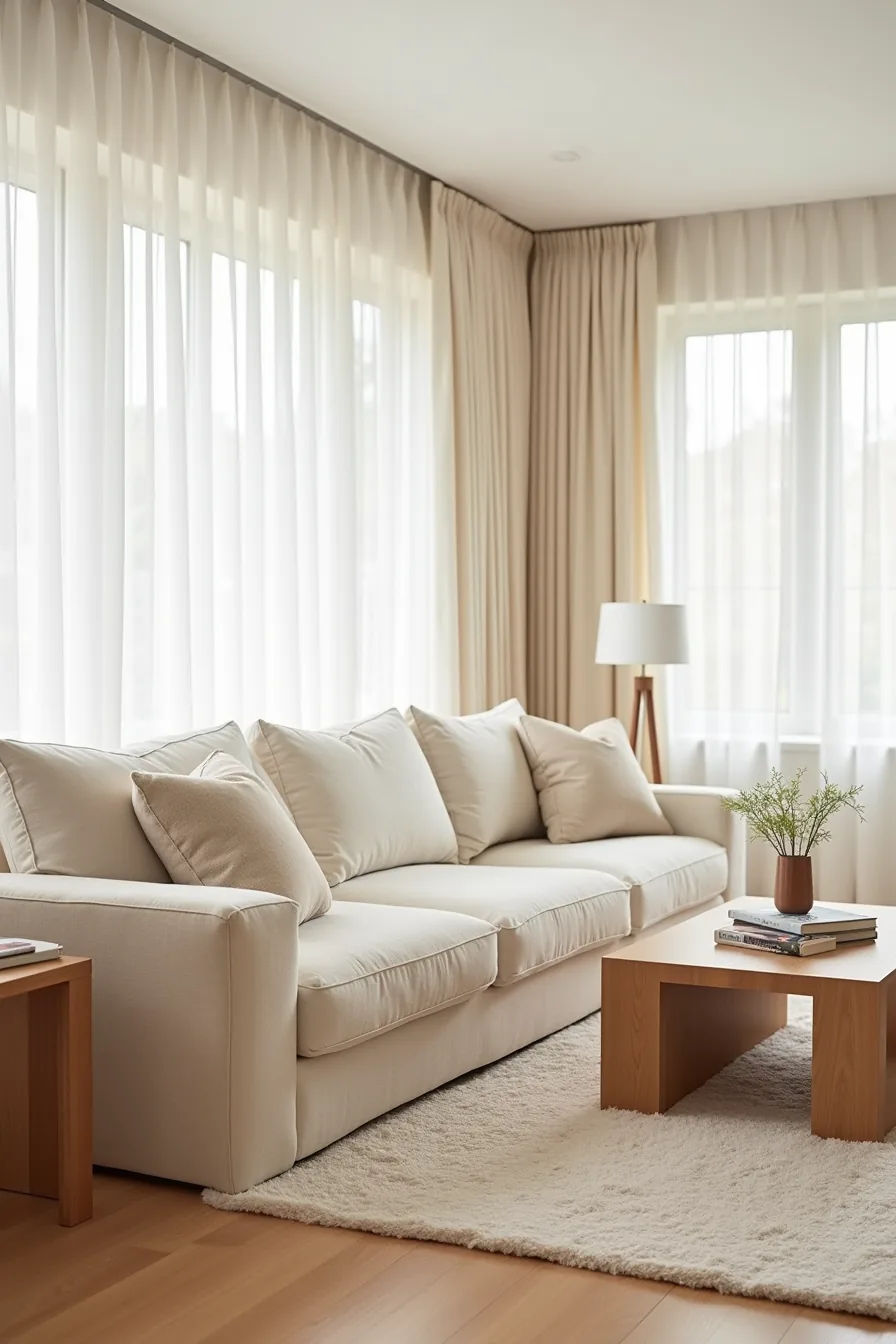
The same smooth weave can read as either monotonous or cohesive depending entirely on your sofa’s footprint and the distance from which you view it. In a large living room with an oversized sofa positioned against the far wall, the fabric’s repeating pattern becomes a unifying element rather than a distraction, you see the texture as a whole surface, not as individual threads repeating. At that viewing distance, typically 10-15 feet from a seating position across the room, the eye blends the weave into a single, calm field.
The rule of thumb: the larger the sofa, the larger the texture repeat you can handle without visual fatigue. A small loveseat viewed from three feet away demands a tighter, subtler weave, anything with a visible geometric repeat will dominate the piece and fight with surrounding décor. In the large room scenario, minimal accent furniture lets the fabric’s texture carry the visual weight, so a bolder weave pattern works precisely because nothing else competes for attention.
Match the scale of your texture to both your sofa’s dimensions and the room’s proportions, not to what looks good on a fabric swatch held in your hand.
Renter-Friendly Slipcover Solutions
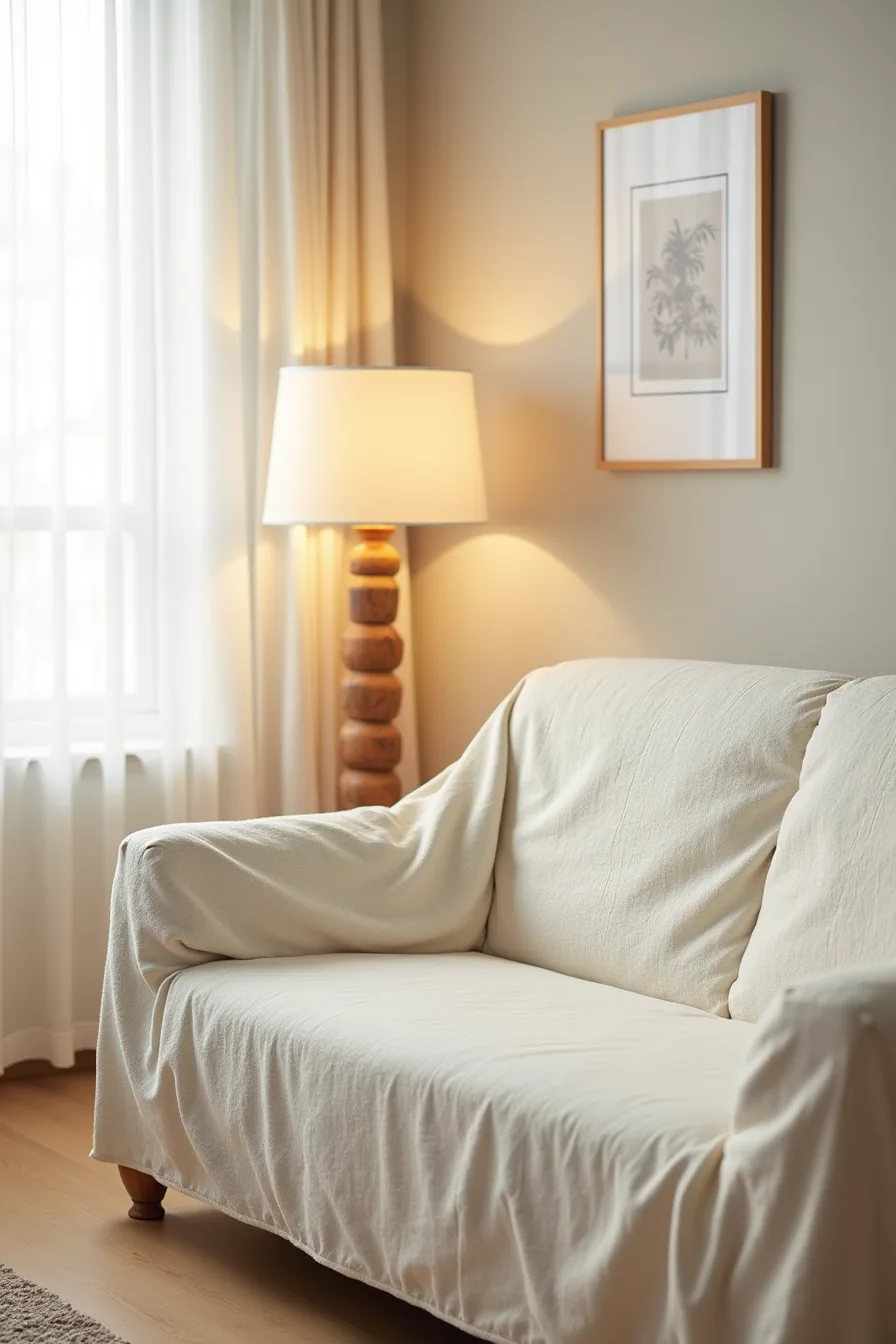
A tailored slipcover delivers the look of a smooth fabric texture without a single staple or stitch into your landlord’s property. The key is choosing a high-density cotton-polyester blend with a tight twill or basketweave, the weave’s uniformity reads as one continuous surface, masking the fact there’s a cover at all. You want a fabric weight around 200-300 grams per square meter; anything lighter will cling and wrinkle around the arms, breaking the smooth illusion.
Fit is everything. A generic one-size-fits-all cover will billow at the seat and gap at the armrests, instantly telegraphing “slipcover” to anyone who looks. Instead, measure your sofa’s seat width, arm height, and back length, then order a made-to-measure cover or choose a brand offering multiple depth options per sofa size.
Tuck excess fabric into the crevices between seat and back cushions, and use foam dowels or pool noodles wrapped in fabric to anchor the cover into the arm seams, this keeps the weave taut and the original sofa frame invisible beneath.
Cotton-polyester covers run $80-$250 depending on sofa size and whether you choose a custom fit. They’re machine-washable at 30°C, though expect some shrinkage on first wash, so hang-dry and re-tuck rather than tumble-drying. For removal without damage, the entire setup comes off in under ten minutes, just pull the dowels, untuck the seams, and fold.
Choose a neutral oatmeal or greige tone and the texture does the work; your rental-standard furniture fades into the background, and your security deposit stays intact.
Surface Mood Board: Pairing Texture with Color and Finish
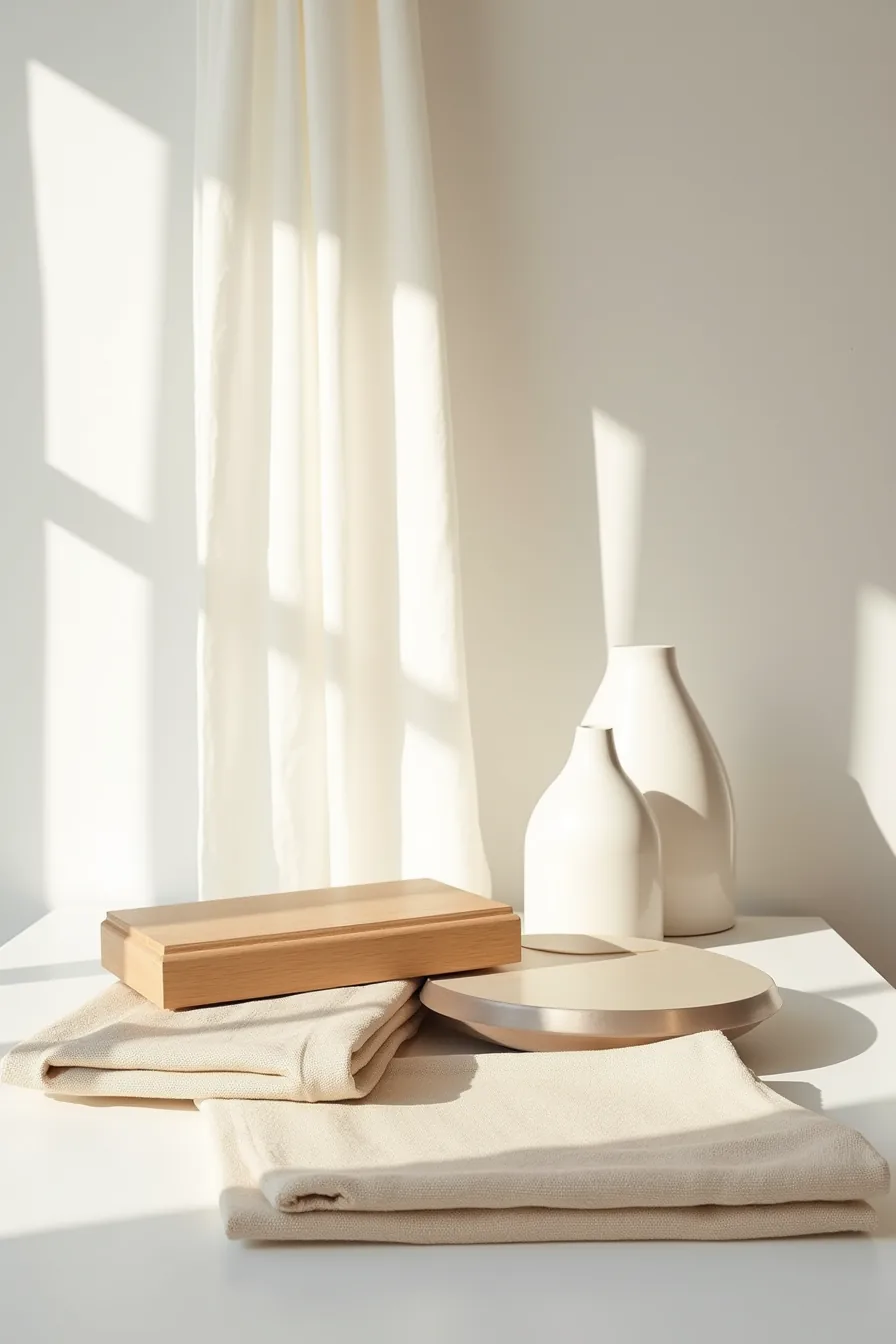
A flat lay of five materials gives you the fastest read on whether Sofa Fabric Texture Smooth will hold its own in your room. Gather a woven fabric swatch, matte ceramic tile, brushed metal sample, natural wood block, and a linen napkin, then arrange them on a white surface under even, overhead light. What you’re checking is undertone consistency: a warm greige sofa weave needs wood and ceramic with the same yellow-based warmth, while a cool taupe texture demands ash-toned wood and gray-grout tile to avoid a muddy clash.
Sheen level is the second filter. If your sofa fabric has a matte, dry-hand finish, one glossy element, a polished metal or lacquered side table, will anchor the composition, but two or more will compete with the weave’s quiet surface. Brushed metal and honed ceramic both read as low-sheen, so they support the smooth look without stealing attention.
Test the samples under both daylight and evening bulbs; a texture that looks smooth under noon sun can turn patchy under warm spotlights, exposing weave irregularities you’ll notice daily. Swap one material at a time until all five feel like variations of a single family, then use that board as your shopping reference for rugs, lamps, and wall paint.
Where to start
Begin with the room you use most. Match the texture to your daily habits, not the trend: performance weaves for families, velvet for formal spaces, bouclé for low-traffic reading corners. Measure your wall length and choose a sofa that leaves at least 60–90 cm of walking space on the main traffic side.
Order swatches from three suppliers before committing. Rub them, sit on them, and spill water on a corner to test absorption. Once you pick a primary texture, use it on the sofa and repeat it subtly in one accent pillow or a throw, then stop.
That restraint is what makes the smooth look read intentional rather than accidental.
Frequently Asked Questions
What is the difference between a smooth weave and a patterned sofa fabric?
A smooth weave uses one continuous yarn structure, creating a uniform surface with no visible repeat or motif. Patterned fabrics feature deliberate repeats, florals, geometries, or stripes, that break visual continuity. Smooth textures read as quiet and grounding; patterns add active visual rhythm.
How do I know if a fine weave will show dirt and stains more easily than a chunky texture?
Fine, tight weaves, like a 200-thread-count cotton twill, trap particles on the surface, making spills and dust visible quickly. Chunky textures, such as bouclé or chenille, hide crumbs and small marks in their depth, but they trap oils and require deeper cleaning. Test with a damp cloth before committing.
Can I use a performance fabric slipcover over an old sofa to get a smooth texture look?
Yes, but only if the slipcover fits tightly and has a knit or stretch construction that hugs curves without puckering. A loose slipcover creates folds that break the smooth illusion. Choose a polyester-spandex blend with stain-resistant finish; expect to re-tuck after daily use.
What maintenance schedule should I follow for a linen-blend sofa with smooth texture?
Vacuum weekly using a soft brush attachment to lift surface dust. Spot-clean spills within 30 minutes with mild soap and water. Professionally steam-clean every 12–18 months.
Rotate seat cushions monthly to equalize wear and prevent permanent flattening of the weave.