
A storage closet is a catch-all that quietly absorbs the chaos of daily life, and the right organization system turns it from a black hole into a functional zone, here are six distinct approaches, from a $30 shelf refresh to a custom built-in, so you can match a solution to your space, habits, and budget. Each option targets a different failure point, whether that’s wasted vertical footage, inaccessible depth, or visual noise. You’ll find one that fits your lease terms, your tool collection, and your tolerance for maintenance, with clear trade-offs spelled out before you commit to a single bracket or bin.
Key takeaways
- Vertical shelving doubles usable storage by reaching ceiling height, ideal for closets under 6 feet wide where floor space is scarce.
- Pull-out drawer systems cut daily retrieval time in half, best for frequently used items like shoes or linens, but require 18–24 inches of clear depth to slide fully.
- Zone-based sorting groups items by frequency of use, daily at eye level, seasonal on top shelves, reducing clutter and making weekly tidying faster.
- Transparent containers with labels work for any budget, but choose uniform bin sizes (10–15 inches wide) to stack cleanly and avoid wasted vertical gaps.
Vertical Shelving for Small Closets
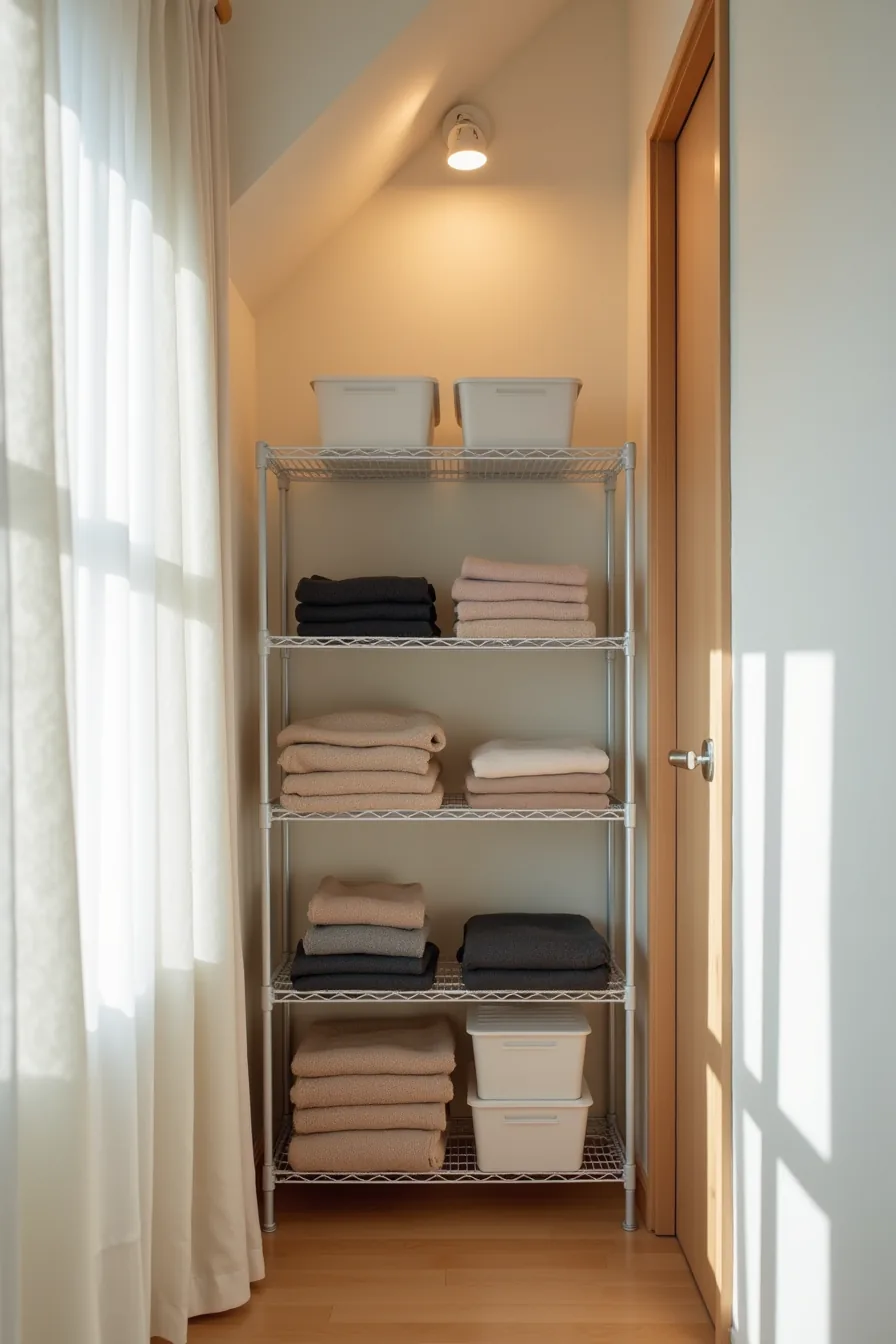
This is your highest-use option when floor space is the bottleneck. A 20-inch-deep under-stair closet can’t accommodate bulky cabinets or pull-out systems, but a stack of three metal shelves transforms that dead zone into a full-height storage column. You’re trading horizontal reach for vertical volume, which works because you only access these items a few times per week.
The setup costs roughly $60–$120 in adjustable shelving, making it the strongest budget route in this guide. You’ll need a stud finder because floating shelves must anchor into wall studs, drywall anchors alone will pull out under the weight of stacked sweaters and plastic bins. Space the shelves 10–12 inches apart, which clears most folded knitwear and shoe boxes while keeping every item visible.
This suits renters especially well, since metal standards and brackets install with minimal wall damage and remove cleanly when you move. The trade-off: you lose the convenience of pull-out access, and the lowest shelf requires kneeling, so reserve it for rarely used seasonal gear.
Pull-Out Drawer Systems for Daily Access
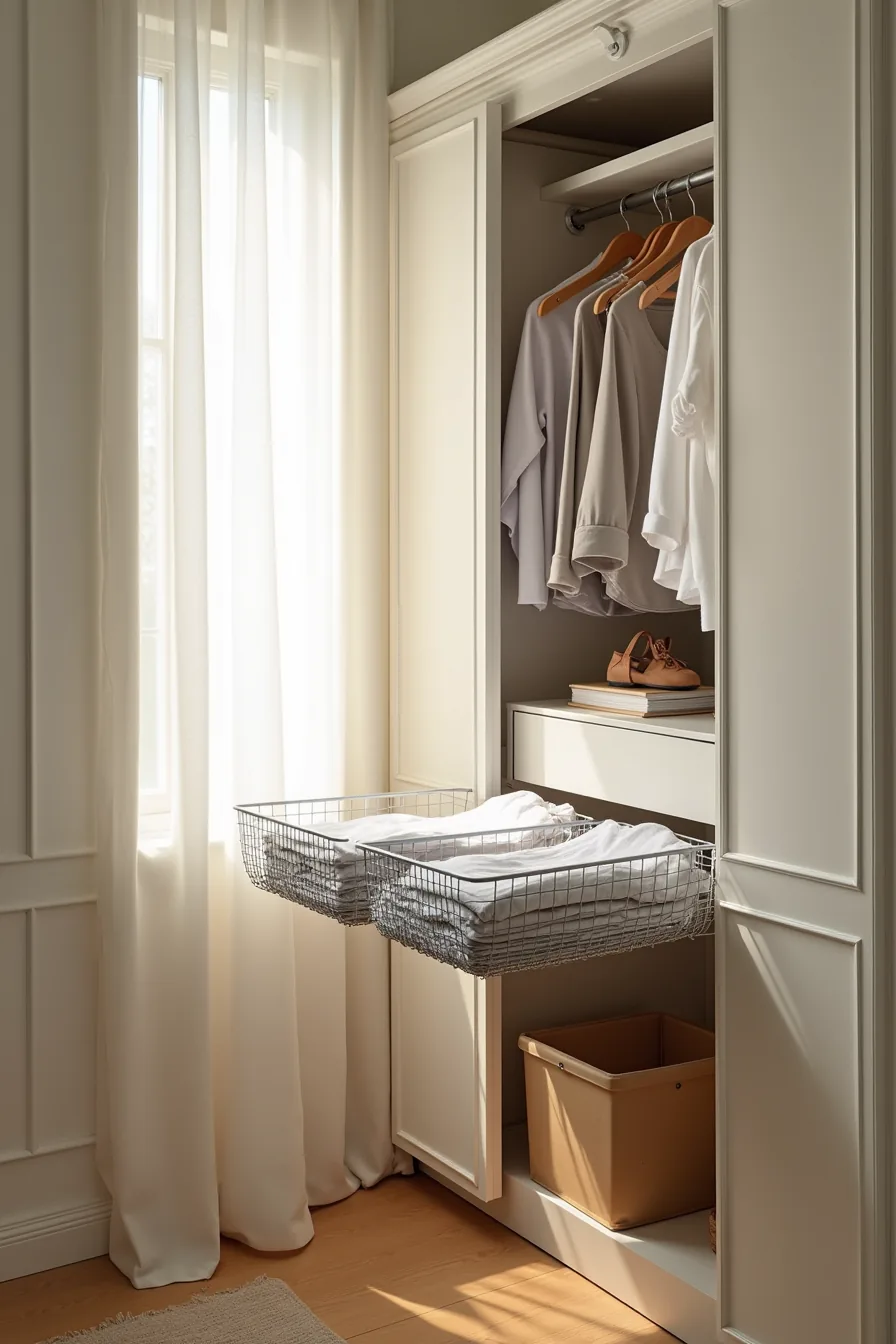
When you reach for a gray hoodie three times a week, a stack of folded shirts on a shelf loses its appeal quickly. That’s where sliding wire baskets earn their place. Three horizontal pull-out baskets on metal slides extend 18–24 inches into the room, giving you full visibility of every item without rearranging the stack above it.
The top drawer holds folded shirts, the middle keeps accessories sorted, and the bottom carries heavier pieces like jeans or sweaters. You pull, grab, and push, no kneeling, no digging, no collapsed piles.
This setup suits medium to large closets where a 24-inch clearance in front of the unit is possible. Budget for $150–$300 in baskets and slides, plus installation time of about two hours if you mount them on wall standards. The trade-off is real: each basket reduces usable vertical space by roughly 4 inches due to the slide mechanism, so you lose a shelf’s worth of capacity.
For renters, freestanding wire drawer units on casters deliver most of the same convenience without drilling into walls. If your daily-use items change seasonally, swap the basket contents rather than rearranging the whole system, that keeps your Practical Storage Closet Organization Ideas planning tips focused on flow, not perfection.
Zone-Based Sorting by Category and Frequency
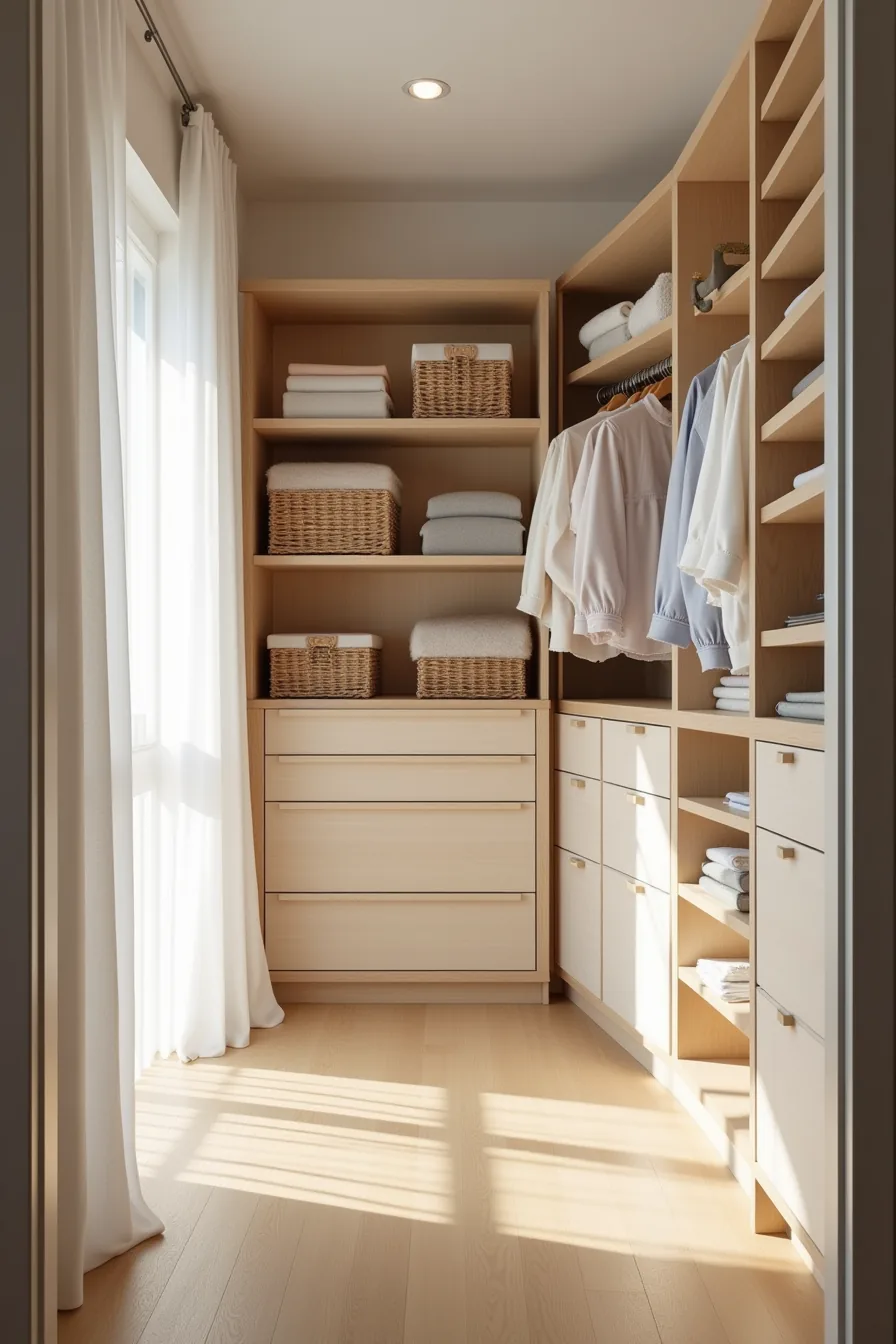
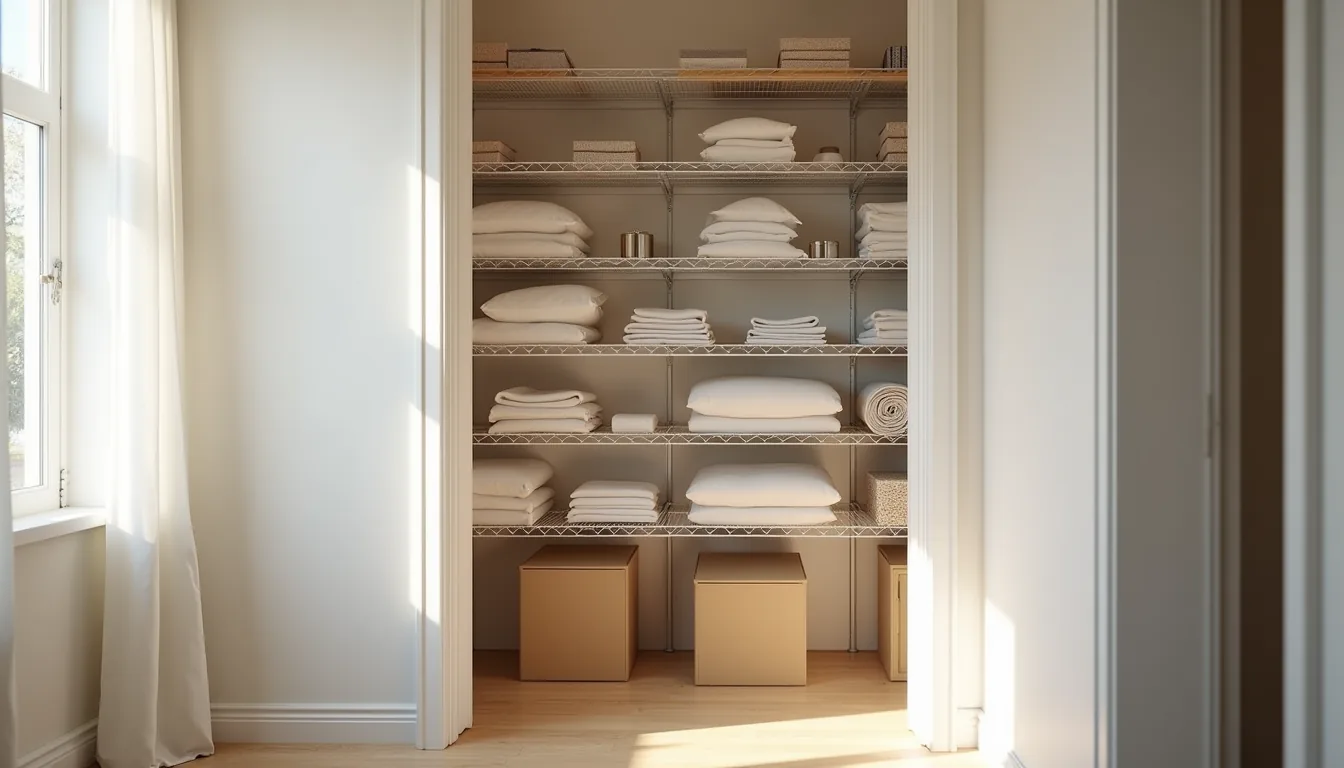
A four-zone layout assigns each shelf band a job based on how often you reach for what it holds. The top shelf stores seasonal boxes you touch four to six times a year, while the middle-left daily-use baskets catch items you grab every morning, the visual separation alone cuts retrieval time from seconds of searching to an instant grab. The middle-right zone keeps frequently accessed pieces on lower shelves at waist height, eliminating any reaching or bending during rush hours.
The back corner holds archived storage bins stacked four to five high, each containing items you access less than once a month but can’t discard.
This system suits households where two or more people share one closet with conflicting storage needs, one partner’s seasonal gear, another’s daily workwear, plus shared archived documents. Reproducing it requires measuring your wall height first: allocate roughly 12–18 inches for the seasonal top band, 10–12 inches per daily basket row, and 8–10 inches per archived bin tier. Clear acrylic shelf dividers cost $2–$5 each and prevent daily-use baskets from sliding into the archived zone.
Maintenance is a quarterly re-sort: move anything you retrieved more than twice since the last sweep one band closer to waist level, and demote unused items one band higher. This rotation keeps the zones honest without a full reorganization. For the Best Storage Closet Organization Ideas examples, this frequency-based zoning outperforms color-coding because it matches your actual behavior rather than your aesthetic preference.
Door-Mounted Storage for Tight Spaces
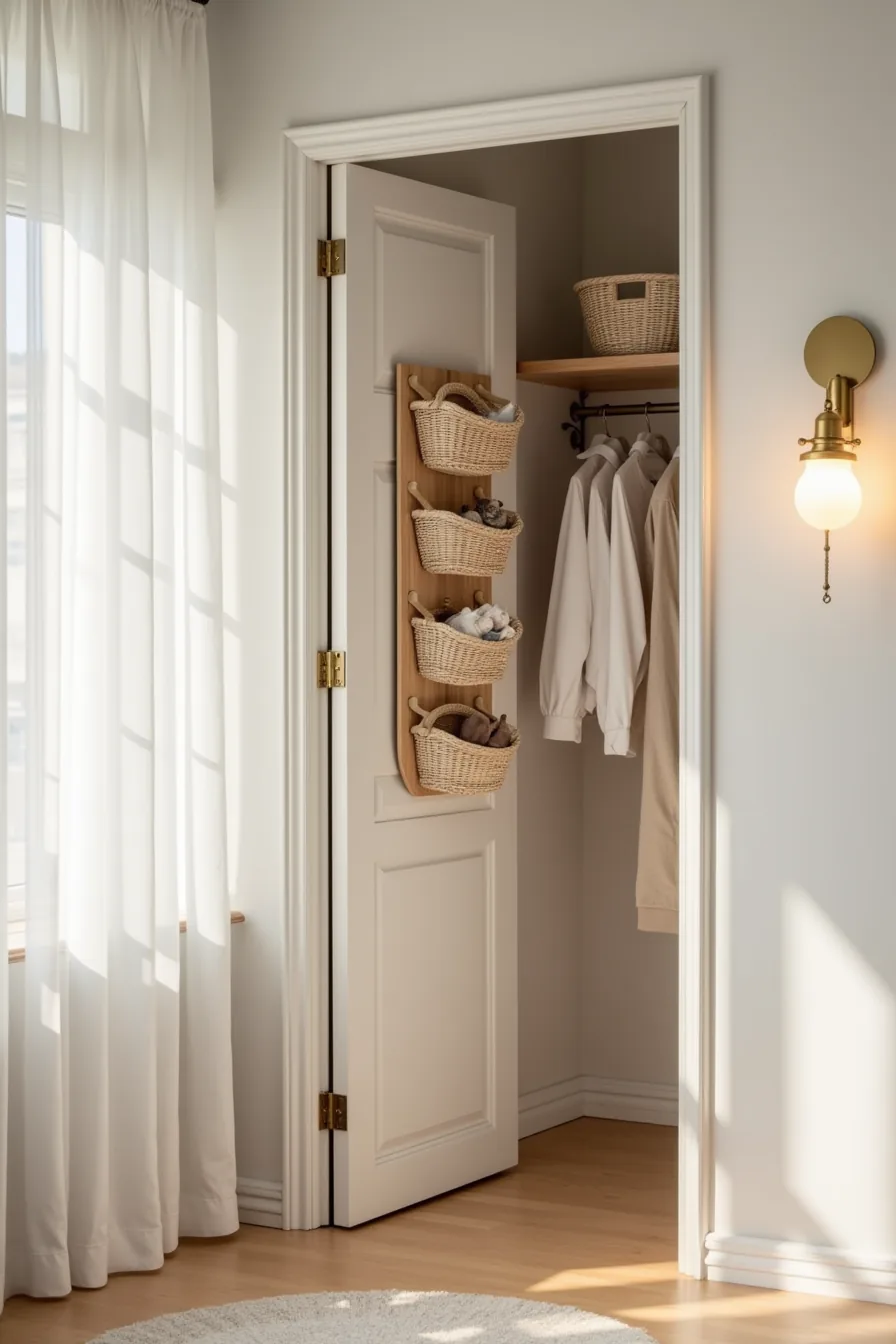
When floor space is at a premium, the back of your closet door is prime real estate, a standard 80-inch interior door offers roughly 16–18 square feet of usable surface. An over-the-door organizer fitted with small baskets handles accessories, scarves, and daily-use items you’d otherwise stack on shelves, while hanging hooks catch robes, bags, and items still damp from use. The narrow mounted shelf provides a landing spot for keys, watches, or a small catch-all tray, keeping counters clear.
This route suits renters because most over-the-door systems install without drilling, tension rods or hook-over frames grip the door’s top edge and lift off cleanly. Check your door’s swing clearance first: a fully loaded organizer adds 2–4 inches of depth, which can block adjacent walls or fixtures when the door opens 90 degrees. Weight matters too; most hook-over models handle 20–40 pounds before sagging, so keep heavy tools and bulk supplies on floor-level storage instead.
Wipe down fabric pockets monthly, as they collect dust and lint from hanging textiles.
Custom Shelving and Built-In Units
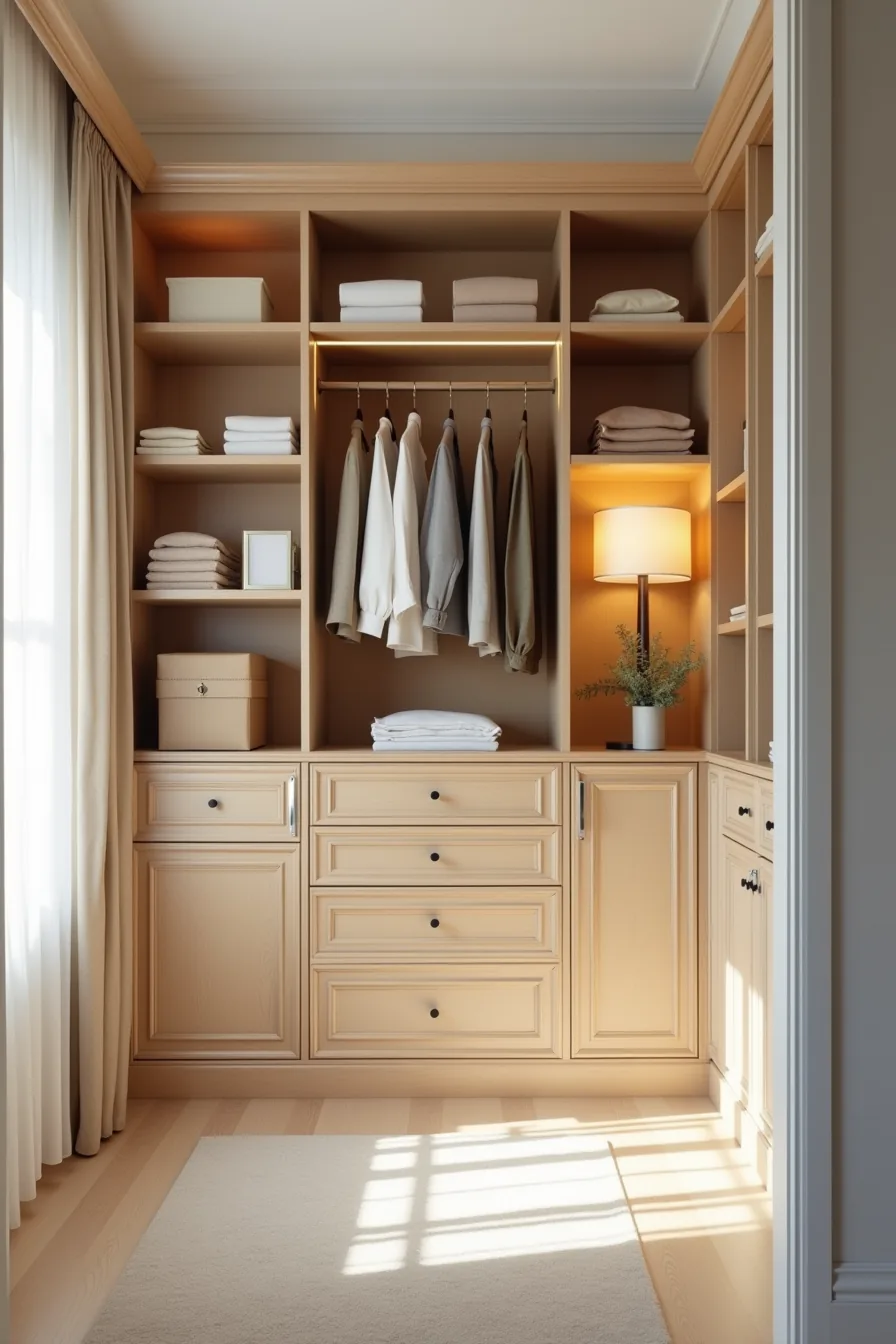
If your closet is large enough to walk into, custom built-ins transform wasted vertical space into a permanent storage system, think floor-to-ceiling wooden shelves, integrated hanging rods, fixed base drawers, and vertical dividers that carve out compartments for folded items, hanging clothes, and boxed goods. This is the splurge tier of Storage Closet Organization Ideas, typically running $1,500–$5,000 depending on closet dimensions, wood grade, and whether you install it yourself or hire a carpenter.
Measure before you commit: note ceiling height, wall-to-wall width, and door swing clearance, and account for baseboard protrusions that shift your plumb line. Adjustable shelves (spaced 12–16 inches apart) future-proof the layout when your storage mix changes. Custom units suit homeowners and long-term renters with written permission, they’re fixed installations, so you forfeit the deposit or eat removal costs if you move within a few years.
Budget route: a modular freestanding shelving unit from a big-box store delivers 70% of the function for roughly $200–$600, though you’ll lose the smooth built-in look and custom drawer integration.
Transparent Containers and Labeling Systems
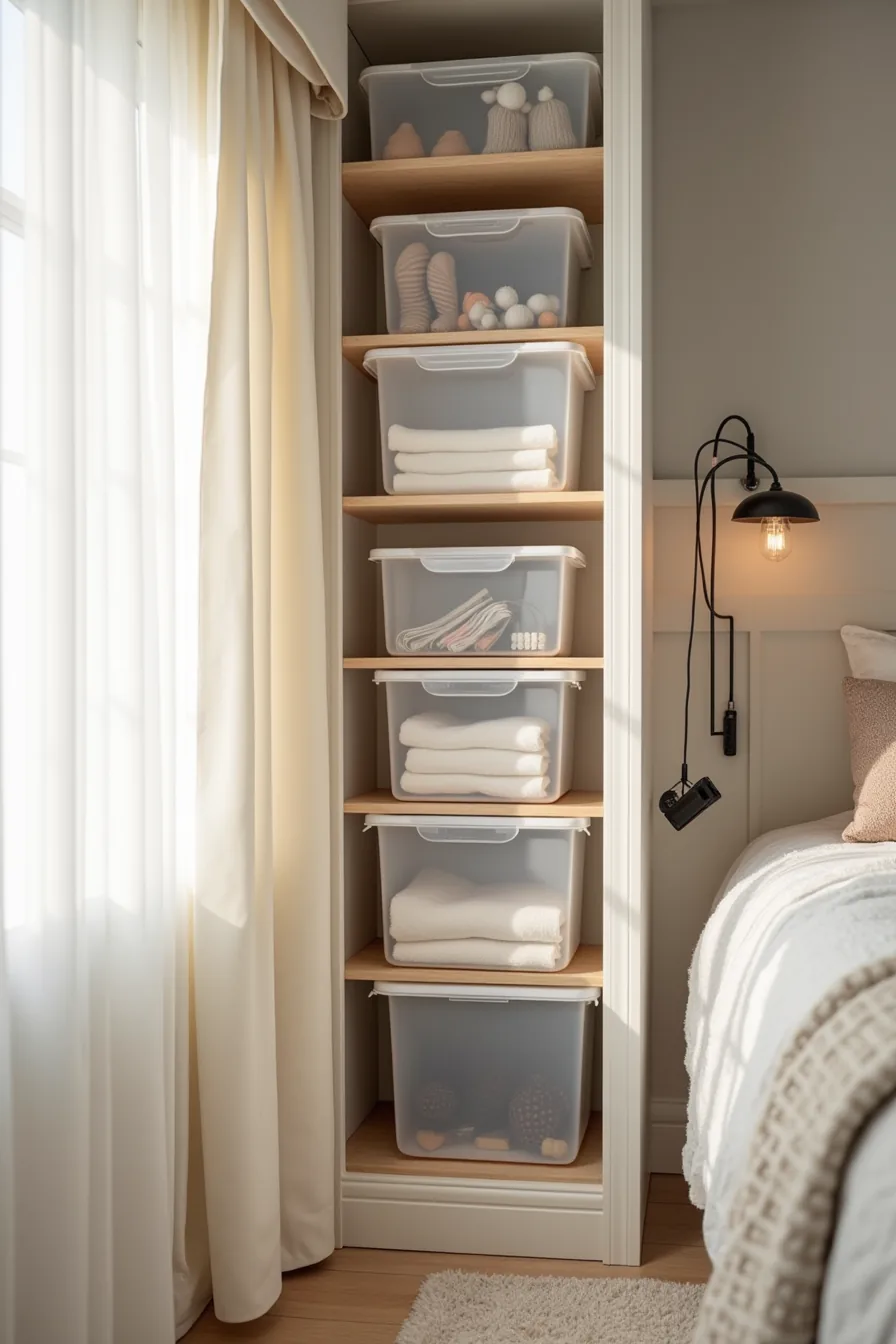
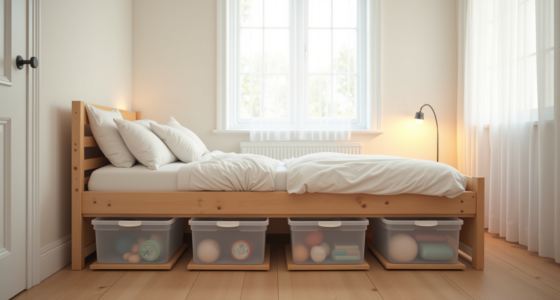
Clear bins turn your closet into a visible inventory, eliminating the “I forgot I owned that” cycle that drives duplicate purchases. When you can see winter accessories, craft supplies, and seasonal décor at a glance, you stop buying a second glue gun or a third scarf. The system works because it removes the cognitive load of remembering what’s stored where, your eyes do the work instead of your memory.
Choose polycarbonate or thick acrylic containers rather than flimsy PET plastic, which cracks at the corners within a year of regular stacking. In humid climates, skip airtight lids on anything you don’t want to trap moisture against, linens and off-season shoes need breathable containers or silica gel packets inside. The classic Storage Closet Organization Ideas mistakes to avoid here are labeling only the front of boxes (you’ll rotate them and lose the label) and using containers of identical height, which wastes vertical space.
Match container heights to shelf spacing: 6–8 inch bins for folded items, 11–14 inch totes for boots and bulky gear. A $15 label maker plus a 30-minute labeling session converts a pile of anonymous bins into a searchable system that stays organized because putting things away becomes effortless.
Your 10-Minute Decision Plan
Start by measuring your closet floor-to-ceiling dimensions and listing the five items you store most often. That single step determines whether you need shelf stacking, door-mounted racks, or a modular system.
Choose one zone to fix first, the floor or the top shelf, and implement just one idea from this guide. Live with it for a week before adding another layer.
Your next move: grab a tape measure, note your door clearance, and order one tension rod or stackable shelf unit today. One small change creates momentum for the rest.
Frequently Asked Questions
How do I organize a storage closet that’s only 3 feet wide?
Install a single vertical track system with adjustable shelves up to the ceiling. Use door-mounted over-the-door racks for flat items. Skip wide shelving units; they waste depth and block access.
What’s the cheapest way to organize a storage closet without buying new furniture?
Repurpose sturdy cardboard boxes, clean takeout containers, and shoeboxes. Label fronts with masking tape and marker. Use tension rods for hanging spray bottles or small tools.
Sort everything into zones before storing.
Should I use clear or opaque containers for a storage closet?
Clear containers for frequently used items so you can identify contents at a glance. Use opaque bins for seasonal or sentimental items you rarely access. Label opaque bins on all sides, not just the front.
How often should I reorganize my storage closet to prevent clutter?
Do a full purge and rearrange every 6–8 months, ideally before each season changes. Review high-traffic zones monthly. If an item hasn’t been touched in a year, donate or discard it.