
Modern TV unit design is less about a single look and more about matching the unit’s structure, materials, and placement to your room’s actual dimensions and your viewing habits, so here are six distinct approaches that work, with the trade-offs spelled out. You’ll find a floating shelf for renters, a full built-in for long-term owners, and a budget-friendly console that hides cable chaos without costing a fortune. Each option is paired with the exact room size, viewing distance, and storage load it can realistically handle, so you can match the design to your setup rather than the other way around.
Key takeaways
- Floating units save 8-12 inches of visual floor space, making them ideal for narrow rooms, while floor units offer easier cable access and no wall-mounting risk.
- A long, low profile (typically 60-72 inches wide and 18-20 inches tall) anchors a media wall best when the TV is centered 42-48 inches from the floor.
- Warm wood fronts softens a minimalist look without sacrificing durability, choose matte oak or walnut veneers; they hide fingerprints and fade less than gloss finishes.
- Cluster displays into three zones (closed base, open display niche, and TV clearance) to balance storage and aesthetics, you need at least 6 inches of clearance around the TV for ventilation.
Floating vs Floor Unit: Which Suits Your Space
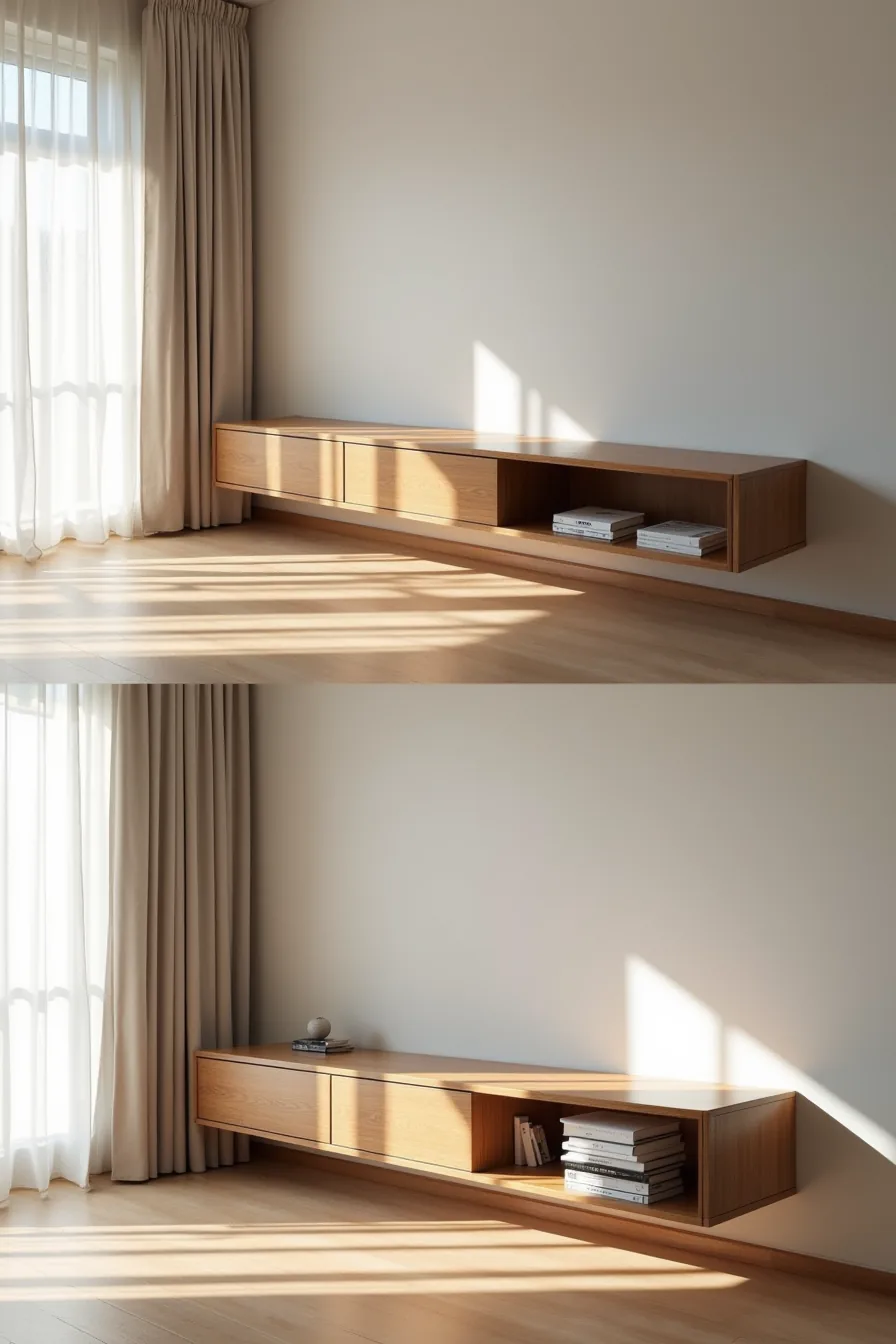
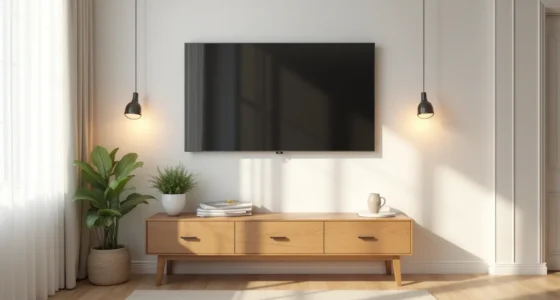
The split-level view shows you the real trade-off: a floating unit cantilevered from drywall leaves a visible gap and shadow beneath, while the identical design sitting flush on the floor meets the baseboard trim cleanly. That gap is more than aesthetics, it changes how you clean, mount, and wire everything.
Floating wins in small or narrow rooms. Raising the unit 12–18 inches off the floor keeps the sightline open, making the wall feel taller and the floor area less cluttered. You must anchor into studs or use heavy-duty drywall anchors rated for shear load; if you’ve plaster or lath walls, commit to the floor version instead.
Floor-based units suit rentals and families. No wall reinforcement needed, you can move it when you redecorate, and you gain a hidden channel behind the baseboard to route cables. The shadow gap disappears, but you lose the perceptible floor space beneath, a fair trade if you prioritize zero-drill flexibility and simpler maintenance.
Long Low Profile: The Horizontal Modern Standard
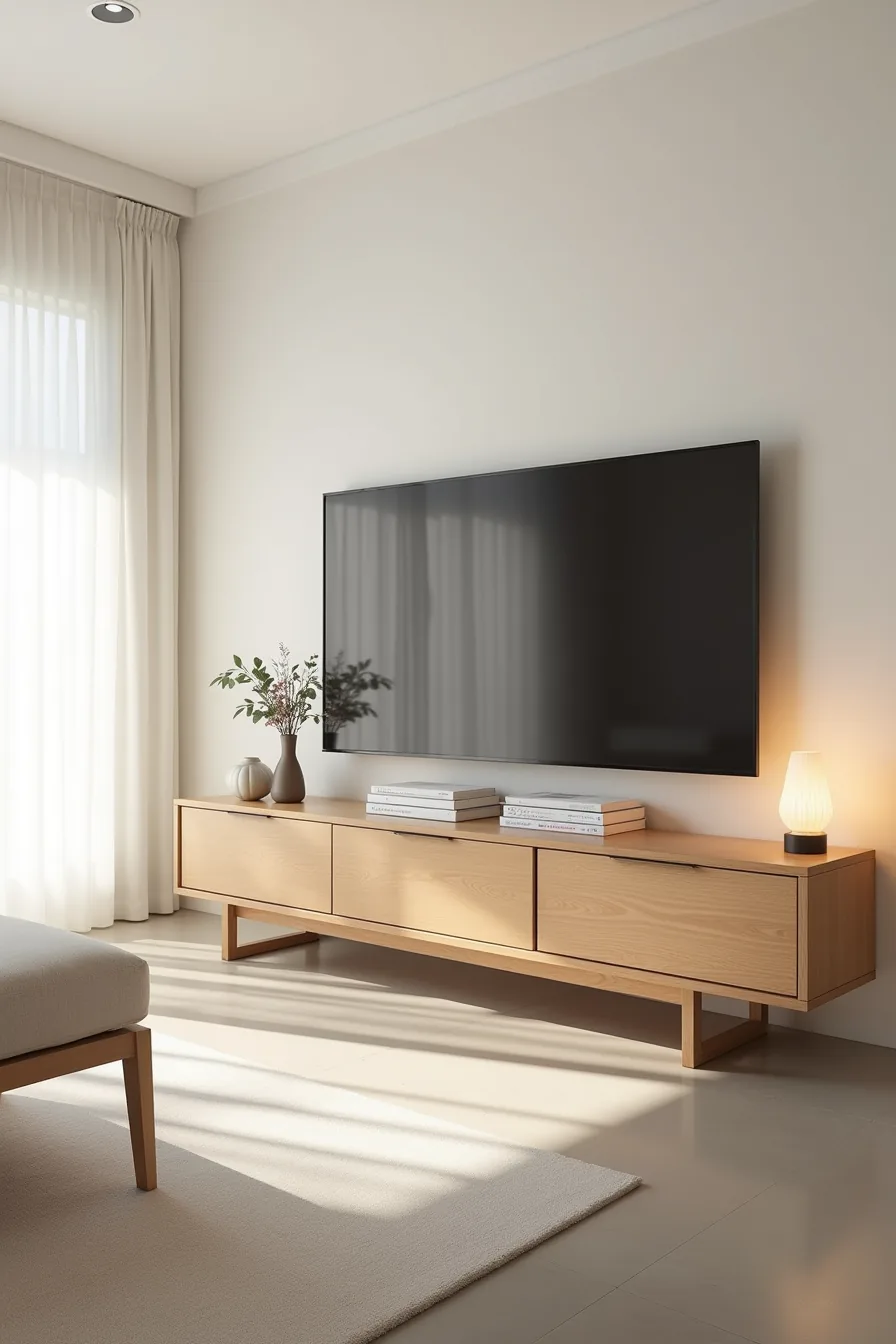
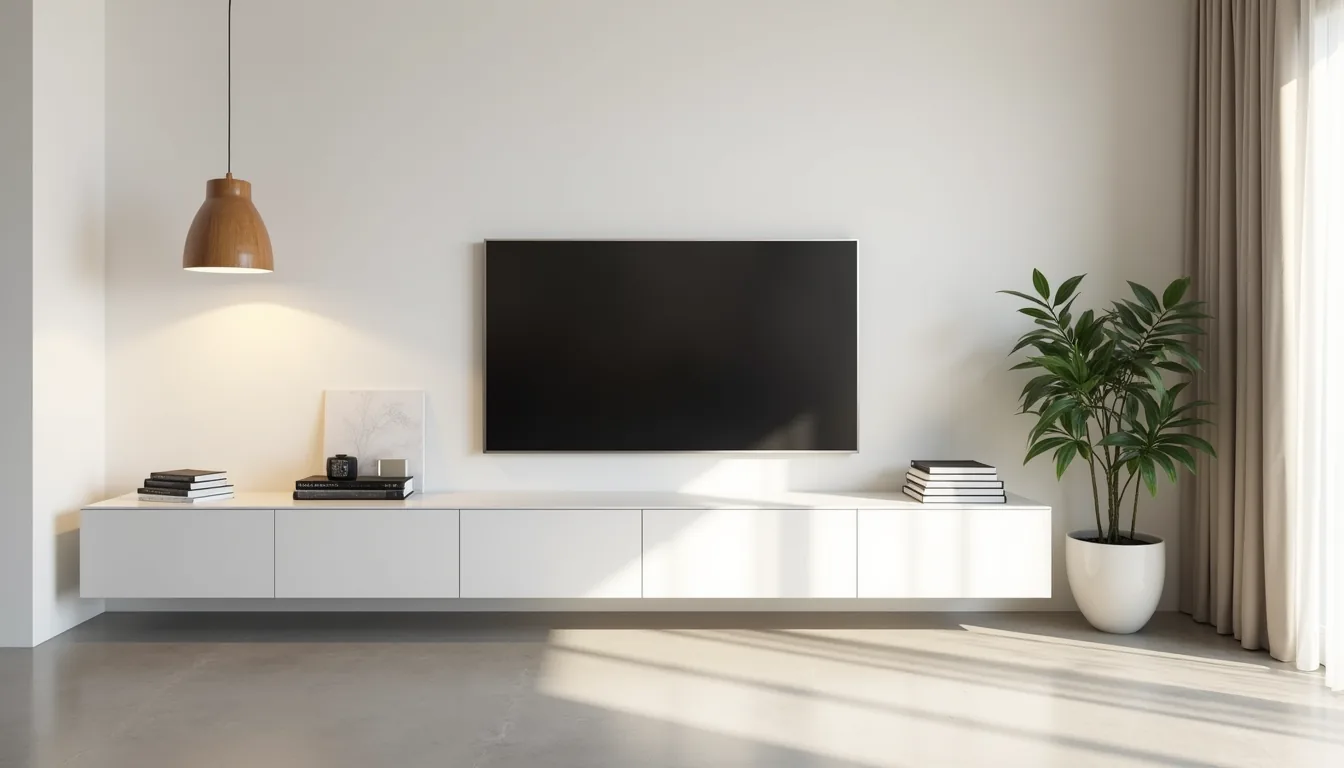
The defining move in Tv Unit Design Modern is the long low profile: a shallow unit stretching 120 inches or more across the wall, standing only 16–20 inches tall. That extreme horizontal ratio, roughly six times wider than it’s high, visually anchors the room without competing with the screen mounted above it. In the setup of a natural oak unit on a polished concrete floor, the warm wood contrasts against neutral walls, making the unit read as furniture, not a media console.
This proportions work because the eye follows the length rather than the height, which suits rooms where the TV is the focal point. For a small space, scale down to 80–100 inches; for a large open-plan room, push past 140 inches. Keep the depth shallow at 14–18 inches so it doesn’t encroach on walkways.
Oak requires annual oiling to prevent drying; if you want zero-maintenance, choose a laminate or matte-lacquered finish instead.
Warm Wood Modern: Softening the Minimalist Edge
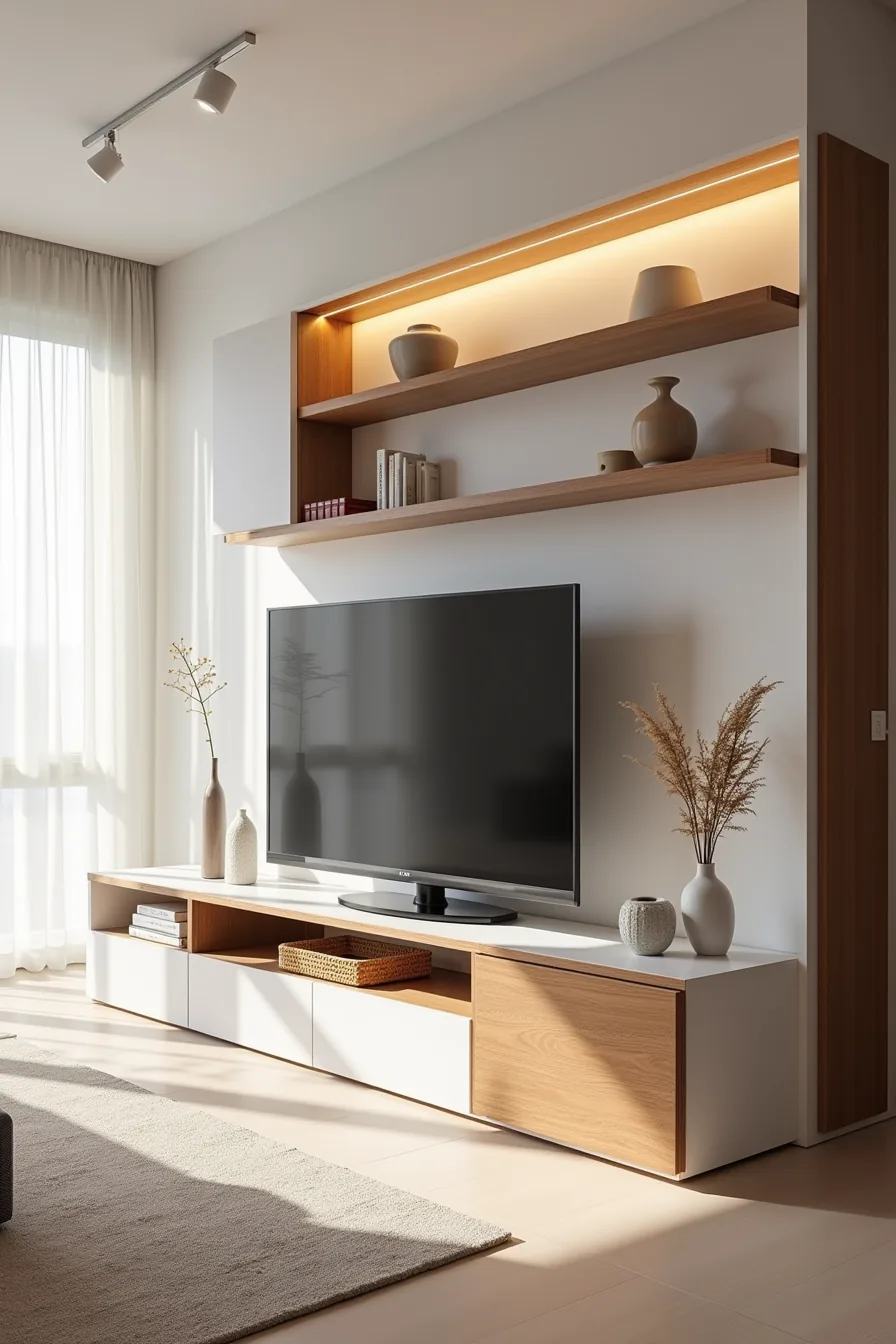
Warm wood modern takes the clean geometry of minimalist TV unit design and layers in natural grain to keep the room from feeling clinical. The setup pairs walnut front panels with a white lacquered frame, the high-gloss surround bounces light while the darker timber absorbs it, creating depth without adding visual clutter. Ceramic vessels and woven storage baskets on the open shelving repeat that same contrast: hard against soft, glazed against fibrous.
Walnut suits this approach best because its rich brown tones contain enough red to feel inviting but stay neutral enough to work alongside gray, beige, or olive walls. Track lighting pointed down at the unit from above emphasizes the grain’s movement, so position fixtures 12–24 inches from the wall to cast grazing light rather than a flat wash.
Budget route: choose oak veneer over solid walnut, the grain reads identically but costs roughly 30–50 percent less. Expect to re-oil solid wood panels every 12–18 months, while lacquered sections only need a damp microfiber wipe. If you rent, a freestanding unit with removable panels delivers the same look without mounting hardware or wall damage.
Modern TV Unit Ideas for Small Living Rooms
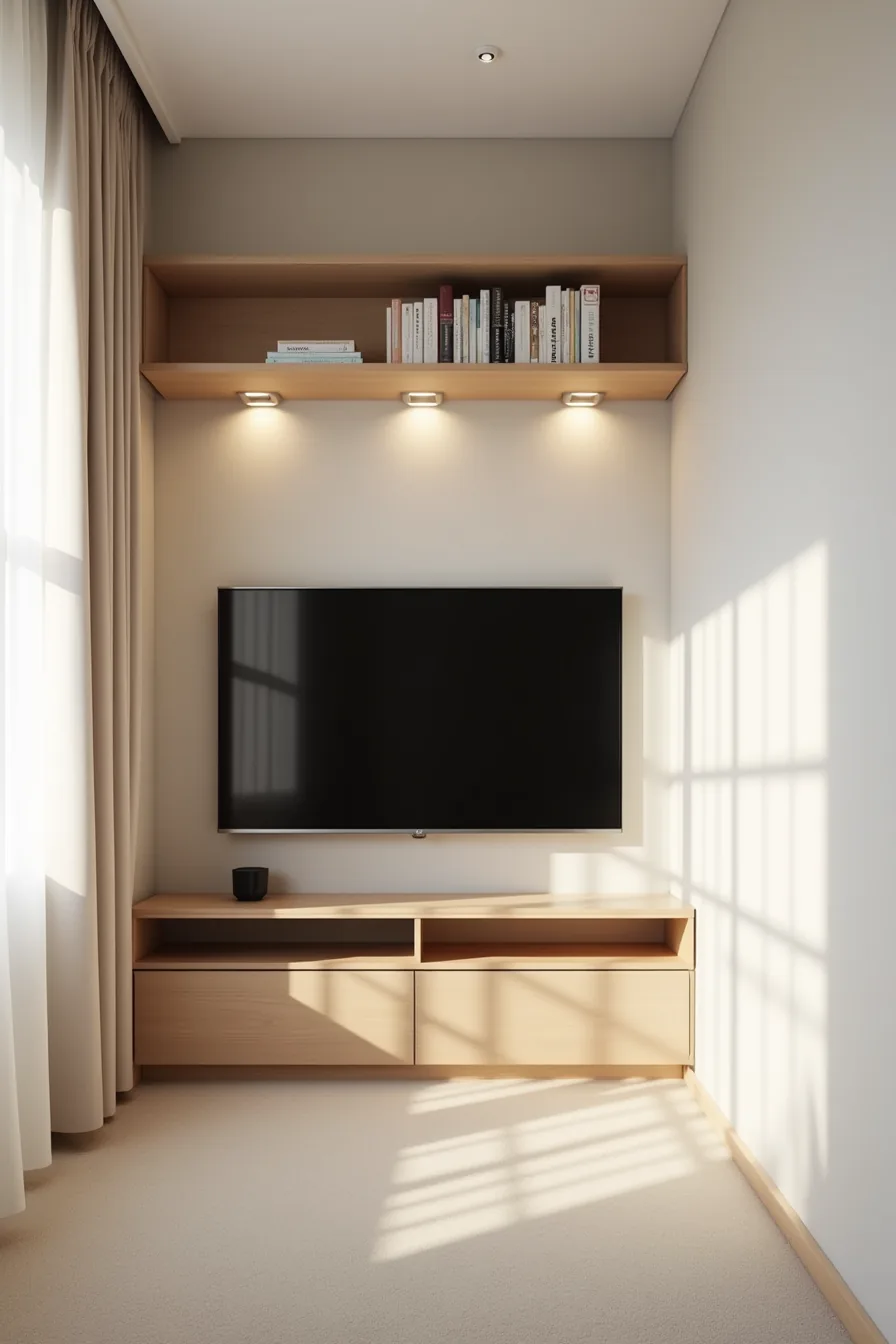
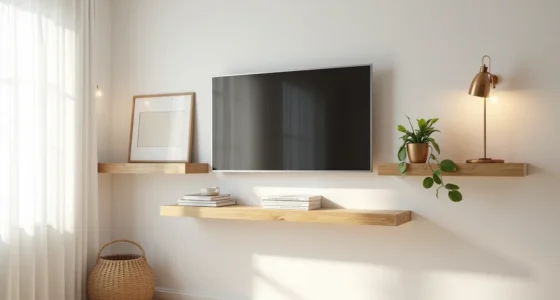
In a 10-foot-wide room, every inch of your TV unit carries visual weight. A compact 48-inch unit with closed lower storage and open shelving above keeps the wall from feeling crowded while hiding cable boxes and media clutter behind solid doors. The closed base anchors the design; the open shelving above breaks up the mass so the unit reads as lighter than its footprint suggests.
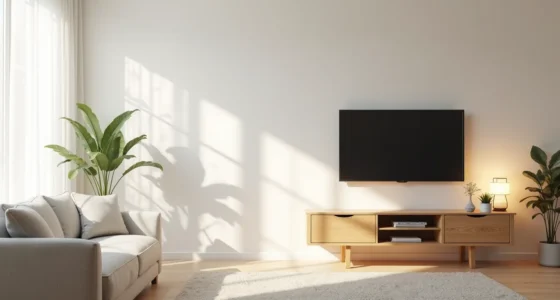
Mount the TV directly to the wall rather than letting it stand on the unit, this reclaims 4–6 inches of depth and prevents the screen from visually doubling the furniture’s height. Keep the unit’s total width within 12 inches of the TV’s width on each side, and leave at least 6 inches of clear wall space on both ends so the composition breathes. For rooms under 150 square feet, choose a unit no deeper than 14 inches to preserve walkway clearance.
Closed storage matters most in tight spaces because it eliminates the visual noise of stacked remotes, game controllers, and tangled cords. If you need display space, limit open shelving to one shelf, enough for a soundbar and two decorative objects without turning the wall into a catch-all.
Open Shelving vs Closed Storage: Balancing Display and Function
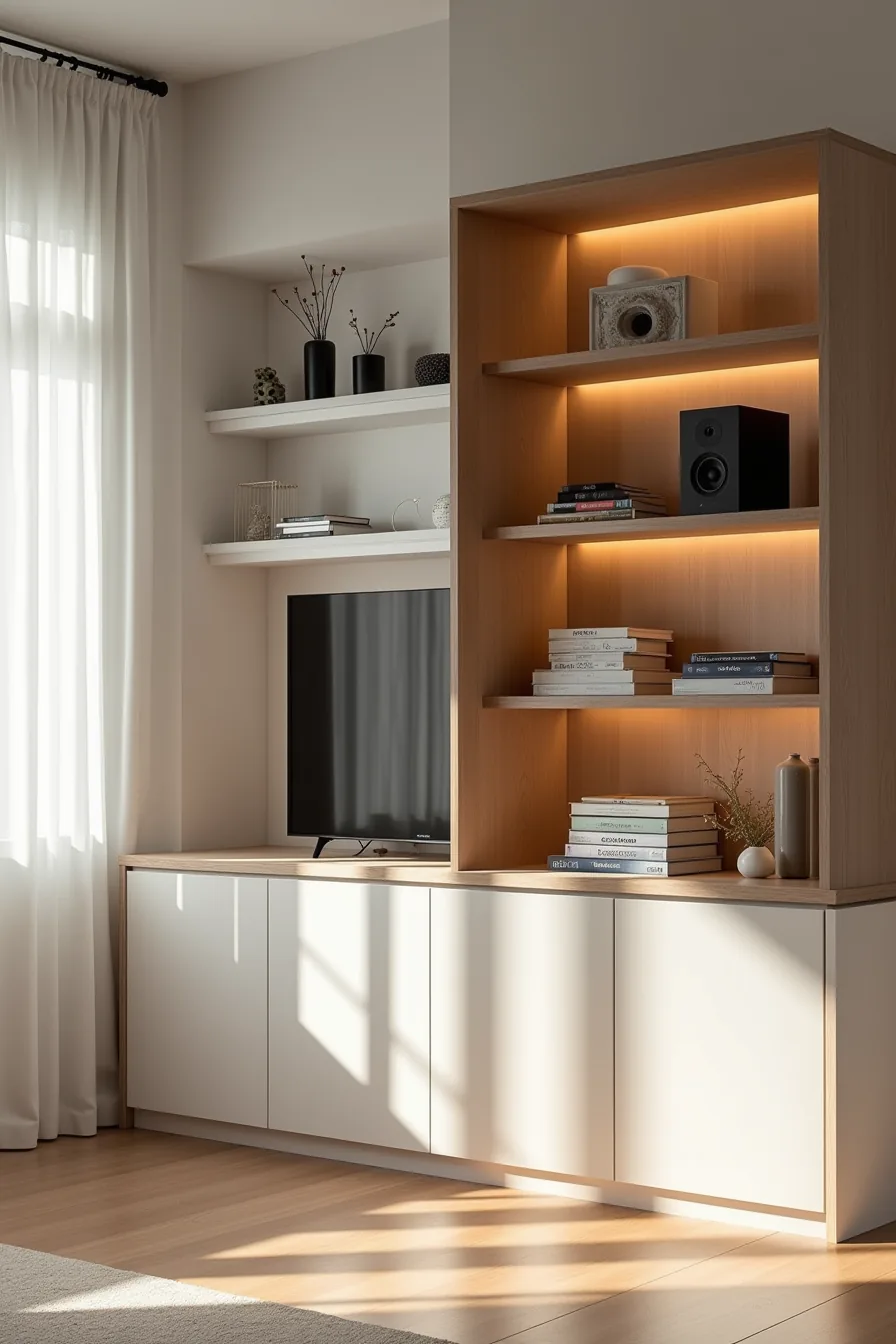
A split configuration, open shelves on one half, closed doors on the other, gives you a visible design statement without forcing you to curate every inch. The open side works for items you actually use or enjoy looking at: stacked books, a turntable, decorative objects that anchor the room’s personality. The closed side absorbs the reality of daily life: cable boxes, game consoles, spare remotes, and the inevitable tangle of charging cables you don’t want to style around.
The trade-off is maintenance. Open shelves collect dust visibly within a week in most homes, and every object on them needs a deliberate place or the look collapses into clutter. Budget one cleaning pass per week for the open section alone, and commit to a rule: nothing sits on those shelves that you haven’t touched in the past month.
The closed doors hide dust and disarray completely, but they also hide the warmth that makes a TV wall feel intentional rather than utilitarian. If you rotate decor seasonally or entertain often, lean toward more open space; if you value low upkeep and a calm visual base, flip the ratio toward closed storage. Speakers and books photograph beautifully on open shelves, just be honest about whether you’ll maintain that standard.
Materials, Color, and Maintenance for Long-Term Durability
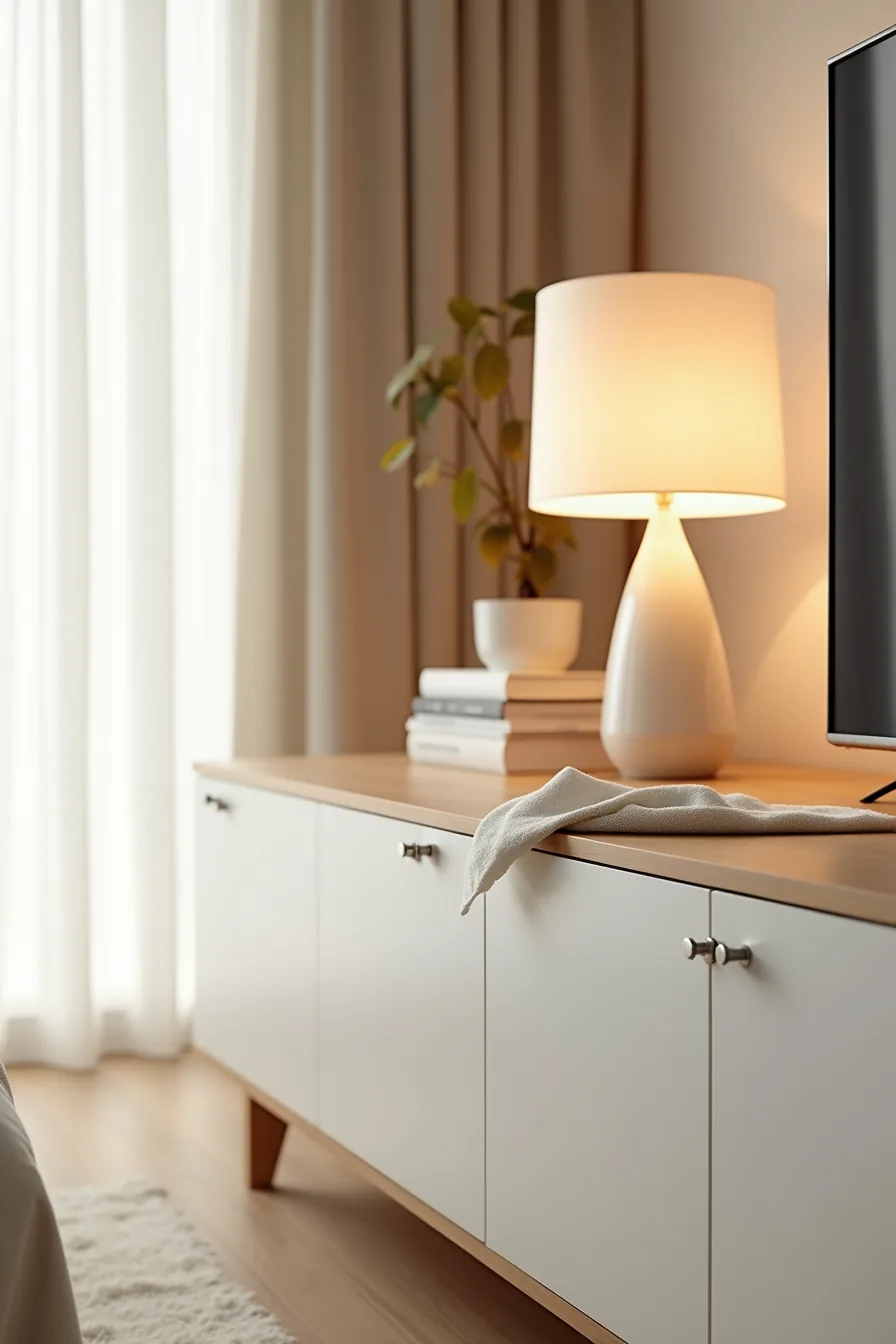
The materials you choose determine how the unit ages. Matte lacquered finishes resist fingerprints better than gloss and hide minor scuffs, but they chip more easily than veneer or solid wood, expect to touch up edges within a few years if you move the unit. Brushed metal hardware in satin nickel or matte black tolerates daily handling without showing smudges; polished chrome will demand weekly polishing to stay clean.
If you’ve children or pets, skip open-pore woods and raw concrete finishes; they absorb spills and scratch visibly.
Cable management is the difference between a modern unit and a chaotic one. Use adhesive cable clips along the back edge of the unit to route cords in straight lines, and bundle excess length with Velcro ties before tucking it behind the console. A weekly dusting with a microfiber cloth, not a feather duster, which just redistributes particles, keeps matte surfaces looking fresh.
For lacquered finishes, use a damp cloth with mild dish soap; avoid alcohol-based cleaners that strip the topcoat. Budget 10 minutes per week for surface care, and re-tighten hardware on doors and drawers twice a year to prevent sagging.
Where to start
Pick the one constraint that matters most in your room, wall space, budget, or rental rules, and let that single factor narrow your options. A floating unit suits a small living room with clear walls; a freestanding console works when you rent and want to take it with you; a built-in pays off only if you plan to stay five years or more.
Measure your TV width first, then add 12–24 inches on each side for visual balance. Sketch your layout on paper before you buy anything.
Your next step: photograph your wall, note the room’s width and ceiling height, and save those three numbers before you open any product page. That measurement set will filter out half the options instantly.
Frequently Asked Questions
Can I install a floating TV unit in a rental apartment without damaging walls?
Yes, use heavy-duty adhesive strips rated for your TV’s weight, or a freestanding console with a wall-mount bracket that clamps to the top. Both leave no holes. Avoid drywall anchors unless your landlord approves patching.
What is the ideal viewing distance from a TV unit in a modern living room?
For 4K TVs, sit 1.5 to 2.5 times the screen’s diagonal measurement away. A 55-inch screen means roughly 6.5 to 11 feet. For 1080p, double that range.
Adjust for eye level at screen center.
How do I hide cables and wires in a modern TV unit design?
Run cables through a cord cover channel attached to the wall, then into a grommet hole at the back of the console. Use a power strip with a surge protector inside the unit. For floating units, route wires through the wall with a recessed power kit.
What wood species work best for warm wood modern TV units?
Oak, walnut, and cherry offer rich, stable tones, oak is light and durable, walnut is dark and mid-priced, cherry deepens with age. Avoid soft pine for heavy TVs. For budget, use oak veneer over MDF; it resists warping and costs less than solid wood.