
A blue Persian rug is a single purchase that can anchor an entire room, but its success depends entirely on how you match its scale, pile, and pattern density to your space. The six approaches that follow break down the practical choices, from low-pile budget weaves to high-density silk investments, so you can select the version that fits your traffic, your floor size, and your maintenance tolerance. Each option includes the specific room types it suits and the trade-offs you should expect before you commit.
Key takeaways
- Balance temperature deliberately: Pair a blue Persian rug with warm wood tones and brass accents to soften the cool palette, a combination that works best in north-facing rooms lacking natural sunlight.
- Match scale to room size: In small spaces under 200 square feet, choose a rug that leaves 12–18 inches of bare floor around the perimeter; in large open layouts, extend the rug 24 inches beyond the sofa’s edges to anchor the seating zone.
- Layer with a budget-safe base: Place a low-pile, neutral jute or sisal rug underneath your Persian piece to protect it from heavy foot traffic, a renter-friendly strategy that costs 30–50% less than replacing the rug itself.
- Rotate seasonally for longevity: Flip and rotate your rug every 3–4 months to distribute wear evenly, and vacuum with a brushless suction head weekly to prevent dirt from grinding into the wool fibers.
Cool Rug Warm Wood: Balancing Temperature in Traditional Spaces
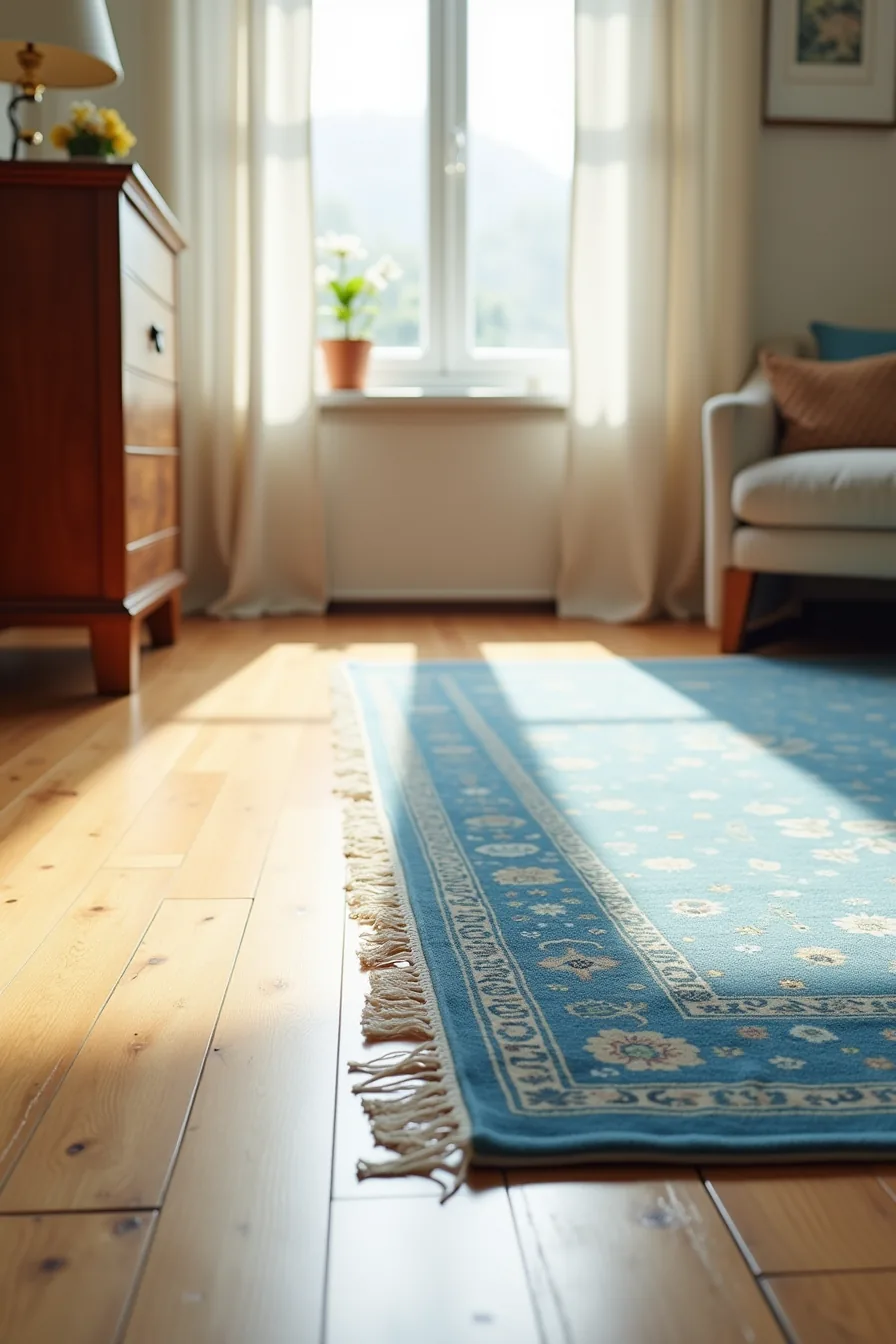
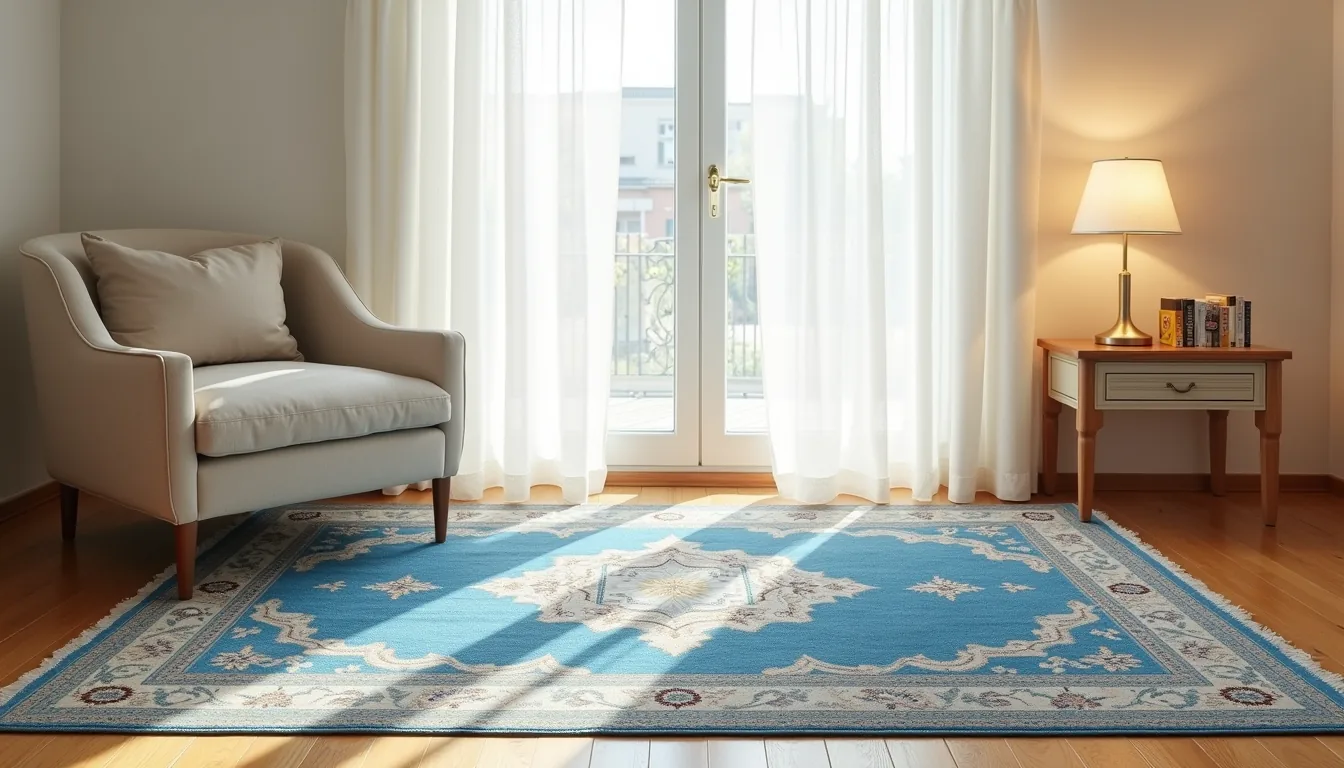
A blue Persian rug performs best against warm wood when the contrast is deliberate, not accidental. Pair a deep indigo field with oak flooring and a mahogany dresser fitted with brass hardware to create a temperature dialogue: the cool blue pulls the eye down, while the red-brown undertones in the wood keep the room from feeling sterile. The key is proportion, leave 12 to 18 inches of bare floor on all sides of the rug so the wood acts as a visual frame rather than competing with the pattern.
For a traditional bedroom, position the rug so it extends at least 18 inches beyond the bed’s sides, letting the fringe rest against the oak planks. If your wood runs orange-toned, choose a blue with gray or teal undertones; if your floors lean reddish, a navy with indigo vibes will harmonize better. Sunlight will intensify warm wood’s glow, so rotate the rug twice a year to keep fading even across the pile.
Classic vs Contemporary Room: Choosing Your Design Direction
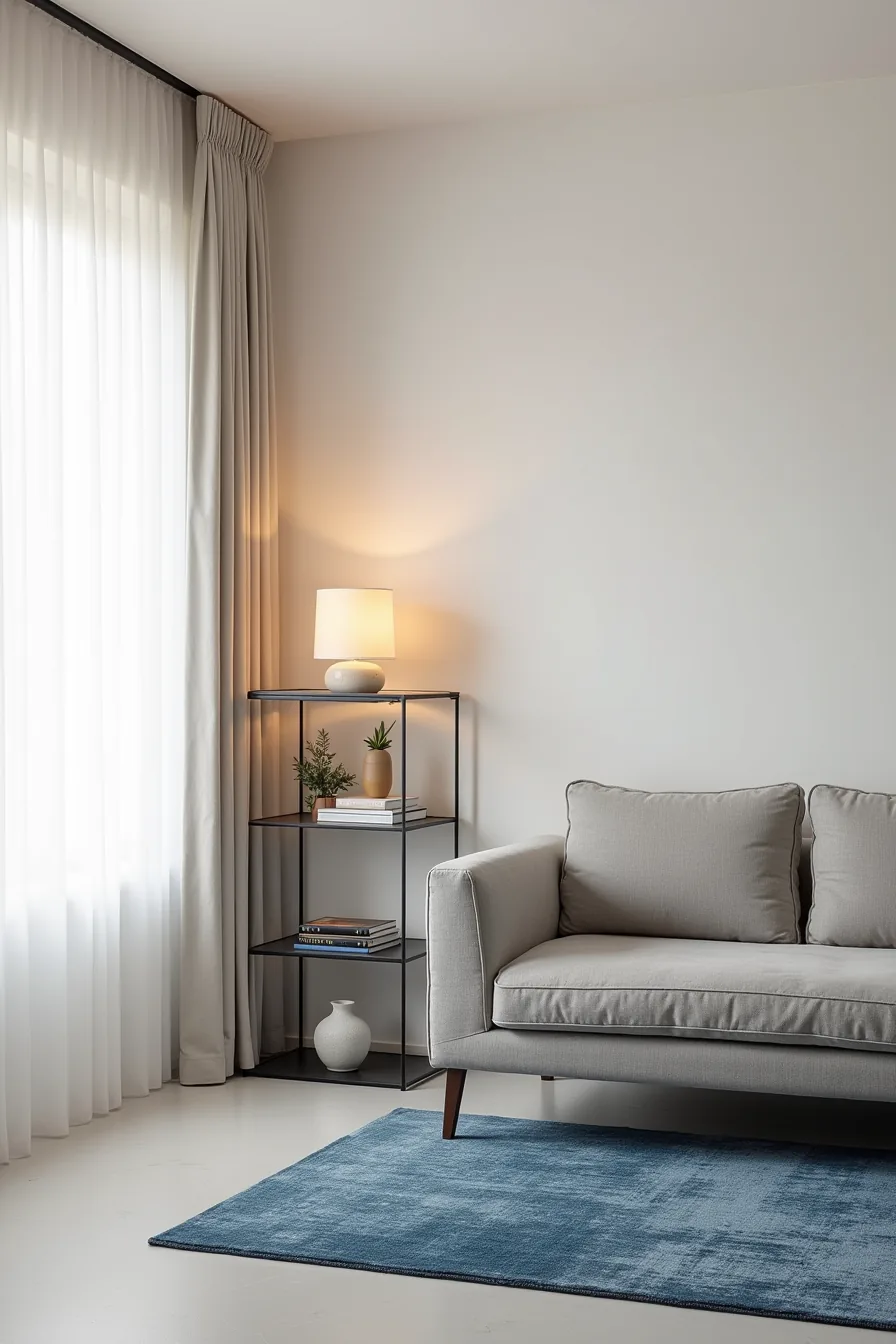
A blue Persian rug anchors a classic room when you pair it with dark wood furniture, wingback chairs, and brass lighting, the traditional motifs echo the formality of the setting. For a contemporary space, flip the script: let the rug’s intricate pattern provide the only ornament against clean-lined furniture and bare surfaces. That contrast is what makes the design work.
A modern living room on light concrete flooring demonstrates this approach effectively. The blue Persian rug carries the visual weight, while a low-profile gray linen sofa softens the palette without competing for attention. A minimalist black metal shelving unit and a single sculptural ceramic vase complete the composition, the sparse accents let the rug’s geometry shine rather than overwhelm the eye.
If your room leans traditional, choose a rug with denser patterns and warmer blues. For a classic vs contemporary room debate, the deciding factor is your furniture’s silhouette: ornate pieces call for a symmetrical traditional rug, while angular, low furniture pairs best with a more graphic or distressed pattern.
Pattern Mixing Without Overwhelm: Layering Textiles Successfully
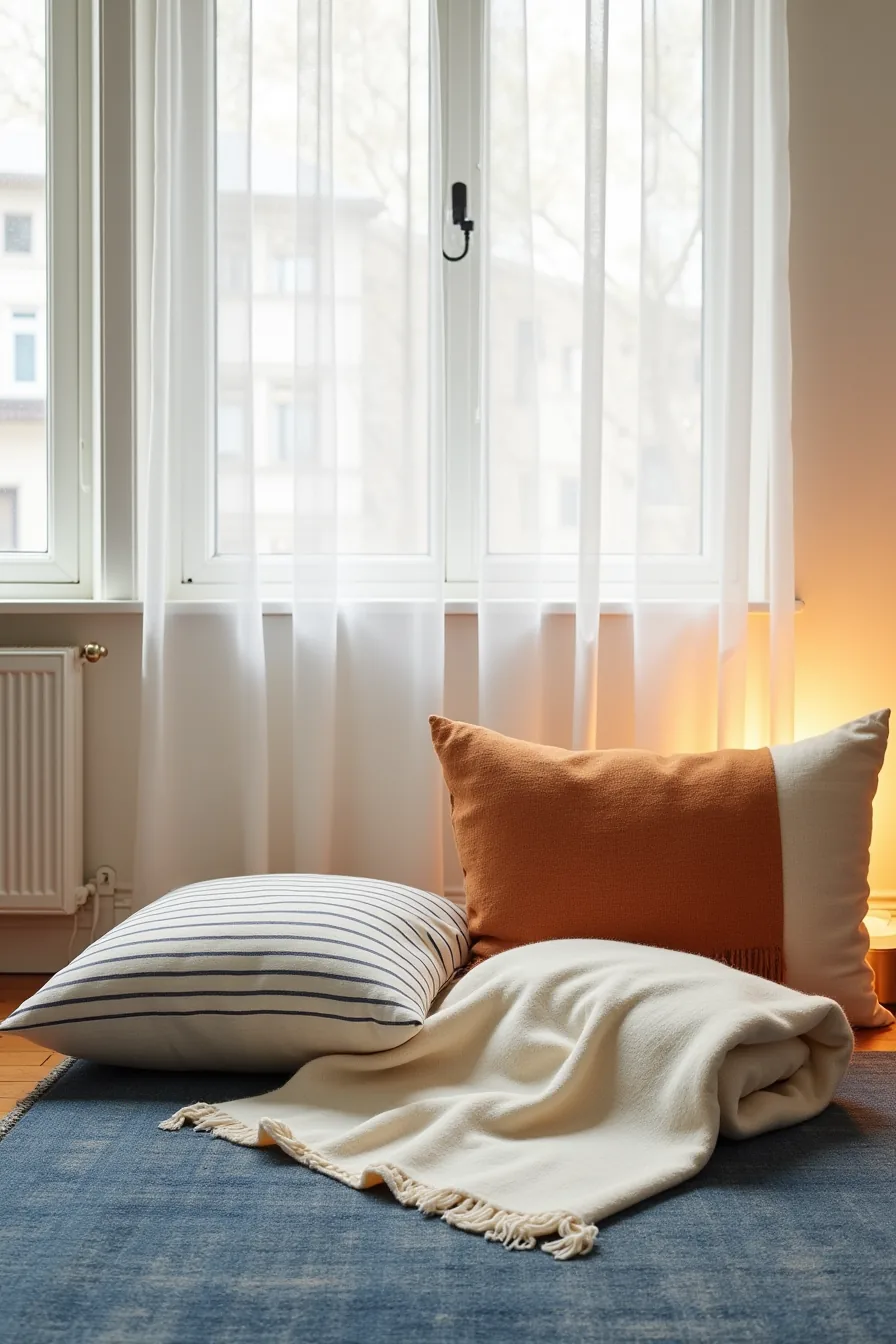
The safest route into pattern mixing is anchoring everything to the 60-30-10 color rule: let the blue Persian rug dominate the floor plane, then pull your secondary tones from the rug’s minor colors. A striped pillow cover in navy and white works because it shares the rug’s darkest hue, while a small-scale geometric fabric square introduces contrast without fighting the rug’s medallion motifs. A solid rust-colored throw and a cream wool blanket provide the visual resting points your eye needs between busier elements.
Scale hierarchy keeps the composition coherent. Reserve the rug for large-scale pattern, use medium-scale stripes on your upholstered pieces, and limit small-scale prints to accent pillows no larger than 18-20 inches. If your walls carry any wallpaper or a patterned curtain panel, drop the pillow prints entirely, three pattern layers is the practical ceiling before the room starts to feel cluttered rather than curated.
Budget, Renter, and Investment Routes: Three Paths Forward
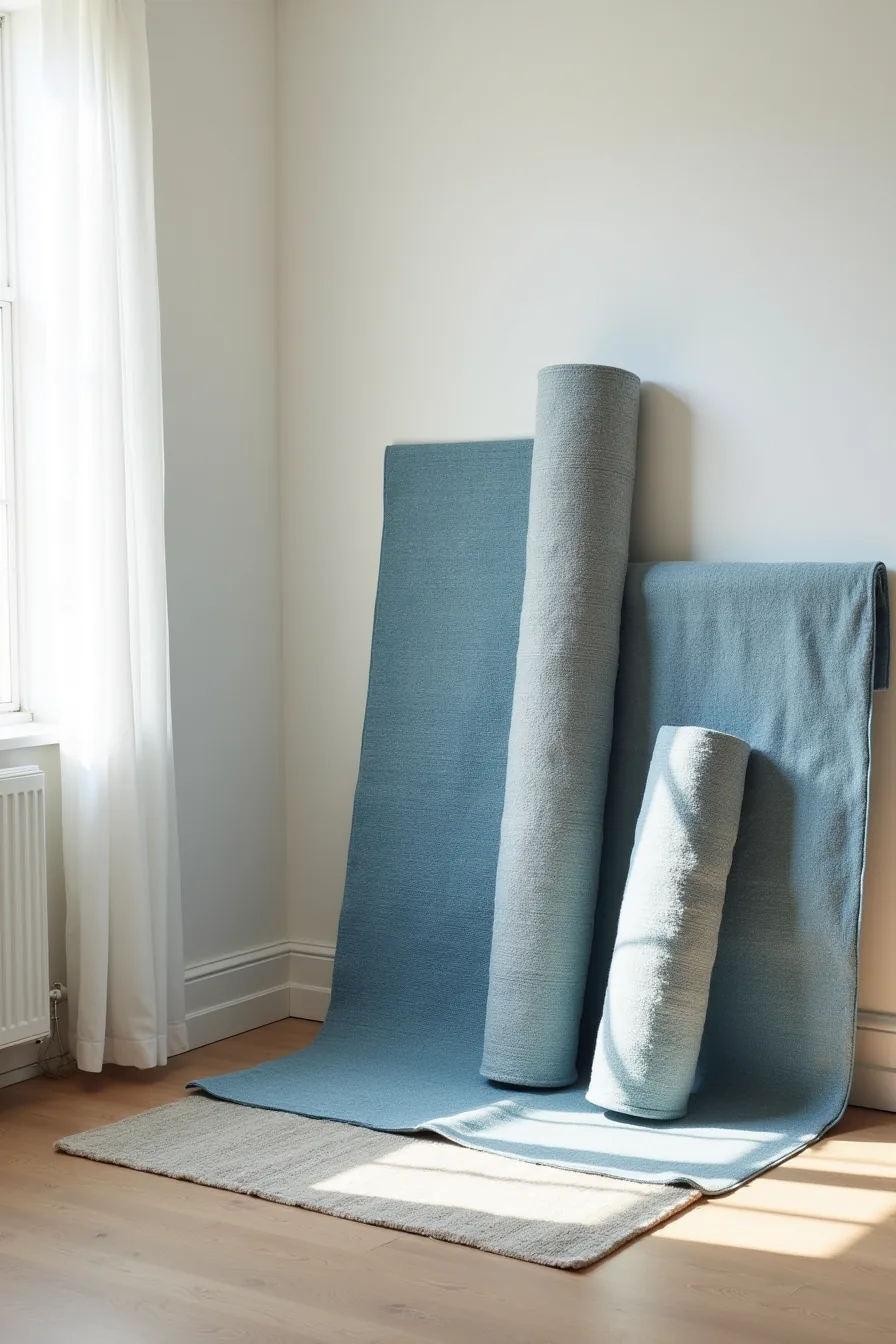
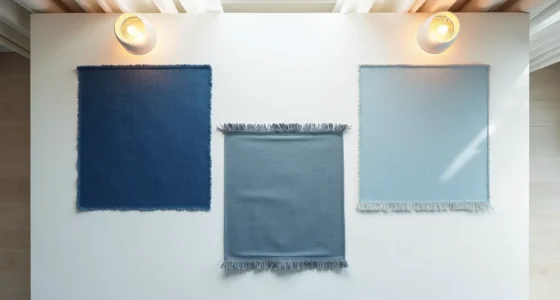
Three distinct paths exist for bringing blue into your space, and the right one depends on your timeline and floor plan. A thin synthetic blue rug gives you the cheapest entry point, expect $1.50–$4.00 per square foot, with a lifespan of 2–4 years before fibers flatten along high-traffic lanes. Pick this if you’re testing whether deep blue works with your existing furniture or if your layout changes every lease cycle.
A medium-weight semi-antique blue rug splits the difference at roughly $6–$12 per square foot, offering a faded, pre-worn look that forgives spills and hides pet hair. This route suits renters because it lies flat without padding, rolls up for a single-trip move, and delivers visual depth without the commitment of a custom piece.
The dense hand-knotted wool blue rug represents the long-term play: $15–$40 per square foot, lasting 20–50 years with proper care. Wool’s natural lanolin repels stains, and the tight knot count means the pattern stays crisp under heavy furniture. You’re paying for repairability, fringe replacement and reweaving are viable decades in, plus a resale value that synthetic or semi-antique options will never approach.
Choose this only when you own the floor beneath it.
Blue Persian Rugs for Cozy Autumn Living Rooms: Seasonal Styling
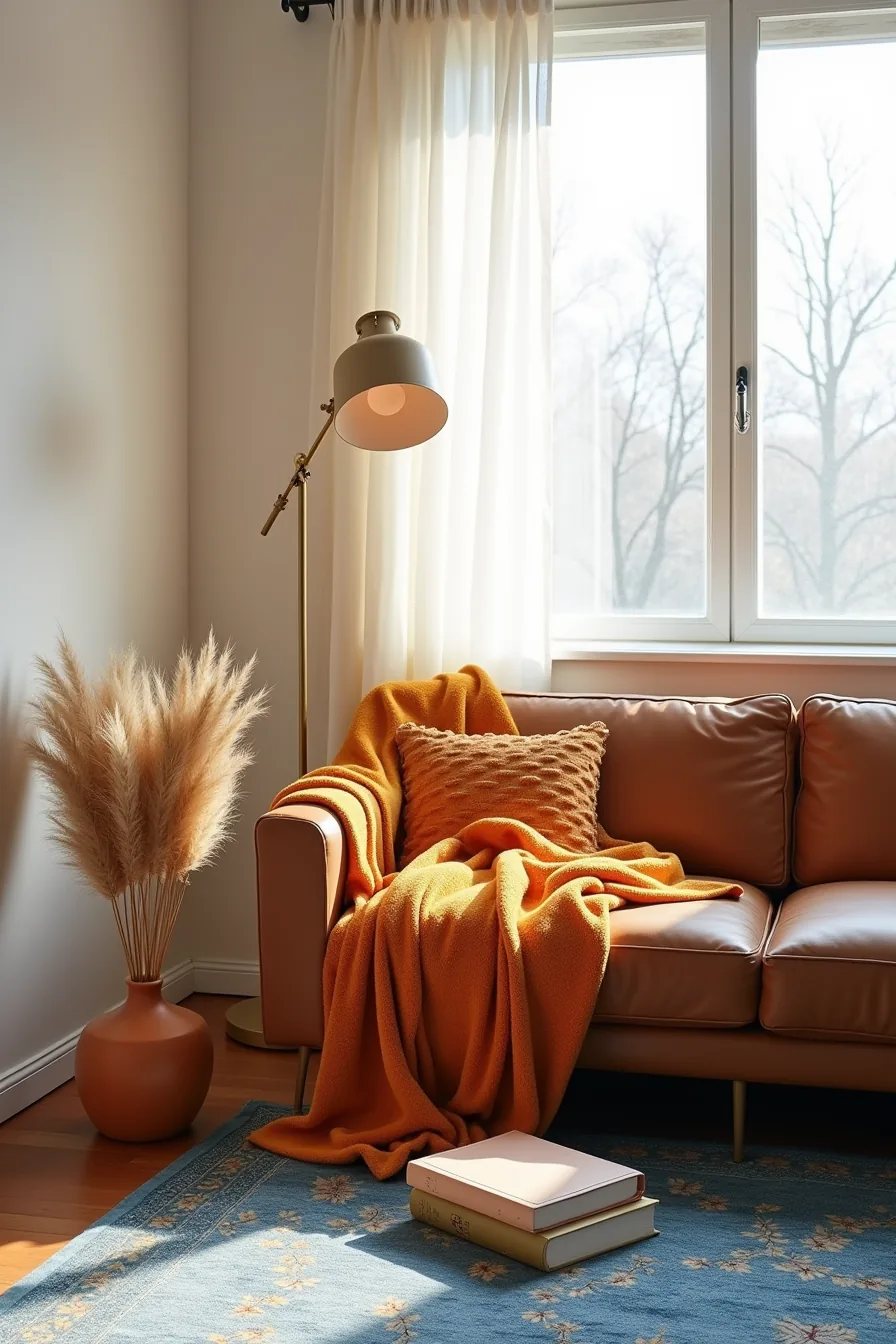
Autumn styling hinges on contrast, the cool, deep blues in a Persian rug make warm textures read richer. Drape a burnt-orange wool throw over a cognac leather sofa placed on the rug’s edge; the leather’s patina and the throw’s nubby weave pull out the indigo and sapphire tones in the carpet’s field. A terra-cotta ceramic pot beside a dried pampas grass bundle introduces matte earthiness, breaking up the rug’s geometric repetition without competing for attention.
The lighting does the heavy lifting. Aim for a single warm lamp at 2700K rather than overhead fixtures; the low angle casts shadows across the rug’s pile, making the knot texture visible and deepening the navy areas to near-black. For small living rooms, keep the rug’s front edge 6–10 inches from the sofa legs and let the pampas grass rise 24–30 inches to draw the eye upward.
In larger spaces, extend the rug 18–24 inches beyond the sofa’s sides so the warm textiles feel anchored rather than floating. Swap the throw for a chunky knit in rust or ochre as the season progresses, the rug stays constant while the layering rotates.
Sizing, Placement, and Maintenance Across Room Dimensions
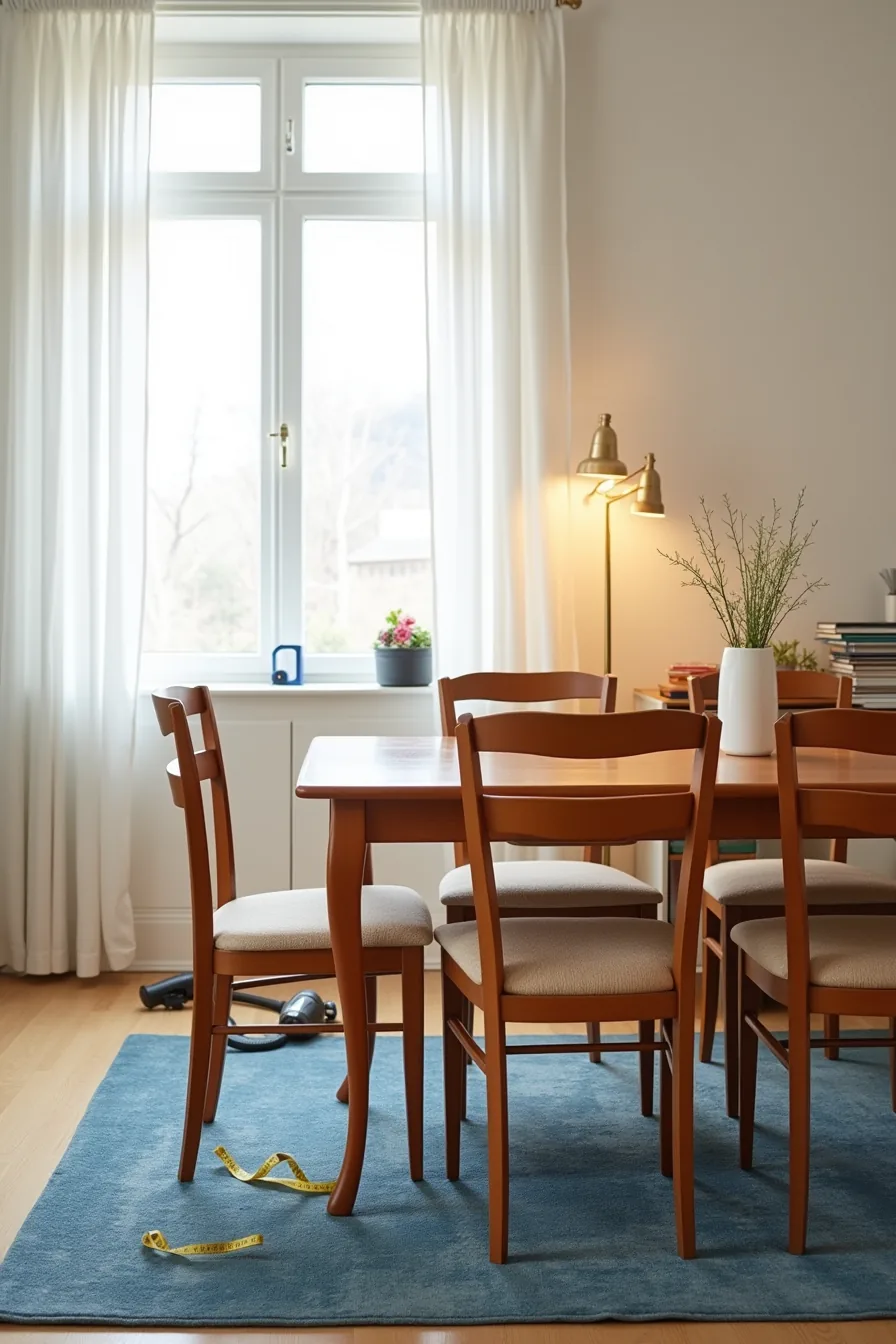
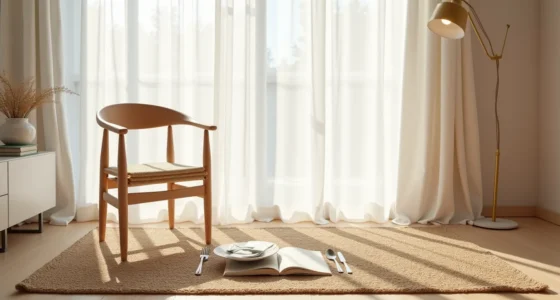
A dining room setup like the one with a wooden table, four chairs, vacuum cleaner, and coiled measuring tape follows a strict rule: the rug must extend at least 24 inches beyond the table’s edge on every side. That clearance lets all four chair legs stay on the rug even when pulled back, preventing the front legs from catching the edge and tipping. For a standard 6-foot table, that means a 9×12 rug minimum, measure your table’s length and add 48 inches to both dimensions before you buy.
Small dining nooks under 10 feet wide should drop to an 8×10 and accept that chairs will sit partially off the rug when unoccupied. Medium rooms (10–14 feet) can handle a 9×12 footprint, while large open-plan spaces benefit from a 10×14 that anchors the entire zone. Wool rugs like most Persians shed visibly for the first three to six weeks, vacuum weekly with a beater bar, then switch to suction-only to protect the pile.
Spot-clean spills immediately with cold water and a clean cloth, never rubbing; synthetic blends tolerate steam cleaning, but hand-knotted wool requires professional washing every two to three years to prevent fiber breakdown.
Your first move
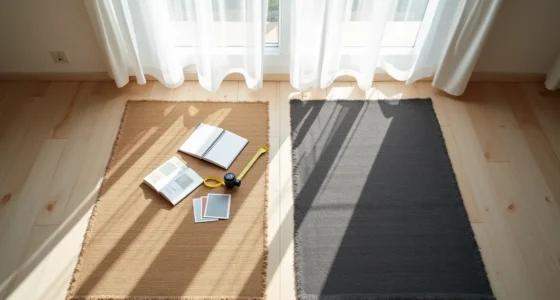
Before you buy anything, measure your room and tape out the rug’s footprint on the floor. This 10-minute step prevents the most common mistake: a rug that looks perfect online but floats awkwardly in your space.
If your room is under 200 square feet, skip the 9×12 and commit to a 5×8 or 6×9 with at least two front furniture legs on it. Larger rooms can handle an 8×10 or 10×14, but keep 18-24 inches of bare floor visible at the perimeter.
Order two samples, one low-cost synthetic and one wool, and live with them for a week. Wool wears better but sheds; synthetics hold color but can feel flat. Your decision hinges on foot traffic, pets, and whether you can tolerate vacuuming more often.
Once your sample passes the week-long test, purchase from a vendor with a 30-day return policy. Measure twice, order once.
Frequently Asked Questions
What size blue Persian rug do I need for a small bedroom?
For a small bedroom, choose a 5×8 runner or a 4×6 rug placed under the lower two-thirds of the bed. Leave 18–24 inches of bare floor on each side to avoid crowding.
Can I use a blue Persian rug in a modern minimalist space?
Yes. Select a rug with a muted, low-contrast pattern and a solid navy field. Pair it with clean-lined furniture and neutral walls.
Keep accessories sparse so the rug becomes the sole focal point.
How often should I clean a wool blue Persian rug?
Vacuum weekly, flip it twice a year, and deep-clean professionally every 12–18 months. Spot-clean spills immediately with a dry cloth and mild detergent. Avoid steam cleaning, which can shrink or distort the wool.
Are synthetic blue Persian rugs a good alternative to authentic wool?
Synthetics like polypropylene are budget-friendly, stain-resistant, and easier to maintain, but they lack wool’s durability and natural luster. Choose them for high-traffic areas or rentals. Invest in wool if you want a heirloom piece that lasts decades.