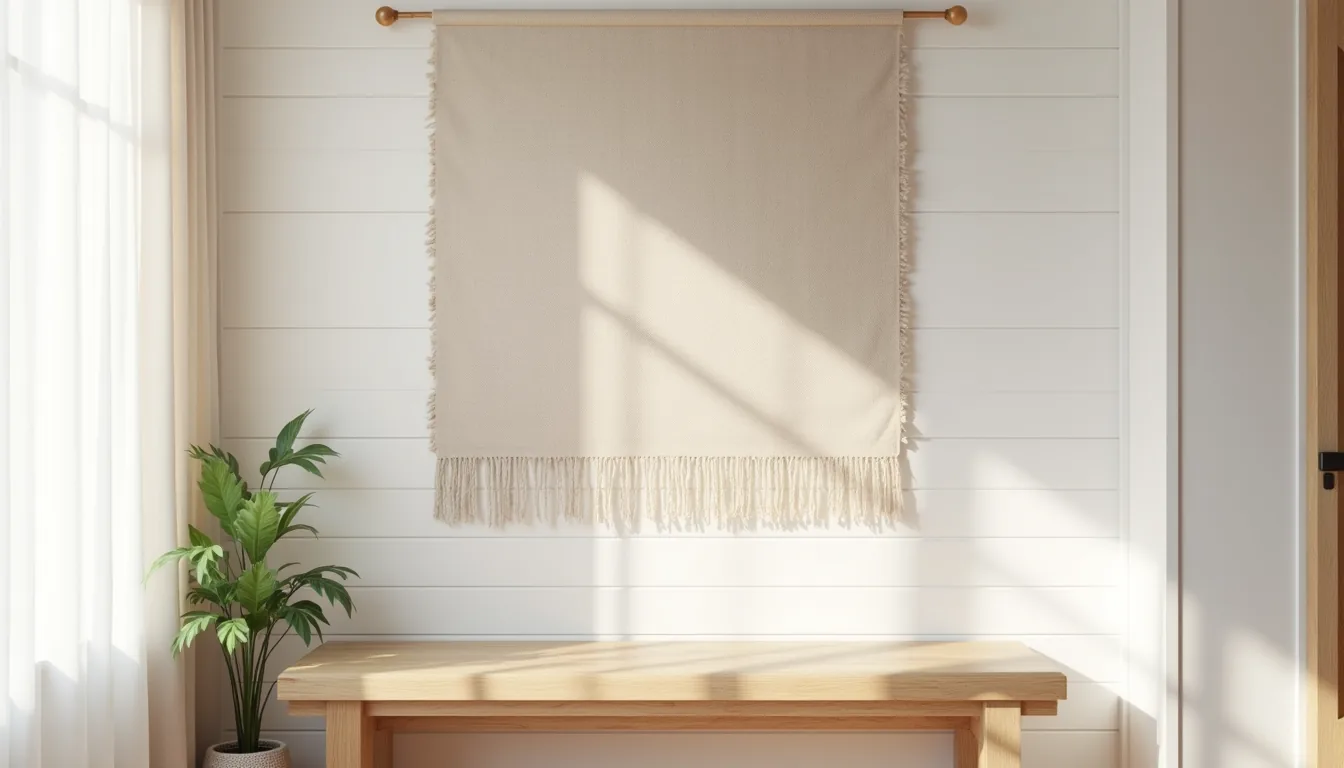
A wall rug is simply a textile hung vertically to function as art, insulation, or an acoustic buffer, and the practical difference between a good installation and a bad one comes down to mounting hardware, fabric weight, and placement, not style. For you, that means the decision isn’t about picking a pretty pattern; it’s about matching the rug’s construction to your wall type, your room’s traffic, and your lease agreement. Six distinct approaches follow, ranging from a $30 canvas drop-cloth solution to a museum-grade mix rod system, each with the specific load limits and maintenance routines you need to replicate them safely.
Key takeaways
- Textile wall art absorbs sound and softens hard surfaces, making it a functional upgrade in echo-prone rooms with wood or tile floors.
- A boho wall rug works best when layered over a neutral backdrop with varied textures, but requires a low-pile or woven piece to avoid visual clutter.
- Scale your rug to 40–60% of the wall’s width for medium rooms, shrinking to 30–40% in small spaces and expanding to 60–75% in large ones.
- For renters, use removable adhesive hooks or a tension rod to hang lightweight rugs under 10 pounds, avoiding wall damage and enabling easy seasonal swaps.
Why Textile Wall Art Works as a Functional Solution
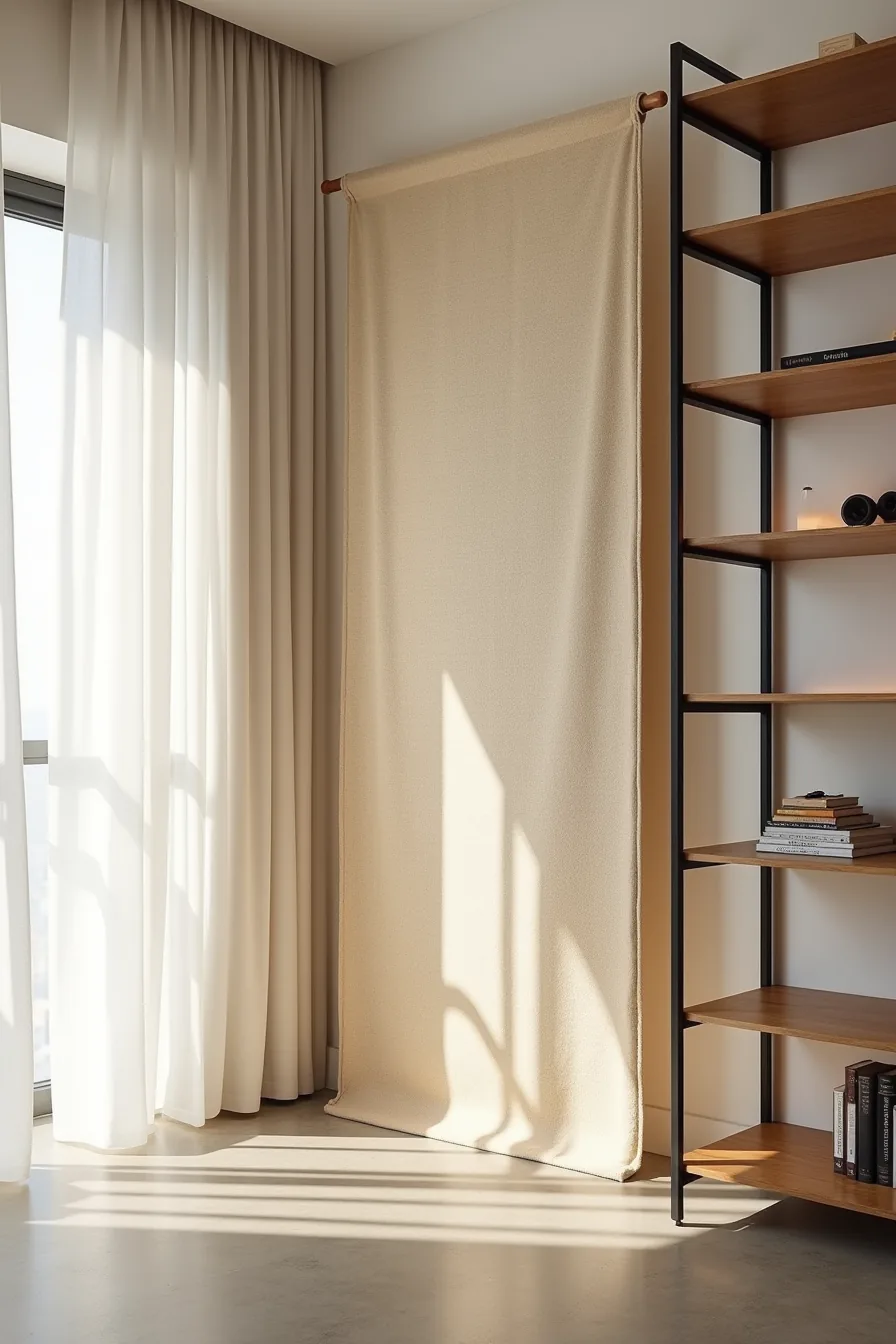
A wall rug does more than decorate, it changes how a room performs. Woven textiles absorb mid-range frequencies that hard surfaces reflect, so placing one between a concrete floor and a metal shelving unit cuts echo noticeably in rooms with minimal soft furnishings. The acoustic foam visible behind your textile weave boosts that effect, but even without it, a dense wool or cotton rug traps enough sound to soften a workspace or entryway.
The same construction that deadens noise also insulates. A wall rug adds a thermal buffer to drywall, which matters in rooms with poor climate control or large windows. Unlike a framed painting or a flat-weave wall hanging, a rug carries actual pile depth, giving you sound absorption, warmth, and visual texture from a single installation.
The key hardware requirement is straightforward: use two to four heavy-duty wall anchors rated for at least double the rug’s weight, since woven pieces pull harder on their mount than their dry weight suggests.
Boho Wall Rug Styling for Warm, Layered Interiors
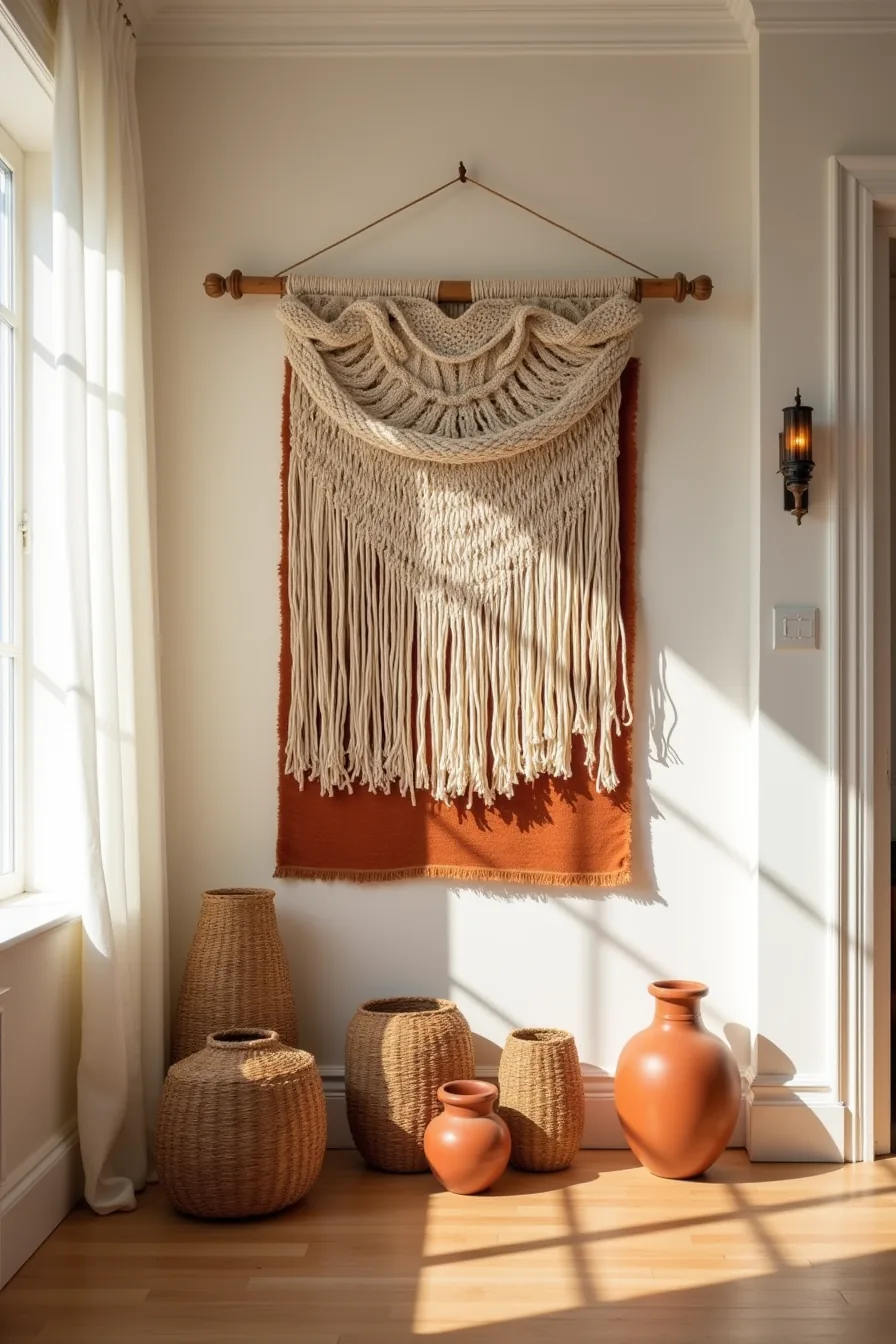
The boho approach treats a wall rug as the foundation of a textured collage rather than a standalone focal point. In a room with cream plaster walls, layer an oversized macramé hanging over a rust-colored kilim rug, the contrast between the open-knot macramé and the dense, flat-woven kilim creates depth without clashing patterns. Anchor the composition visually by placing terracotta pottery and woven baskets on the wooden floor below; repeating the rug’s earthy tones in these objects pulls the entire wall arrangement into the room’s existing palette.
This styling suits living rooms and bedrooms that already lean warm, with natural wood furniture or leather accents. Stick to a palette of terracotta, ochre, cream, and muted clay tones, limit yourself to three colors to keep the layered textiles from visually cluttering the wall. The key trade-off: macramé collects dust in its crevices, so budget for a gentle vacuum with a brush attachment every two to three weeks.
For a boho vs modern styling decision, if your room has black metal frames or cool gray tones, skip this approach and opt for a flat-weave piece in a single muted color instead.
Modern Minimalist Wall Rug Placement
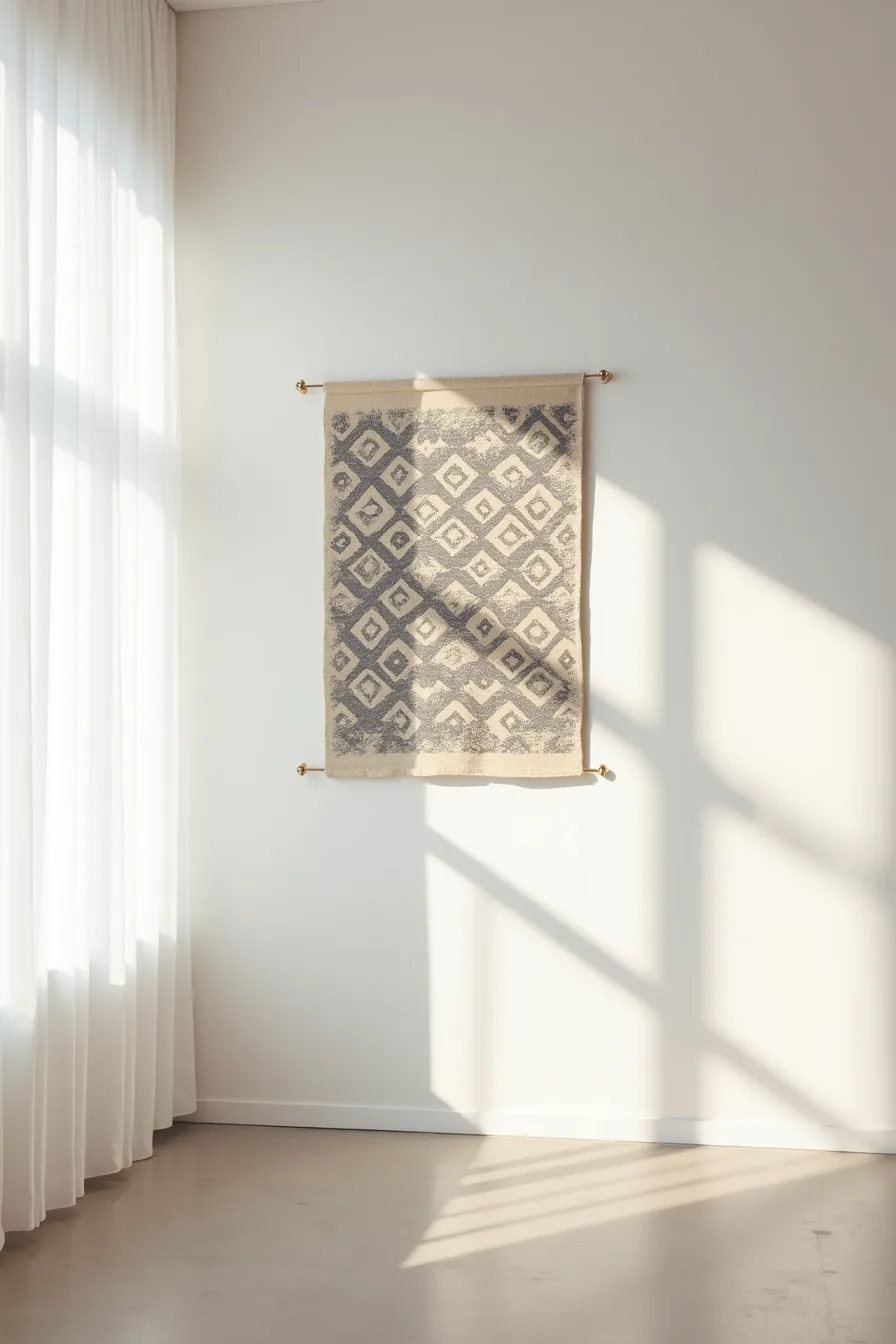
A single geometric wall rug in charcoal and cream transforms a white gallery wall into a composed focal point without competing with the artwork around it. Mount the textile with a chrome wall-mounted bracket positioned at eye level, roughly 57 to 60 inches from the floor to the rug’s center, matching standard gallery height. The polished concrete floor and stark surrounding space let the rug read as intentional sculpture rather than decoration.
This approach works best in open-plan living areas, entryways, or home offices where visual noise is already high. The graphic pattern adds architectural interest without introducing color that might clash with existing furniture. Neutral palettes, charcoal, off-white, warm taupe, or muted slate, ensure the rug functions as a large wall solution that bridges both art and utility.
Choose a flat-weave wool or cotton piece with a tight, low profile; high-pile textiles cast distracting shadows in directional lighting. Vacuum monthly with a soft brush attachment and rotate the rug seasonally to prevent uneven fading on one side.
Scaling Wall Rugs for Small, Medium, and Large Rooms
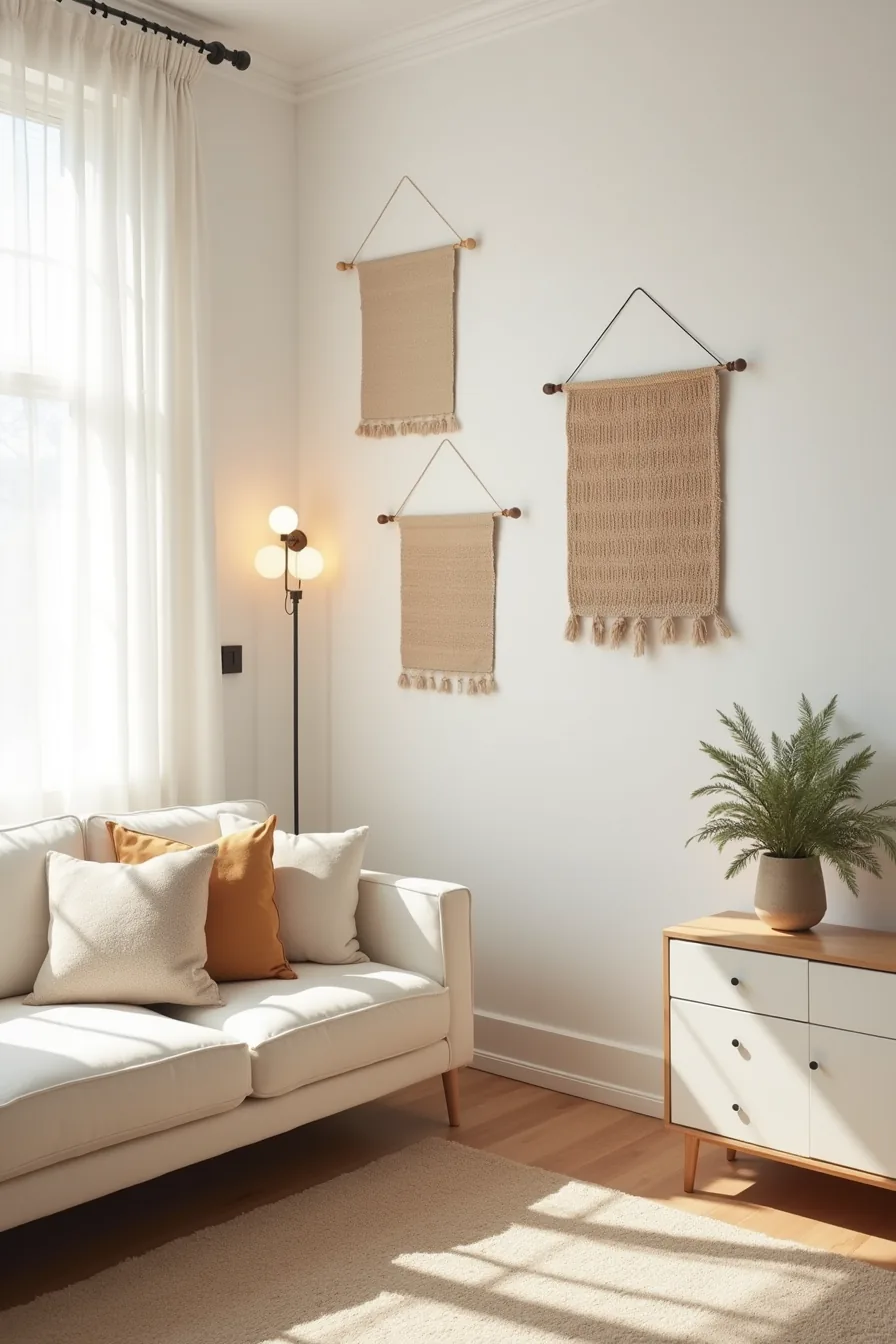
Proportion dictates whether a wall rug anchors a space or gets lost in it. In a compact home office, a 2×3-foot textile mounted above a desk occupies roughly the width of the monitor setup below, creating a deliberate backdrop without stealing floor area. Leave 6 to 8 inches of clearance between the rug’s bottom edge and the desk surface to keep the composition visually connected but functional.
For a medium living room, a 4×6-foot rug above a sofa should span between half and two-thirds of the sofa’s length. Centering it at 57 to 60 inches from the floor to the rug’s midpoint aligns with standard sightlines, while the white walls in a typical setup let the piece breathe rather than crowd the seating zone.
Large rooms demand scale that holds its own. A 6×9-foot wall rug anchoring the opposite wall from the sofa grounds the far end of the space, especially when the floor below stays bare or minimally furnished. Match the rug’s width to the furniture piece beneath it, never narrower, and keep 18 to 24 inches of wall visible on each side to preserve architectural balance.
Budget, Renter-Friendly, and Investment Wall Rug Routes
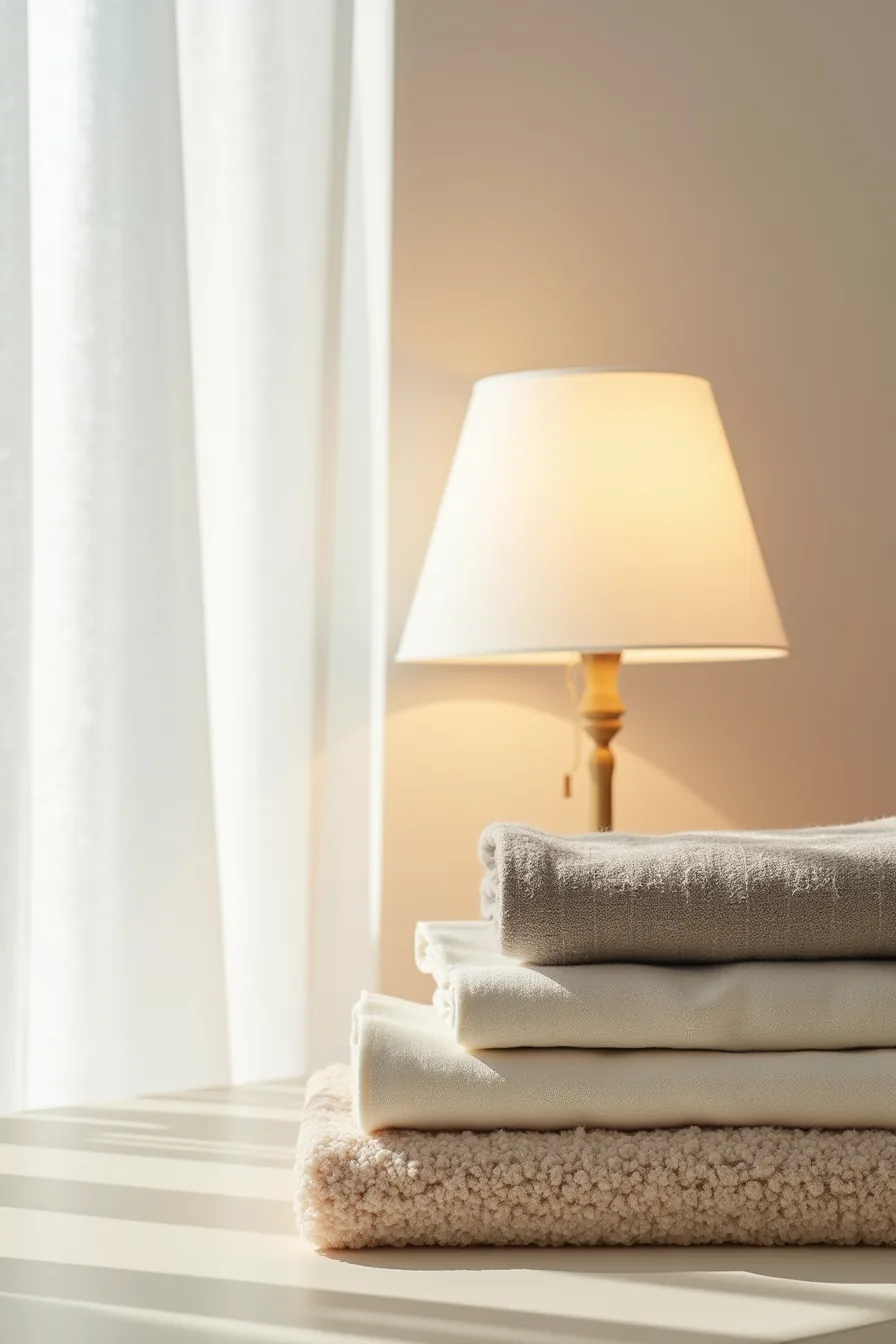
Your commitment level dictates both material and mounting. A synthetic flatweave with adhesive strips suits a first apartment or a temporary home office refresh, expect it to last 2 to 3 years before the backing degrades, and budget roughly $30 to $80 for a 3×5-foot piece. Adhesive strips release cleanly from painted drywall when you pull them parallel to the wall, making this the lowest-risk route for a security deposit.
A cotton dhurrie hung with a tension rod splits the difference for renters who want texture without permanent hardware. The rod sits inside the window or door frame, leaving walls untouched, and the flat weave resists sagging better than a plush pile. Expect $80 to $200 for a 4×6-foot dhurrie, and swap it seasonally to change the room’s warmth.
A hand-knotted wool piece with a permanent hanging system is the long-term play. The wool’s natural lanolin repels dust, and the knot density keeps the textile flat against the wall, so it reads as art rather than an afterthought. Prices start around $400 for a 3×5-foot piece and climb with knot count, justify it because a proper rug hook or a French cleat system lets you rotate it back to the floor years later without damage.
Installation, Maintenance, and Seasonal Rotation
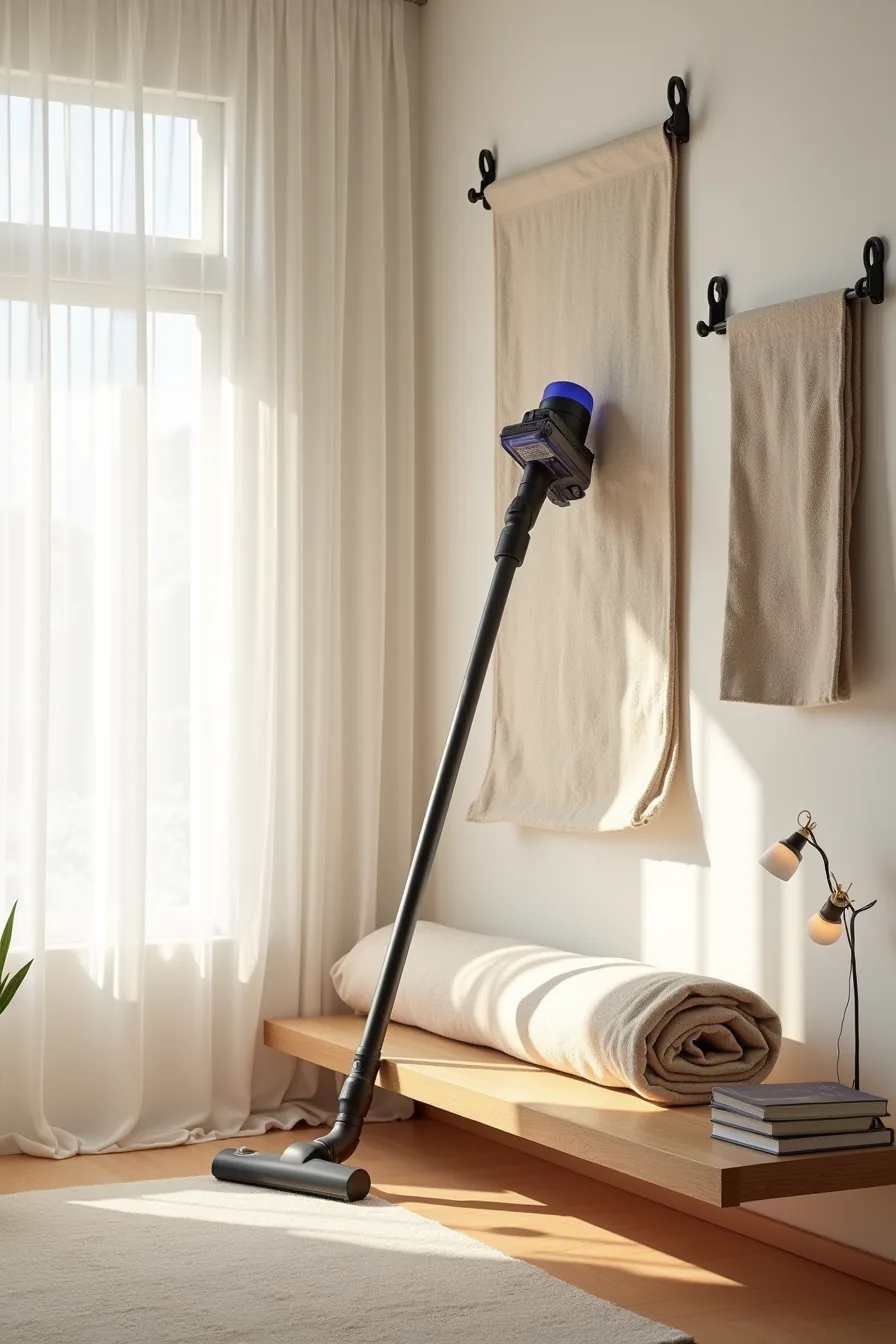
Mounting hardware determines how much damage you risk. A French cleat system distributes weight across two wall studs, supporting rugs up to 40 pounds safely, while a rug hook plate holds lighter flatweaves with a single centered screw. For a 6×9-foot piece, always anchor at both top corners and the center, three points prevent the textile from bowing away from the wall over time.
Vacuum monthly with a brush attachment, moving in the pile’s direction to lift dust without pulling fibers. Spot-clean spills immediately with a dry cloth and mild detergent; never scrub, as that spreads the stain and breaks the weave. Once a year, take the rug down, shake it outdoors, and inspect the backing for mold or insect activity before rehanging.
Rotate your display seasonally to distribute light exposure and prevent fading on one edge. Roll the off-season textile with the pile facing inward, wrap it in a breathable cotton bag, and store it on a wooden shelf, never plastic, which traps moisture. When reinstalling, alternate the hanging orientation so the same side doesn’t face the window year-round.
Your First Move
Start with the space you already have, not the rug you think you want. Measure your wall and sketch the furniture arrangement beneath it so you know exactly how much visual weight the surface can carry before you browse a single listing.
Choose one route from the six above based on your timeline and budget: a removable textile for rented walls, a woven piece for a layered living room, or a framed carpet for a permanent installation. Then commit to a single material and color family, order a sample, and tape it to the wall for 48 hours to test it against your lighting.
That sample test takes ten minutes and saves you from hanging something you’ll regret. Do that today.
Frequently Asked Questions
Can you hang a regular floor rug on a wall, and will it damage the wall?
Yes, you can. Use a curtain rod through a sleeve or heavy-duty picture hooks with wire. Damage depends on mounting method, screws leave holes, while adhesive strips weaken with heavy rugs.
Always patch and repaint before moving out.
What’s the difference between a wall rug and a mix, and which is better for renters?
A wall rug is typically woven, thicker, and heavier, offering insulation and texture. A mix is lighter, often printed, and easier to hang with pins or rods. Renters should choose tapestries or thin flat-weave rugs to minimize wall damage.
How do you prevent a wall rug from fading, dust accumulation, or moth damage?
Rotate the rug seasonally and keep it out of direct sunlight to prevent fading. Vacuum weekly with a brush attachment and use a lint roller monthly. For moths, spray with a natural cedar or lavender solution quarterly and inspect the backing regularly.
What size wall rug should I choose for a 10×12 bedroom or a living room with 12-foot ceilings?
For a 10×12 bedroom, choose a rug that covers 60–70% of the wall, roughly 5×7 or 6×8 feet. For 12-foot ceilings, aim for a 6×9 or 8×10 rug centered on the main wall, leaving 12–18 inches of bare wall around it.